
By Ulysses Cornelius. Educational market analysis, not financial advice. Source context is current as of 12:10 p.m. ET on September 3, 2026.
TL;DR
- Tyson Foods shares were down about 8% in early Thursday trading after the company cut its fiscal 2026 profit and sales outlook for the second time in a month.
- Adjusted operating income is now expected at $1.85 billion to $2.05 billion, down from the $2.1 billion to $2.3 billion range issued on August 3.
- The beef segment is the main pressure point. Tyson now expects an adjusted segment loss of $625 million to $775 million as cattle scarcity and volatile prices squeeze processing margins.
- TSN stock traders should test whether the opening selloff holds. Livestock futures traders should watch cattle prices and processing spreads for evidence that the pressure is easing.
Why Tyson Foods stock is down today comes down to a second guidance cut and a much worse outlook for beef. Tyson filed the revision before Thursday's open, and the shares fell about 8% in early trading, according to CNBC. The update gives traders a clean event window, but the first decline still needs confirmation from price, volume, and the next company update.
Why Tyson Foods stock is down today
Tyson's September 3 SEC filing lowered expected fiscal 2026 revenue growth to 1.5% to 2.0%. The August forecast had called for growth of 2.5% to 3.5%. The company also cut its adjusted operating income range by $250 million at both ends.
The revision was concentrated in beef. Tyson expects an adjusted beef operating loss of $625 million to $775 million for the year. Management cited one of the most severe cattle shortages in U.S. history, volatile cattle prices, and a decline in the value of live cattle inventories.
CNBC's report said the shares were down about 8% in early trading. Bloomberg also reported that Tyson had cut its annual outlook again as the beef segment deteriorated.
Why the beef business is under pressure
Meatpackers buy cattle and sell processed beef. Their margin depends partly on the spread between livestock costs and the value of the meat they can sell. A smaller U.S. herd has reduced the supply of cattle available to processors, which can keep input costs high even when consumer demand is cautious.
Tyson said falling cattle prices create another accounting pressure because they lower the value of live cattle inventories. At the same time, weaker foodservice demand makes it harder to pass costs through. The company described consumer spending outside the home as more cautious.
Tyson is restructuring its beef network around three facilities in the central United States. Management expects those changes to begin lowering operating costs in fiscal 2027. That timing matters because the revised outlook concerns the current fiscal year. The planned savings do not erase the near-term loss.
The rest of the portfolio offers some support. Tyson maintained its prior outlook for Prepared Foods and International. It also expects adjusted chicken operating income of $1.85 billion to $1.95 billion. Diversification reduces dependence on beef, though Thursday's price reaction shows that investors still see the beef loss as material.
Implications for stock and futures traders
TSN traders should distinguish a gap lower from sustained price acceptance below the prior range. An opening drop can reflect thin premarket liquidity and stop orders. A close near the session low on heavy volume would offer stronger evidence that investors have reset earnings expectations.
Livestock futures traders can use Tyson's warning as company evidence about the cattle cycle, not as a direct trading signal. Live cattle and feeder cattle prices affect packer costs differently. Beef wholesale values and cattle prices together provide a better view of the processing spread than either market alone.
Broader stock-index traders should treat this as a company and food-industry event unless weakness spreads. TSN belongs to the S&P 500, but its weight is small. A larger index effect would require similar warnings from other food producers or a wider change in consumer demand.
ChartDojo replay exercise: score the guidance-cut gap
Load a five-minute TSN replay that starts 30 minutes before the September 3 open. Hide every later candle. Mark the premarket high and low, the previous close, and the first five-minute range.
- Before advancing the chart, write the confirmed facts from the filing and one level that would invalidate a continuation setup.
- At 9:35 a.m. ET, record whether price is outside the premarket range and whether volume is unusually high for the first bar.
- At 10:00 a.m., compare TSN with a consumer-staples benchmark. Give one point if TSN still shows clear relative weakness.
- At noon, score discipline separately from profit or loss. Award one point each for waiting, defining risk in advance, checking relative performance, and respecting the invalidation level.
The exercise tests whether the market accepts the new information after the opening rush. For more practice structure, review bar replay versus forward testing and the guide to position sizing with paper trading.
Potential positives vs negatives
Potential positives
- Tyson's chicken, Prepared Foods, and International businesses could offset part of the beef loss.
- The beef network restructuring may reduce costs as fiscal 2027 begins.
- A larger cattle supply over time could improve plant utilization and processing economics.
- A stock-price gap that quickly recovers would show that the new outlook was already partly priced in.
Potential negatives
- This is Tyson's second outlook reduction within a month, which can weaken confidence in near-term forecasts.
- The beef loss may land near the worse end of the new range if cattle scarcity persists.
- Consumer caution in foodservice could limit Tyson's ability to offset higher costs with pricing.
- Further plant changes may produce restructuring costs before the expected savings arrive.
What could happen from here
Base scenario
TSN holds below its pre-announcement range while analysts lower fiscal 2026 estimates. This path gains support if rebounds fail near the opening range and volume remains elevated. A recovery above the premarket high would weaken it.
Upside scenario
Buyers decide the 8% decline discounts most of the beef damage. A move back through the opening range, followed by improving relative performance against consumer staples, would support this view. Another guidance reduction would invalidate it.
Downside scenario
Investors focus on forecast reliability and the risk that beef losses continue into fiscal 2027. A close near the session low, heavy selling volume, and cautious analyst revisions would confirm the pressure. Evidence of improving cattle spreads or faster cost savings would weaken this case.
What traders should watch next
- Whether TSN holds the September 3 opening range into the close.
- Changes to analyst estimates after the new $1.85 billion to $2.05 billion adjusted operating income forecast.
- Live cattle prices, wholesale beef values, and comments from other large meatpackers.
- Tyson's September 10 conference appearance, when incoming CEO Jeff Schomburger and CFO Curt Calaway are scheduled to speak.
FAQ
How much did Tyson cut its profit outlook?
The company lowered its fiscal 2026 adjusted operating income range to $1.85 billion to $2.05 billion. The previous range was $2.1 billion to $2.3 billion, so both ends fell by $250 million.
Why can lower cattle prices hurt Tyson?
Lower prices reduce the value of Tyson's live cattle inventories. Processing margins also depend on the relationship between cattle costs and beef selling prices, so falling livestock prices do not automatically improve profits.
Sources
- Tyson Foods SEC filing and outlook update
- CNBC: Tyson cuts its forecast as beef margins narrow
- Bloomberg: Tyson cuts its outlook again
Practice the setup before risking capital. Start a free ChartDojo trial and use AI-powered feedback to review the decisions behind each simulated trade. Build real skills, not bad habits.
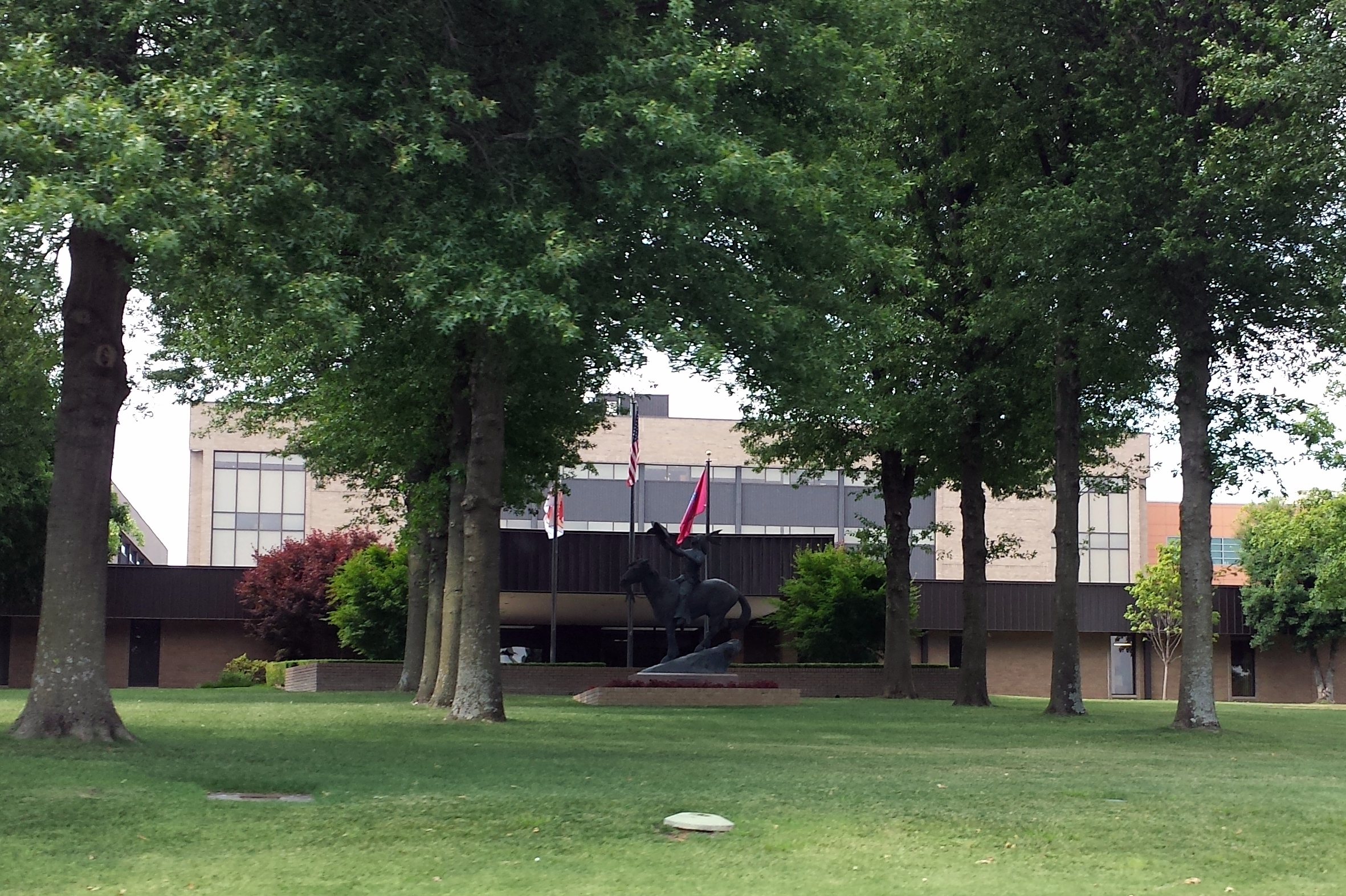
Header image: Tyson World Headquarters in Springdale, Arkansas. Photo by Brandonrush via Wikimedia Commons, licensed under CC BY-SA 3.0.
