
TL;DR
- US strikes on Iranian oil tankers became a weekend market risk after US Central Command said Iran fired ballistic missiles toward two US Navy warships.
- CENTCOM said both warships evaded the attacks and no American personnel were hurt. US forces then disabled two named crude carriers and destroyed a third unladen vessel after its crew was told to leave.
- The news arrived while standard US oil futures and cash equity markets were closed. The first reliable market test will come when crude and stock-index futures reopen.
- Traders should separate the military facts from the price response. A four-checkpoint replay exercise below focuses on confirmation, gap behavior, cross-market agreement, and follow-through.
By Ulysses Cornelius. Educational market analysis, not financial advice. Source context is current as of 10:50 a.m. ET on September 5, 2026.
What happened: US strikes Iranian oil tankers
US forces struck three Iranian oil tankers on Saturday after Iran's Islamic Revolutionary Guard Corps launched ballistic missiles toward a US aircraft carrier and a guided-missile destroyer, according to NBC News and CBS News. Both outlets cited a US Central Command statement.
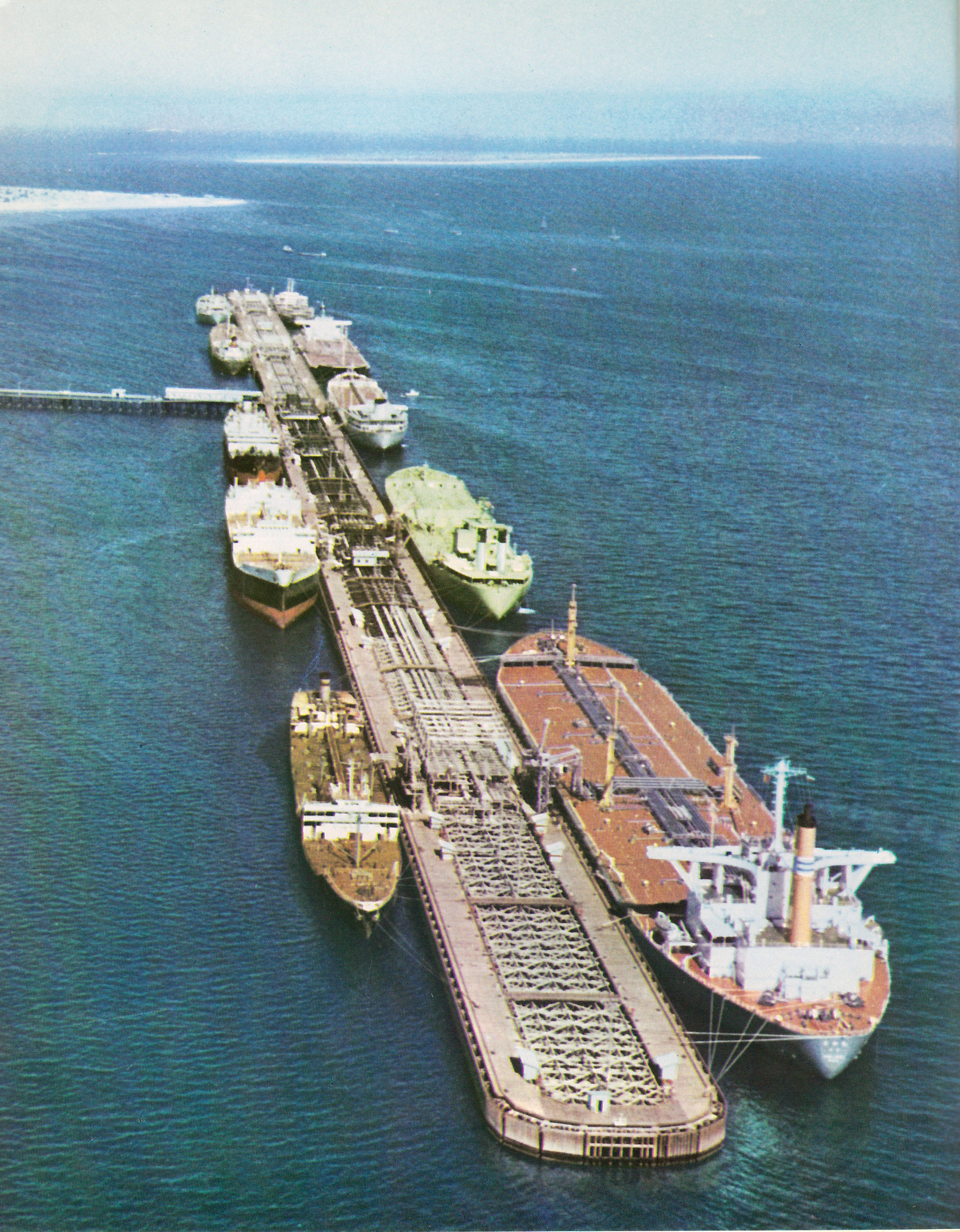
CENTCOM said the two warships evaded the missile attacks and no American personnel were injured. It said US forces permanently disabled the M/T Downy off Kharg Island and the M/T Stark 1 near Jask. A third vessel, the M/T Kylo, was unladen when it was destroyed in the Gulf of Oman. Its crew had been directed to abandon ship.
Bloomberg's markets feed also reported the tanker strikes. The shared core facts are therefore confirmed by multiple newsrooms and the military statement. Claims about the condition of each vessel still come from CENTCOM, and no independent damage assessment was available in the reviewed sources.
Why markets moved
This specific event broke after the standard weekly close, so there is no clean crude-futures or US stock-market reaction to attribute to it yet. Friday's oil market had already carried a large US-Iran risk premium after renewed fighting. Saturday's strikes add a new transmission channel because the targets were commercial oil carriers near Kharg Island, Jask, and the Gulf of Oman.
Kharg Island is central to Iran's oil-export system. NBC noted that US forces struck military targets there in March but spared oil infrastructure. A direct attack on tankers near that hub raises the chance that traders price more danger around cargo availability and Gulf shipping when markets reopen.
The second channel is retaliation risk. Missiles aimed toward an aircraft carrier and a guided-missile destroyer bring US naval assets directly into the event. If the next response affects shipping lanes or export facilities, oil could gap higher. If the episode ends with these strikes and transit conditions remain unchanged, part of the weekend premium may fade quickly.
Implications for the most impacted trader cohorts
Oil-futures traders face weekend gap risk. A gap is the distance between Friday's settlement and the next tradable price. The opening print matters less than whether buyers keep control after the first burst of orders and whether later contracts rise with the front month.
Stock-index futures traders should watch the inflation channel. A durable crude move can pressure transport-sensitive shares and lift expected input costs. A brief oil spike with stable index breadth would suggest the market sees the event as contained.
Rates traders should compare oil with Treasury yields. Higher crude paired with higher yields would point toward an inflation reading. Higher crude with lower yields would look more like a flight to safety. Mixed signals argue for smaller size and more patience.
ChartDojo four-checkpoint replay exercise
- Freeze the chart just before the first liquid futures open. Write down only the confirmed facts and mark any claim that still relies on one party.
- Record the opening gap in crude and stock-index futures, then wait through the first 15-minute bar before choosing a direction.
- Check whether oil, index breadth, and Treasury yields tell the same story. Score agreement from zero to two rather than forcing a trade.
- Advance the replay by one hour. Keep the setup only if price holds beyond the opening range and fresh reporting supports the same scenario.
This drill tests decision quality under headline pressure. The score comes from following the checkpoints, regardless of whether the first directional guess was right.
Potential positives vs negatives from this catalyst
The positive case is limited escalation. No US personnel were injured, the M/T Kylo was unladen, and its crew was told to leave before the strike. If crews are safe, export infrastructure stays operational, and no new attacks follow, markets may treat the episode as a contained military exchange.
The negative case is a widening campaign against energy assets. Two loaded or crude-designated carriers were reportedly disabled near important Iranian export areas. Further attacks on tankers or terminals could raise insurance costs and deepen concern about physical supply. A response against US naval forces would raise the risk again.
What could happen from here
Base case: The exchange stops for now and Gulf shipping remains constrained but functional. This path is confirmed if CENTCOM and Iranian authorities report no new attacks through the next market open and crude holds within Friday's broader range. It is invalidated by a verified strike on another vessel or a material change in transit conditions.
Upside case for risk assets: The event is contained and the first crude gap fades. Stock-index futures stabilize while Treasury yields show little inflation repricing. This path is confirmed if oil loses the opening range and no follow-up attack appears. It is invalidated if energy prices hold a large gain into the European session.
Downside case: Iran retaliates or the US expands strikes against tankers and export infrastructure. Crude rises with stronger front-month pricing, while stock-index futures weaken. This path is confirmed by new official reports plus sustained price follow-through. It is invalidated if shipping data stays stable and the first oil spike reverses.
What to watch next
- Any Iranian government or IRGC account of the missile launches and damage to the three named tankers.
- CENTCOM updates on the aircraft carrier, destroyer, or additional military action.
- Verified shipping changes near Kharg Island, Jask, the Gulf of Oman, and the Strait of Hormuz.
- The first two hours of crude futures, stock-index futures, and Treasury trading after the weekend.
For recent context, see ChartDojo's September 1 US-Iran strike update and the September 1 tanker-strike risk watch. Those articles covered different catalysts. Saturday's event is the first in this sequence to pair attempted missile attacks toward two named classes of US warships with US strikes on three named Iranian tankers.
Sources
- NBC News: US strikes three Iranian oil tankers
- CBS News live coverage of the US-Iran conflict
- US Central Command statement and strike footage
- Bloomberg: US strikes Iranian tankers after warship attack
ChartDojo helps traders rehearse evidence checks and opening-gap decisions before real money is at risk. Build real skills, not bad habits, with AI-powered feedback. Start a free trial.