
TL;DR
- A tanker reported being struck by three unknown projectiles while leaving the Strait of Hormuz through the southern shipping lane near Oman.
- UK Maritime Trade Operations said there were no reported casualties. Reuters also reported no environmental impact.
- Brent crude traded near $91 a barrel and West Texas Intermediate near $86.60 early Tuesday after both contracts gained more than 2.5% in the previous session.
- The next test is whether this remains one contained shipping incident or produces more attacks, fewer transits, higher freight costs, and a broader risk-off move.
The Strait of Hormuz tanker strike adds a direct commercial-shipping event to a conflict that had already lifted oil prices. This update is distinct from the weekend strike on Larak Island because the new question is operational: can tankers keep moving through the southern lane without a wider interruption?
Strait of Hormuz tanker strike: what happened
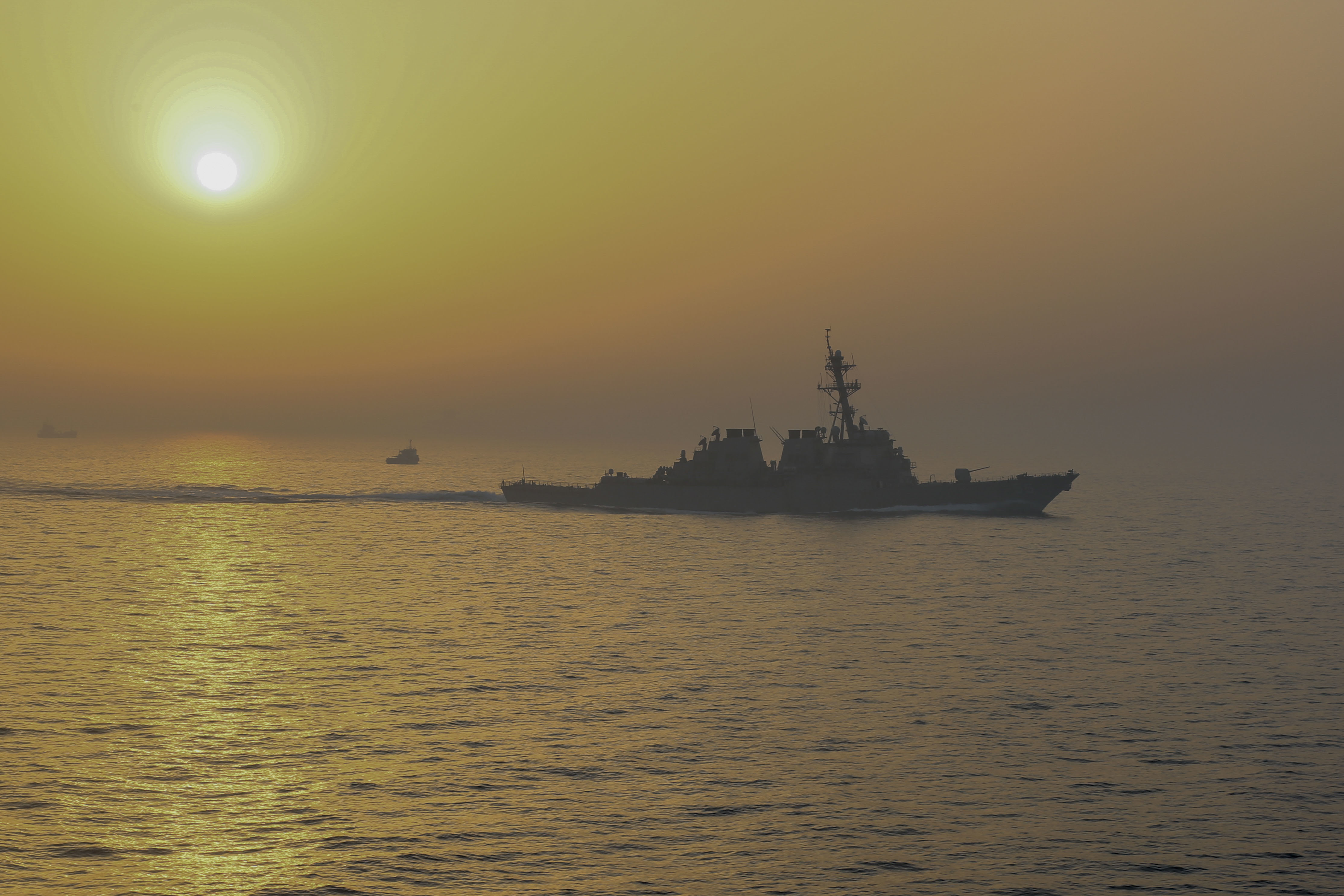
A tanker was struck by three unknown projectiles while transiting the Strait of Hormuz, according to a Tuesday notice from the UK Maritime Trade Operations agency. CNBC reported that the vessel was sailing in the southern shipping lane close to Oman. No casualties were reported.
Reuters reported the same UKMTO notice and said there was no environmental impact. The available reports did not identify the tanker, the projectiles, or who launched them. Those gaps matter. Attribution should remain open until maritime authorities or the vessel operator provide evidence.
The incident follows the first direct U.S.-Iran exchange of attacks in about a month. U.S. forces struck rocket launchers on Larak Island on Sunday. Iran then said it targeted bases used by U.S. forces in Jordan. President Donald Trump said the United States would respond to further attacks.
Why markets moved
Hormuz is a narrow route between the Persian Gulf and the Gulf of Oman. Before the current war, roughly one-fifth of global oil supplies moved through it, Reuters reported. A projectile strike on a tanker raises the cost of treating the waterway as merely restricted. Shipowners, insurers, and crews must now judge the chance of physical damage on each transit.
Oil had already repriced the weekend escalation. At 00:44 GMT Tuesday, Reuters put Brent up 0.6% at $91.05 a barrel and WTI up 1% at $86.59. In the previous session, Brent gained 2.7% and WTI rose 2.8%. The tanker report did not create the entire move, but it gave traders a fresh reason to keep a shipping-risk premium in crude.
Traffic data adds weight to the concern. Reuters cited Kpler data showing visible commodity-vessel transits through the strait fell to five per day over the weekend. One incident can fade. An incident alongside reduced traffic can affect freight availability and delivery timing even if oil infrastructure remains intact.
Implications for the most impacted trader cohorts
Oil futures traders face a headline-sensitive market with larger overnight gap risk. The useful distinction is between a security premium and a supply loss. A security premium can reverse quickly if traffic normalizes. A confirmed closure, port disruption, or sustained fall in tanker movements would support a more durable repricing.
Equity traders should watch airlines, transports, refiners, and large energy producers for different reactions. Higher crude can help upstream energy earnings while raising fuel costs elsewhere. Broad stock-index weakness would suggest the market sees an inflation and growth problem rather than an isolated oil trade.
For a ChartDojo replay exercise, mark four checkpoints on an oil chart: the Larak strike headline, Iran's response, the tanker report, and the first verified traffic update. At each checkpoint, record the price reaction, the volume response, and whether the move held for the next three bars. Score the decision on two questions: did the evidence change actual supply conditions, and did price confirm that change? This keeps the drill tied to information quality instead of hindsight.
Potential positives vs negatives from this catalyst
The constructive outcome is containment. No casualties or environmental damage were reported, and the vessel appears to have continued out of the strait. If UKMTO reports no follow-on incidents and transit counts recover, part of the new risk premium could ease.
The negative outcome starts with repetition. Another commercial vessel hit, visible damage, crew casualties, or a sharper decline in transits would make the security problem harder to dismiss. Insurance restrictions or owner decisions to avoid the route could tighten effective supply even without damage to a field, pipeline, or export terminal.
There is also an inflation channel. Brent holding above $90 for several sessions would feed back into rate expectations and transport costs. That could pressure bond prices and rate-sensitive equities while supporting selected energy shares. A quick crude reversal below the pre-escalation range would weaken that cross-asset case.
What could happen from here
Base case: The tanker incident remains contained, but oil keeps a modest security premium while authorities investigate. Confirmation would come from stable traffic, no additional UKMTO alerts, and Brent holding its recent range without accelerating. This path fails if another vessel is hit or transits fall again.
Upside case for risk assets: Maritime traffic improves and the United States and Iran avoid another direct exchange. Brent gives back part of Monday's gain, transport shares stabilize, and bond yields stop responding to energy inflation. This path is confirmed by verified vessel movements and calmer official statements. It is invalidated by new attacks or formal navigation warnings.
Downside case: The strike begins a sequence of attacks on commercial shipping. Tanker availability tightens, insurance costs rise, and Brent breaks higher on sustained volume. Confirmation would be a second incident, a closure notice, or independently verified port and export disruption. This path is invalidated if traffic normalizes and crude cannot hold above the first post-incident high.
What to watch next (next 24h)
- UKMTO and regional maritime notices for identification of the vessel, damage assessment, or attribution.
- Verified tanker-transit counts through the southern lane near Oman.
- Brent's response around $91 and whether WTI confirms the move during U.S. trading hours.
- Freight, insurance, airline, transport, and energy-stock reactions for evidence of spillover beyond crude futures.
Sources
- UKMTO notice on the tanker incident
- CNBC: Tanker struck in Hormuz as escalation worries return
- Reuters via Business Standard: Oil rises on supply-disruption fears
For prior ChartDojo context, see the Larak Island strike risk map and the update on Iran's response near U.S. bases in Jordan.
Use the next replay to practice evidence-based decisions before the headline moves real money. Build real skills, not bad habits, with AI-powered feedback. Start a free trial at ChartDojo.