

TL;DR
- Trump Iran attacks risk stayed active Wednesday after President Donald Trump said the U.S. would strike Iran again later in the day.
- CNBC, MarketWatch, WSJ, and Guardian coverage each reported the fresh escalation language after Tuesday's U.S.-Iran exchange of attacks.
- This is a Risk Watch. The trader issue is whether oil, index futures, and volatility start moving before new strike details are confirmed.
- The setup matters most for WTI and Brent crude, S&P 500 futures, Nasdaq futures, and energy equities.
What happened
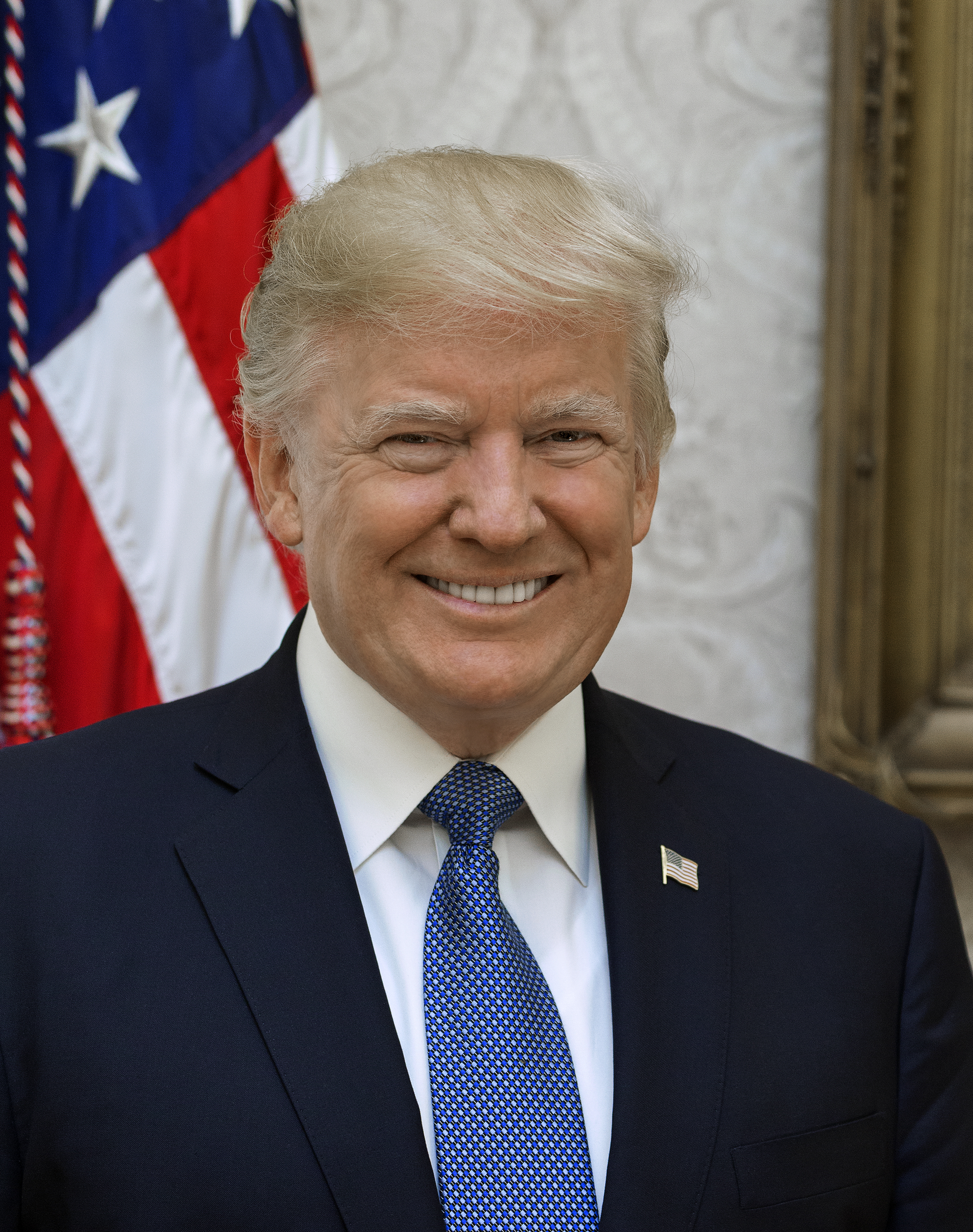
Trump Iran attacks became the live market headline again shortly after noon ET on Wednesday, June 10. CNBC reported that Trump pledged more attacks on Iran and said the United States would be "attacking them very hard." MarketWatch separately reported that Trump told reporters the U.S. hit Iran hard Tuesday and would hit Iran again Wednesday.
WSJ also reported that Trump said the U.S. would launch new attacks on Iran later Wednesday. Guardian live coverage framed the remarks as another threat of strikes after the helicopter-related exchange that has already pushed traders back into Middle East risk mode.
The timing matters because markets were already processing a heavy tape. Earlier Wednesday, May CPI came in at 4.2% year over year, with energy costs a large part of the inflation pressure. The fresh Iran comments now sit on top of the same oil-sensitive macro story.
This post is labeled Risk Watch because the key fact is the public pledge of additional U.S. action. Details on targets, timing, and Iran's response were still developing as of 12:23 p.m. ET. Traders should separate confirmed comments from assumptions about the size of any new strike.
Why Trump Iran attacks moved markets
Oil is the first transmission channel. When U.S.-Iran headlines point toward more military action, traders reprice the risk that Gulf shipping, refinery flows, or insurance costs could worsen. WTI and Brent do not need a confirmed supply loss to move. A higher probability of disruption can be enough.
The second channel is index futures. Higher oil can feed inflation concern, which can push Treasury yields and rate expectations in the wrong direction for equities. That is a harder setup for long-duration growth stocks, including Nasdaq leaders.
The third channel is volatility. Escalation headlines often create a sequence problem for traders: the first move can be fast, but the second move depends on confirmation. In ChartDojo replay reviews, this is where traders often get hurt by sizing a headline before oil, futures, and sector breadth confirm the same story.
Earlier Iran headlines have already produced several oil and futures moves this week. When the same conflict keeps generating fresh signals, traders can become less responsive until a new fact changes the risk path. A pledge for same-day attacks is one of those facts, but price still needs to confirm it.
Implications for the most impacted trader cohorts
Oil futures traders: WTI and Brent remain the cleanest market read. A move that holds through the U.S. afternoon would tell traders the market sees more than headline noise. A quick fade would suggest the tape is waiting for confirmed strike details.
Stock-index futures traders: S&P 500 and Nasdaq futures are exposed through inflation, energy, and risk sentiment. If oil rises while yields climb, equity futures may struggle. If oil holds steady and breadth improves, the Iran headline may stay contained.
Energy-equity traders: Producers and refiners may catch support if crude risk premia rise. The harder question is whether the move is broad enough to lift the sector or narrow enough to favor only direct crude beta.
Crypto traders: Bitcoin and ether can react to risk-off moves, but this is not primarily a crypto catalyst unless liquidations pick up or the dollar and yields move sharply.
This article is educational market analysis, not financial advice.
Potential positives vs negatives
The positive case for risk assets is that the comments remain a warning rather than a market-changing operation. If any new U.S. action is limited, if Iran's response is contained, and if oil does not break higher, equity traders may refocus on CPI, earnings, and the Fed path.
Energy producers have a different positive case. Higher crude risk premia can support cash-flow expectations, especially if the market starts paying more for geopolitical supply risk.
The negative case is cleaner. A confirmed strike cycle, Iranian retaliation, or new threat to Gulf shipping could lift oil quickly and pressure futures at the same time. That would reinforce the inflation story from the May CPI report and make the Fed's 2026 rate path look less friendly for equities.
The hardest version for traders is a mixed tape. Oil rises, futures chop, and headlines arrive before official confirmation. That can create false breakouts in both directions. The better response is to map levels first, then require confirmation across markets that should logically move together.
What could happen from here
Base case: The U.S. carries out a limited action or keeps pressure high without a large new market shock. Oil stays firm but does not accelerate, and index futures remain choppy. Confirmation would be crude holding gains without a volatility surge. Invalidation would be a confirmed strike with broader targets or a rapid Iranian response.
Upside case: The comments are followed by de-escalation language, no major supply disruption, and calmer futures into the U.S. close. Stocks could recover some risk appetite if oil fades and yields stabilize. Confirmation would be weaker crude, better Nasdaq breadth, and no fresh Gulf shipping stress. Invalidation would be another official threat or confirmed attack.
Downside case: The pledge turns into a larger strike cycle, Iran responds, or traders begin pricing higher odds of energy disruption. In that path, oil could rise while futures weaken and volatility products catch a bid. Confirmation would be WTI and Brent breaking higher together with defensive equity leadership. Invalidation would be a fast oil reversal and stable futures after the next confirmed update.
What to watch next
- Official U.S. confirmation of any new strike, including timing, target type, and stated objective.
- Iran's response, especially any reference to Gulf shipping, U.S. bases, or regional proxies.
- WTI and Brent reaction into the U.S. close, since crude is the fastest market signal here.
- S&P 500 and Nasdaq futures after cash-market liquidity thins.
- Treasury yields and the dollar, because a stronger inflation-risk read would make the equity reaction harder to fade.
Sources
- CNBC: Trump pledges more Iran attacks
- WSJ: Trump says U.S. will launch new attacks on Iran later today
- MarketWatch: Trump says U.S. plans more action against Iran
- Guardian live coverage: Middle East crisis updates
For related ChartDojo context, see the earlier posts on Trump's Iran warning and the oil-futures reaction and May CPI inflation at 4.2%.
Header image source: Wikimedia Commons, White House, public domain.

ChartDojo helps traders slow down before a headline becomes a trade. Build real skills, not bad habits, with market replay and AI-powered feedback on structured practice. Start a free trial at chartdojo.io/register.