
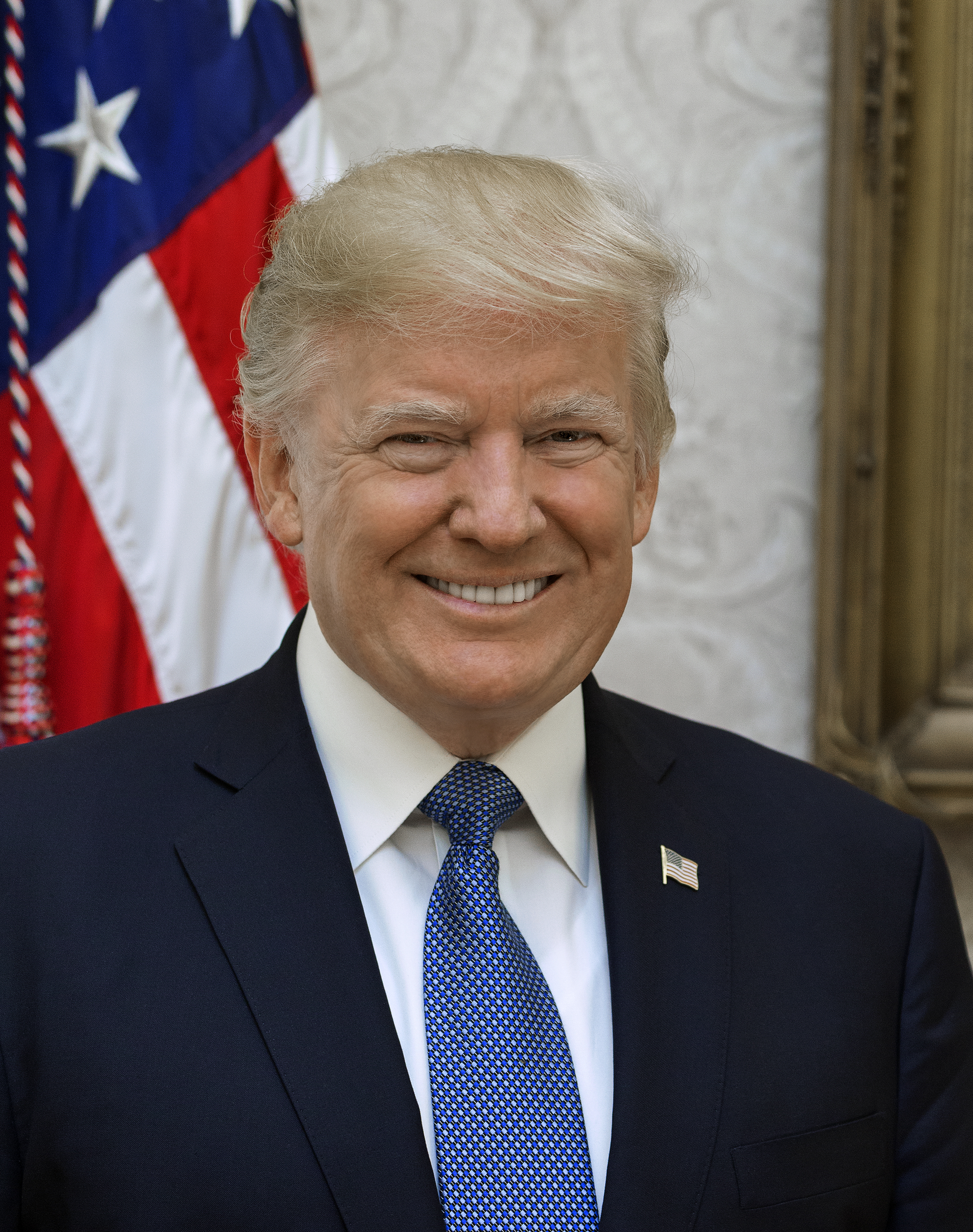
Trump Iran warning oil futures became the fresh U.S. premarket catalyst on Wednesday, June 10, 2026, after President Donald Trump said Iran had taken too long to agree to a deal and would have to pay the price. CNBC reported the comments at 11:49 UTC, while its oil desk reported minutes earlier that crude prices jumped after the warning. WSJ also reported that the post accelerated the stock sell-off and sent oil higher, with Brent near $93 and S&P 500 futures down about 1.6%.
This is a Risk Watch because the market reaction is real, but the path from threat to action is still uncertain. The new fact is the latest White House warning, its link to possible further strikes, and the immediate cross-asset repricing before the U.S. CPI release. Educational commentary, not financial advice.
TL;DR
- Trump warned Iran would have to pay the price after saying talks had taken too long.
- CNBC reported oil prices jumped after the comments, while WSJ reported oil rose and U.S. futures fell further.
- The timing matters because traders were already braced for U.S. inflation data and the overnight U.S.-Iran exchange of fire.
- Oil, S&P 500 futures, Nasdaq futures, gold, bitcoin, and Treasury yields are the cleanest confirmation signals over the next session.
- The main risk is a move from verbal warning to another strike cycle near the Strait of Hormuz.
What happened
CNBC reported that Trump said Iran would pay the price and claimed Tehran had taken too long to agree to a deal. The report followed overnight coverage of U.S. strikes on Iranian air-defense and radar systems after the Apache helicopter incident near the Strait of Hormuz, and Iranian retaliation claims tied to U.S.-linked bases in the region.
The market response came quickly. CNBC's oil coverage said crude prices jumped after Trump made the warning. WSJ reported that the post pushed oil higher and deepened the sell-off in U.S. stock futures, citing Brent near $93 and S&P 500 futures about 1.6% lower.
The Guardian's business live coverage showed a wider risk-off backdrop. At 7:26 a.m. ET, it reported S&P 500 futures down 1.1% and Nasdaq futures down 1.6% before the U.S. inflation print. Earlier, The Guardian said Asian stocks had fallen after Iran and the U.S. exchanged their largest round of fire since the April ceasefire, with Japan's Nikkei down 2% and South Korea's KOSPI sharply lower.
Traders already care about Iran risk. The fresh issue is that the latest U.S. warning arrived while oil was still sensitive to Gulf supply risk and while equity traders were waiting for CPI. That combination makes the tape more vulnerable to a second move if officials confirm new military plans.
Trump Iran warning: why markets moved
Markets moved because the warning links three pressure points: oil supply, inflation risk, and risk appetite. Crude traders price the Strait of Hormuz crisis through the chance of disrupted exports, slower shipping, higher insurance costs, or a longer blockade. Equity traders then read higher oil as a tax on consumers and a problem for companies with heavy fuel exposure.
The CPI timing raises the stakes. If inflation data comes in hot while crude is rising, traders may price a tougher Federal Reserve path. That can pressure long-duration growth stocks and the Nasdaq first, then spill into broader index futures if volatility rises.
There is also a positioning angle. When we tested similar headline bursts on chartdojo.io, the weakest practice trades came from chasing the first candle without checking whether crude, futures, volatility, and crypto agreed. A cleaner read waits for confirmation across assets instead of treating one headline as a full trade plan.
Implications for the most impacted trader cohorts
Oil traders: Brent and WTI remain the front-line instruments. A sustained move above the morning highs would show that traders are pricing more than a speech risk premium. A fade would suggest the market still expects containment or offsets from higher regional flows.
Futures traders: S&P 500 and Nasdaq futures are now trading both CPI and Gulf risk. If crude stays firm while futures weaken, the market is treating the warning as an inflation and growth shock instead of a pure geopolitical headline.
Stock traders: Energy, defense, airlines, shippers, insurers, transports, and high-multiple tech can split sharply. Higher crude can help some energy producers while hurting travel and consumer margins.
Crypto traders: Bitcoin and ether are secondary signals here. If crypto sells with Nasdaq futures, the event is reaching liquidity and risk appetite. If crypto holds while futures fall, the damage may stay concentrated in macro-sensitive equities.
Potential positives vs negatives from this catalyst
Potential positives: A warning is still short of confirmed new strikes. If U.S. officials clarify that diplomacy remains open, crude could give back part of the bid and futures could stabilize after CPI. Bloomberg's feed also reported Iraq boosting oil exports as more tankers transit the Strait of Hormuz, a potential offset if physical flows keep improving.
Potential negatives: The downside is that the warning becomes a prelude to more action. Fresh U.S. strikes, confirmed damage near Gulf infrastructure, or slower tanker movement would make the oil premium harder to fade. A hot CPI print would add a second problem by linking energy risk with rate risk.
What could happen from here
Base case
The warning stays rhetorical through the U.S. cash open. Oil holds a moderate risk premium, futures remain soft into CPI, and traders wait for official confirmation before pricing a larger escalation. Confirmation would be crude firm but contained, stable Treasury yields, and no new CENTCOM strike notice. Invalidation would be a confirmed military operation or a sharp oil breakout.
Upside case
Officials stress negotiations, tanker flows continue, and CPI is softer than feared. In that path, oil gives back part of the jump, Nasdaq futures recover, and volatility eases. Confirmation would be Brent and WTI fading while S&P 500 futures claw back losses. Invalidation would be another warning that names targets or timing.
Downside case
The warning turns into another strike cycle or Iran signals a wider response. Confirmation would be Brent and WTI up more than 1% on sustained volume, weaker S&P 500 and Nasdaq futures, rising gold, and a firmer VIX. Invalidation would be coordinated de-escalation language from Washington, Tehran, and regional governments.
What to watch next
- White House, Pentagon, and CENTCOM statements on whether more strikes are planned.
- Iranian official responses and any claims involving U.S.-linked bases, Kuwait, Bahrain, Jordan, or Gulf shipping lanes.
- Brent, WTI, S&P 500 futures, Nasdaq futures, gold, Treasury yields, bitcoin, and ether after the CPI print.
- Tanker flow and insurance updates near the Strait of Hormuz.
Sources
- CNBC: Trump says Iran will pay the price
- CNBC: oil prices jump after Trump warning
- WSJ: Trump post sends oil higher and futures lower
- The Guardian: global markets fall as U.S. and Iran exchange fire
- Wikimedia Commons: Donald Trump official portrait

For background, see ChartDojo's earlier coverage of Iran retaliation and the first Asia market reaction, oil after the initial U.S. strike reports, and the Hormuz helicopter incident.
Build real skills, not bad habits. ChartDojo gives traders structured practice, AI-powered feedback, and a cleaner way to review decisions before real money is on the line. Start a free trial at chartdojo.io/register.
Feature image source: Donald Trump official portrait, public domain via Wikimedia Commons.