
TL;DR
- The United Kingdom Maritime Trade Operations agency said a tanker was hit by an unknown projectile in the Strait of Hormuz early Thursday. The onboard fire was extinguished, the crew was safe, and an investigation was underway.
- ABC News and CNBC independently reported the UKMTO alert. The incident arrived while Iran and Oman were trying to restore safer passage and Qatar's prime minister traveled to Tehran for de-escalation talks.
- CNBC cited Kpler data showing only five confirmed crossings on Tuesday, compared with more than 130 vessels a day before the war. The new strike raises the risk that traffic, insurance capacity, and oil flows recover more slowly.
- This is a Risk Watch. The incident is verified, but the reviewed sources did not establish a fresh oil-price move caused solely by Thursday's attack as of 4:30 a.m. ET.
The Strait of Hormuz tanker attack is a fresh physical-security test for the world's most closely watched energy corridor. It does not prove a new campaign or identify the attacker. It does show that ships remain exposed even as officials discuss mine clearing, escorts, and a temporary maritime route.
What happened in the Strait of Hormuz tanker attack
UKMTO received a report that a tanker off the Omani coast was hit by an unknown projectile early Thursday. Its alert said the strike caused a fire, which was extinguished. No casualties or environmental damage were reported.
ABC News reported the alert at about 2:30 a.m. ET. CNBC separately reported the incident and said it was the latest in a series of sporadic attacks that have kept vessels away from the waterway. Neither report identified the attacker. That uncertainty matters because a shipping incident can affect risk pricing before responsibility is established.
The timing is awkward for diplomacy. Iran and Oman had agreed on a temporary corridor meant to support safer passage. Qatar's prime minister, Mohammed bin Abdulrahman Al Thani, traveled to Iran on Thursday to discuss de-escalation, dialogue, and freedom of navigation.
Why markets may react
Hormuz links Persian Gulf producers with global buyers. A security incident can affect the market through fewer sailings, higher insurance costs, longer waiting times, and a larger risk premium in Brent and WTI crude futures.
Traffic data show how fragile the reopening already was. CNBC said only five ships made confirmed crossings on Tuesday, based on Kpler tracking. That was down from seven on Monday and more than 130 vessels per day before the war. A single strike does not determine future flows, but it gives shipowners another reason to wait for evidence that the route is safer.
The transmission can reach stocks as well. Energy producers may respond to a higher crude risk premium, while airlines and transport companies face fuel-cost sensitivity. Broad index futures can weaken if traders treat the incident as evidence of renewed regional escalation. Those links require confirmation from prices and market breadth, not assumptions.
Implications for oil, futures, and stock traders
Oil traders should separate the verified incident from claims about responsibility. The useful evidence is concrete: vessel condition, traffic counts, escort changes, insurance notices, and official navigation guidance. A price spike without deterioration in those measures may fade.
Futures traders should watch the first sustained reaction in Brent and WTI rather than the first headline bar. Compare the front contract with later maturities. A larger premium in near-dated oil can signal immediate supply concern, while a uniform rise may reflect a broader macro move.
Stock traders can compare energy-sector breadth with airlines, transports, and the wider index. If only one oil producer rises, confirmation is thin. If energy shares strengthen while fuel-sensitive groups weaken and volatility rises, the event is reaching more of the market. This analysis is educational and is not financial advice.
ChartDojo replay checklist
Load a five-minute Brent or WTI chart from a prior verified Hormuz shipping alert. Hide the bars after the headline. Mark the pre-news range, the first reaction high, and the point where a second source confirmed the event.
Advance one bar at a time. Write down whether you have one source or two, whether the report describes damage or only a warning, and whether price holds outside the pre-news range. Then choose continuation, rejection, or no trade. Define the invalidation level before revealing the next bar.
Score the replay on four decisions: waiting for source confirmation, checking the oil curve, comparing energy shares with transports, and respecting the invalidation. Use the deliberate practice framework to review the process rather than the outcome.
Potential positives vs negatives
Potential positives
- The crew was reported safe, the fire was extinguished, and no environmental damage was reported.
- Qatari and Omani diplomacy remains active, leaving a route toward safer navigation and renewed traffic.
Potential negatives
- Another attack may delay the return of shipowners and insurers even if a temporary corridor remains open.
- Misattribution or retaliation could widen the conflict before investigators establish what happened.
What could happen from here
Base case, next 24 to 72 hours: Investigators release limited details, traffic stays depressed, and oil retains a cautious risk premium without a broad market break. This case is confirmed if crossings remain scarce while Brent and WTI hold inside recent ranges. It weakens if traffic rebounds quickly or a new strike occurs.
Upside case for risk assets: UKMTO guidance shows the route remains usable, Qatar's talks produce a practical de-escalation step, and more vessels complete escorted crossings. Softer crude prices and improving transport shares would confirm this path. It is invalidated by fresh damage, new mine reports, or suspended escorts.
Downside case for risk assets: A second verified incident or evidence of coordinated attacks causes shipowners to pull back and near-dated oil to strengthen. Wider energy-stock gains, weaker airlines, and higher equity volatility would confirm broader transmission. The case loses force if investigators isolate the event and traffic improves.
What to watch next in the Strait of Hormuz
- UKMTO updates on the vessel, projectile, location, and investigation.
- Confirmed daily crossing counts and any change in U.S. or Omani escort procedures.
- Insurance notices, charter rates, and delays for Gulf-loading cargoes.
- Brent and WTI curve changes, energy-stock breadth, airline shares, and index volatility.
- Results from Qatar's Tehran meetings and any Iran-Oman corridor announcement.
For background, read ChartDojo's Iran sanctions market risk map and the earlier guide to oil prices after U.S.-Iran talks resumed.
Sources
- UKMTO: Strait of Hormuz incident alert
- ABC News: Tanker attacked in Strait of Hormuz, UKMTO says
- CNBC: Qatari prime minister visits Iran after tanker attack
Build real skills, not bad habits. Start a free ChartDojo trial and use market replay with AI-powered feedback to review how you handle fast, incomplete information.
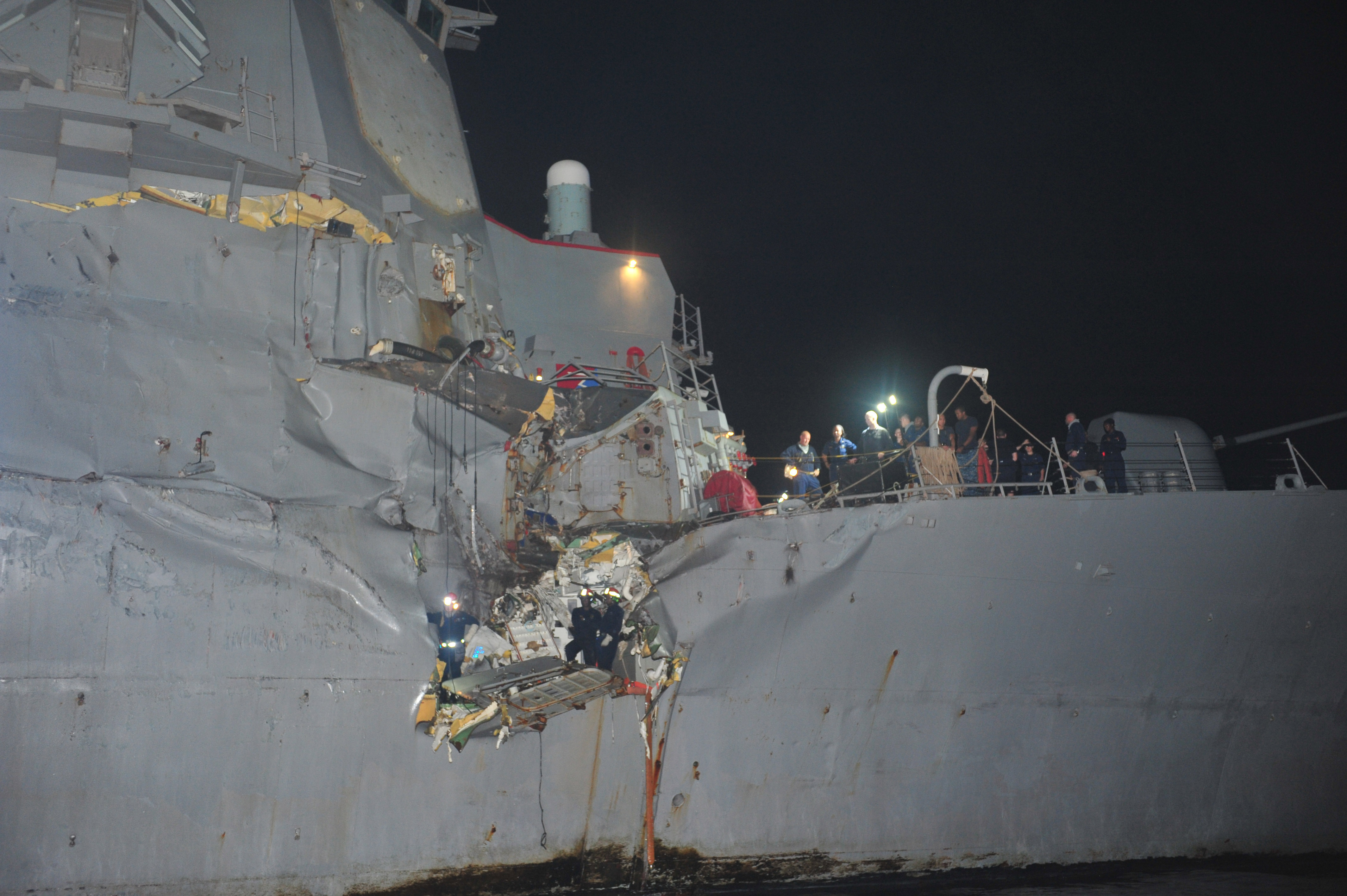
Header image: historical Strait of Hormuz image by U.S. Navy Mass Communication Specialist 3rd Class Jonathan Sunderman, via DVIDS and Wikimedia Commons, CC BY 2.0. The image does not show the August 27, 2026 incident.
