
By Ulysses Cornelius. Educational market analysis, not financial advice. Source context was checked at 6:47 a.m. ET on Saturday, August 1, 2026.
The Qatari LNG tanker strike near the Strait of Hormuz puts energy markets back on Risk Watch before Monday's open. Bloomberg reported that a tanker carrying liquefied natural gas from Qatar was hit by a projectile while transiting the waterway. A British maritime authority separately said an unknown projectile damaged a tanker's engine room northeast of Oman. Oil and gas markets were closed when the reports arrived, so the first reliable price response may come when futures reopen.
TL;DR
- Bloomberg reported that an LNG tanker carrying a Qatari shipment was struck while transiting the Strait of Hormuz.
- The United Kingdom Maritime Trade Operations Centre said a tanker was left not under command after engine-room damage, with no reported casualties or environmental impact.
- A second tanker reported a nearby splash and explosion, according to UKMTO.
- WTI and Brent had already gained more than 1% on Friday. The new incidents threaten the shipping recovery that had reduced part of the war premium earlier in the week.
What happened
UKMTO said it received a report of a tanker hit by an unknown projectile 11 nautical miles northeast of Oman. The impact damaged the engine room and left the vessel unable to navigate under its own command. The regional coast guard was informed. UKMTO reported no casualties and no environmental impact.
In a separate report, another tanker said it saw a large splash and explosion close to the vessel. CNBC covered both incidents Saturday morning. Bloomberg added that the struck LNG tanker was carrying a shipment from Qatar through the Strait of Hormuz, citing security intelligence firms and ship-tracking data.
The reports follow another shipping incident at Egypt's Damietta port on Thursday. Our Damietta LNG Risk Watch explains why attacks beyond Hormuz can affect European gas routes as well as Gulf exports. Responsibility for Saturday's tanker incidents had not been established in the cited reports.
Why the Qatari LNG tanker strike matters
The timing is the market issue. On Friday, WTI futures rose more than 1% and settled at $84.67 a barrel, while Brent gained more than 1% to $90.12, according to CNBC. Both benchmarks still lost more than 5% over the week after hopes for de-escalation and improving tanker traffic removed some of the supply premium.
Saturday's incidents challenge that calmer assumption. A vessel carrying Qatari LNG links the security risk directly to gas supply and crude exports. Bloomberg said the strike threatens further disruption to deliveries through the waterway. Before the conflict, roughly one-fifth of global oil supply moved through Hormuz, according to CNBC.
There is no verified weekend futures move yet. This is a Risk Watch because the physical shipping facts changed while the main energy contracts were shut. The first signal will be the gap when trading resumes, followed by any confirmation from vessel traffic and official security notices.
Implications for energy traders
LNG and natural-gas traders: The focus shifts to whether Qatari cargoes keep moving and whether insurers or shipowners pause transits. One damaged vessel does not prove a sustained supply interruption. Repeated incidents or delayed loadings would make the risk more durable.
Crude-futures traders: WTI and Brent may restore part of the premium lost during the week if shipping data weaken. ChartDojo's Hormuz traffic recovery update showed how quickly improving flows pushed oil lower. Saturday's news tests whether that recovery can continue.
Stock traders: Energy producers could benefit from higher commodity prices, while airlines and other fuel-sensitive companies would face renewed cost pressure. Shipping firms may trade on route changes and insurance costs. Broad index effects depend on whether the event remains isolated or develops into a longer closure risk.
When we test breaking-news replays on chartdojo.io, the useful discipline is to separate the first headline from the evidence that follows. Here, that means tracking confirmed vessel status and futures reaction before treating the strike as a lasting supply shock.
Potential positives vs negatives
Potential positives
No casualties or environmental damage were reported, and the regional coast guard was informed. If the vessel is stabilized and other ships continue moving, the market may treat the incident as contained. A rapid security response could also support confidence in escorted transit routes.
Potential negatives
Engine-room damage can remove a vessel from service even without a spill. A second nearby explosion report raises concern that more than one ship was exposed. Further attacks could slow LNG and crude traffic, lift freight and insurance costs, and reverse the week's decline in oil prices.
What could happen from here
Base scenario
The incident produces a firm but limited energy-price gap, while most shipping continues. Confirmation would be a modest rise in WTI, Brent or gas benchmarks with no broad halt in tanker traffic. This path fails if authorities report new strikes or shipowners suspend routes.
Upside scenario
The vessel is secured, no further incidents occur and traffic keeps recovering. Oil could give back an early risk premium. Continued Qatari LNG departures and stable UKMTO notices would confirm this path. A new projectile report would invalidate it.
Downside scenario
More vessels are hit or insurers sharply restrict Hormuz coverage. LNG and crude prices could jump as traders price fewer available cargoes. Confirmation would come from transit delays, loading cancellations or an official closure warning. Normal vessel flow would weaken this case.
What to watch next
- UKMTO updates on the damaged tanker, crew safety and towing or recovery operations.
- Any identification of the vessel and independent confirmation of its Qatari cargo.
- QatarEnergy loading schedules and evidence of delayed LNG departures.
- The opening move in WTI, Brent and major natural-gas benchmarks.
- Tanker traffic through Hormuz and any change in war-risk insurance terms.
Traders should also watch the broader escalation path described in ChartDojo's Iran retaliation Risk Watch. Saturday's shipping reports matter most if they become part of a repeated pattern rather than an isolated event.
FAQ
Did the Qatari LNG tanker strike move oil prices?
The main WTI and Brent markets were closed when the reports appeared. Friday's gains occurred before the Saturday incident. The reopening gap will offer the first direct price test.
Is the Strait of Hormuz closed?
The cited reports did not announce a full closure. They documented a damaged tanker and a separate nearby explosion report. Vessel traffic and official notices will show whether the disruption widens.
Sources
- UKMTO: Recent maritime incidents near Oman
- Bloomberg: Tanker carrying Qatari LNG struck in Hormuz
- CNBC: Tankers near Oman come under fire
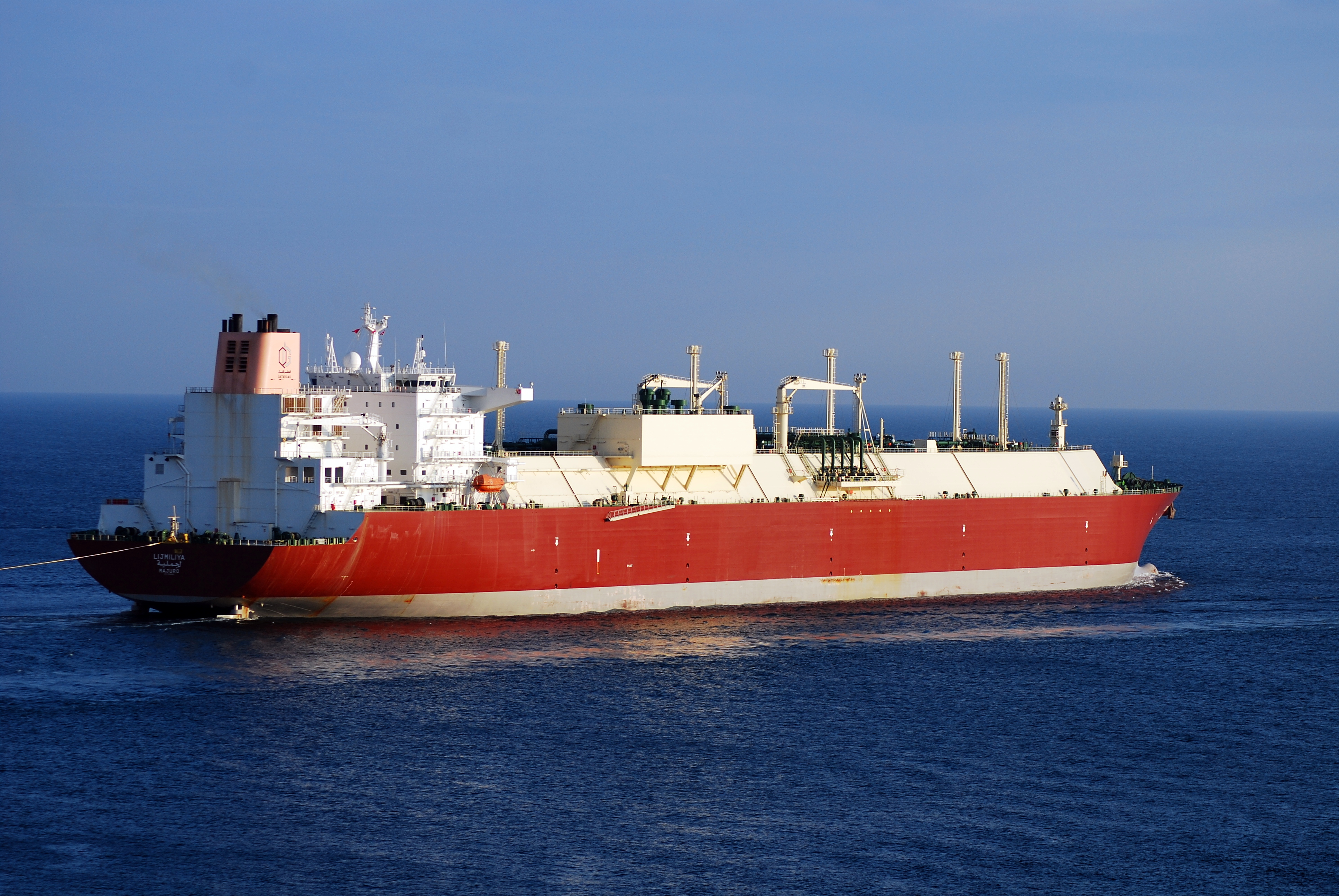
Feature image: The Qatargas LNG carrier Lijmiliya, photographed by devopstom. Via Wikimedia Commons, CC BY-SA 2.0.
Build real skills, not bad habits. ChartDojo helps traders rehearse fast-moving market setups and review their decisions with AI-powered feedback. Start a free trial at chartdojo.io/register.