
TL;DR
- Iran retaliation threat headlines moved back into focus after CNBC reported the IRGC said it will punish the aggressor today following U.S. strikes on Iranian targets.
- CNBC also reported the IRGC warned countries aiding the U.S. and claimed full control of the Strait of Hormuz.
- Bloomberg said oil rose after the fresh U.S. strike wave, while CNBC reported Brent settled 7.9% higher Wednesday before easing in Asian trade.
- This is a Risk Watch setup. Oil and Gulf shipping are the lead markets, with stock-index futures, rates and crypto acting as spillover checks.
What happened: Iran retaliation threat and oil risk
Iran retaliation threat coverage became the new catalyst early Thursday. CNBC reported at 08:14 UTC that Iran's Islamic Revolutionary Guard Corps said it will "punish the aggressor today" after U.S. forces completed a heavy wave of strikes against Iranian targets late Wednesday stateside.
That statement matters because the previous market move was already large. CNBC reported Brent crude settled 7.9% higher at $90.74 on Wednesday, while West Texas Intermediate, the main U.S. crude benchmark, settled 6.6% higher at $84.46. Oil was slightly lower in Asian trade Thursday, so traders are now testing whether the threat keeps a durable risk premium in the market.
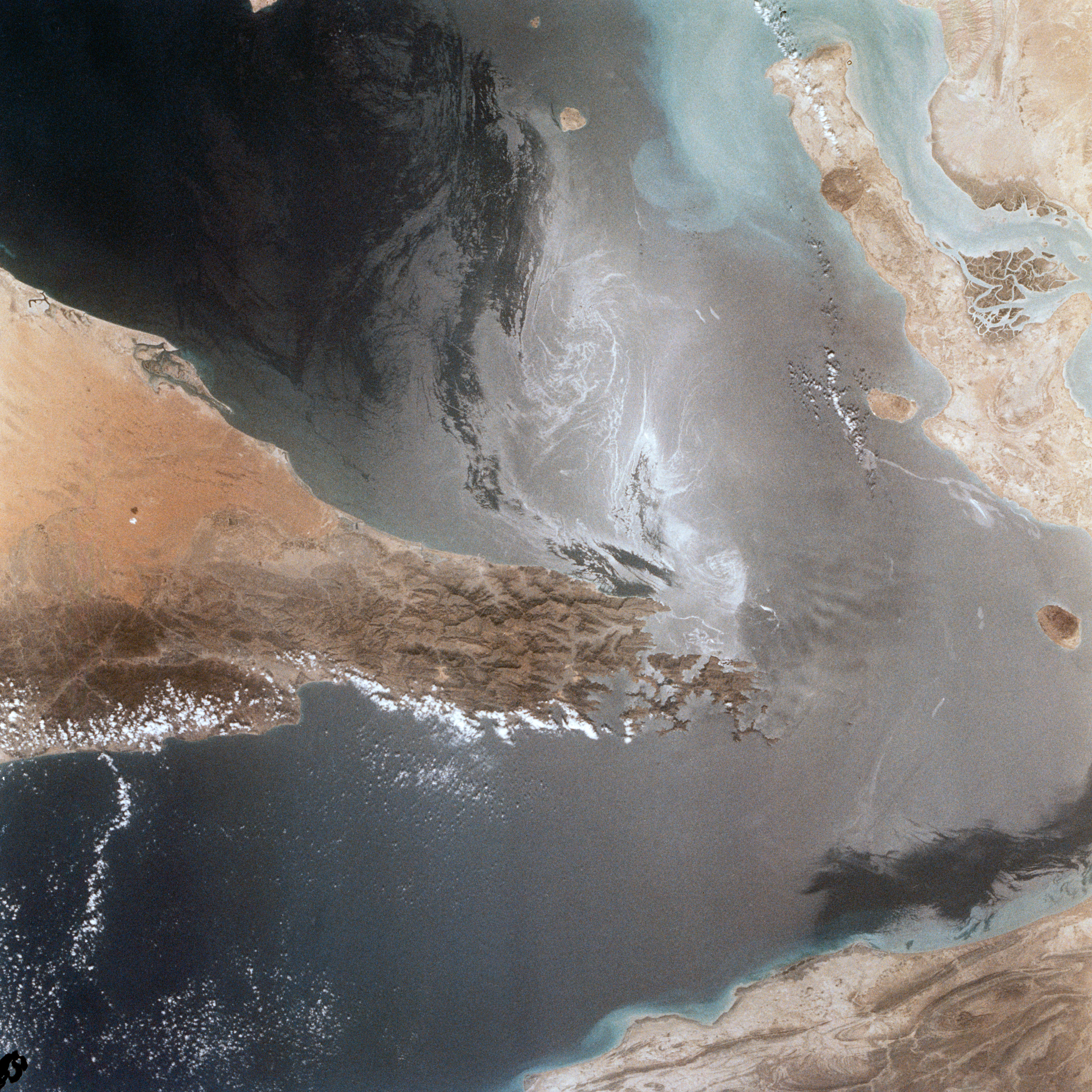
CNBC said the IRGC also warned that countries helping the U.S. would receive a harsh response and claimed full control of the Strait of Hormuz. The Independent carried the same retaliation language in live coverage, while Iran International reported the Guards claimed control of the strait and vowed to punish the aggressor later Thursday. Al Jazeera published current video coverage saying U.S. strikes caused extensive damage on Iran's Qeshm Island, which sits near the Hormuz corridor.
The core fact pattern is clear enough for a trader risk watch: the U.S. strike wave has moved into a retaliation window, and the public language now names the chokepoint that matters most for oil.
Why markets moved
Oil moved because the market has to price a higher probability of Gulf disruption even before a confirmed new supply loss. The Strait of Hormuz carries a large share of global seaborne crude and liquefied natural gas flows. When threats focus on that corridor, futures traders usually add a war premium first and verify physical flows second.
Bloomberg's markets feed said oil rose after the U.S. conducted fresh strikes on Iranian military targets, overshadowing the prospect of talks to end the conflict. Bloomberg also reported that Pakistan said U.S.-Iran talks were ongoing to restore stability, particularly around Hormuz. That leaves traders with a tense mix: diplomacy is still alive, but retaliation risk is being priced in real time.
The second channel is inflation. If Brent and WTI hold most of Wednesday's jump, traders may worry that energy prices will keep pressure on inflation expectations. That matters more after the Federal Reserve held rates steady with three officials preferring a hike. ChartDojo covered that policy backdrop in the recent Dow selloff after the Fed and oil spike.
When we tested this kind of headline tape on chartdojo.io, the better trade reviews had one habit in common: they waited for confirmation from the lead market. In this case, that means watching crude and shipping signals before chasing every move in stocks or crypto.
Implications for the most impacted trader cohorts
Oil futures traders are closest to the catalyst. Brent and WTI do not need a fresh breakout every hour to keep pressure on shorts. They need to hold enough of the war premium that sellers cannot fully fade the first move.
Stock-index futures traders should treat this as an energy-inflation test. S&P 500, Nasdaq and Dow futures can handle a short crude spike. They become more fragile if oil strength starts pressuring margins, consumer sentiment and rate expectations at the same time.
Rates and dollar traders should separate inflation pricing from haven demand. A stronger dollar with higher oil can say different things depending on whether Treasury yields are rising on inflation or falling on safety flows.
Crypto traders should keep Bitcoin and Ether in a secondary bucket for now. The catalyst is not crypto-native. BTC and ETH matter if they confirm a broader risk-off trade or if liquidity thins enough to produce weekend-style gaps.
Potential positives vs negatives from this catalyst
The positive case is containment. If Iran's statement remains a warning, talks continue and Hormuz traffic stays strained but open, oil could give back part of the spike. That would ease pressure on index futures and reduce the risk that rates markets add another inflation premium.
The negative case is a wider retaliation cycle. New missile fire, drone attacks, tanker incidents, ship diversions or insurance stress would make traders treat this as a Gulf disruption event rather than another warning. In that path, crude strength would likely spill into stocks, the dollar and high-beta crypto.
What could happen from here
Base case: Iran keeps pressure high without a major confirmed new attack, and crude holds a higher but controlled range. Confirmation would be no fresh Hormuz closure, no confirmed tanker damage and Brent failing to extend far above Wednesday's settlement zone. This case is invalidated by a clear Iranian military response or a shipping halt.
Upside case: Diplomacy lowers the temperature before the next U.S. cash session. Confirmation would be softer crude, calmer tanker-flow reporting and S&P 500 futures stabilizing after the Fed and oil shock. This case is invalidated if the IRGC threat turns into confirmed action.
Downside case: The retaliation window turns into a shipping and inflation shock. Confirmation would be new strikes, reported ship rerouting, Brent reclaiming the reaction high or index futures weakening while oil rises. This case is invalidated if both sides pause and crude cannot hold the war premium.
What to watch next
- Official Iranian follow-through after the IRGC's retaliation threat.
- Fresh CENTCOM updates on targets, force protection and any follow-on operations.
- Brent and WTI behavior through Europe and the U.S. premarket.
- Strait of Hormuz traffic, tanker insurance comments and ship rerouting reports.
- S&P 500, Nasdaq and Dow futures against Wednesday's post-Fed selloff range.
- Bitcoin and Ether only if crypto starts confirming broader risk stress.
Sources
Sources used for this flash include CNBC's U.S.-Iran and oil-market coverage, Bloomberg's July 30 oil-market coverage, Al Jazeera's Qeshm Island damage video and The Independent's live Iran-U.S. coverage. Related ChartDojo context: US Iran Strikes Put Oil on Risk Watch and CENTCOM Strike Wave Puts Gulf Shipping on Alert.
ChartDojo helps traders rehearse event risk before they commit real capital. Build real skills, not bad habits, with AI-powered feedback and a free trial at chartdojo.io/register.