
By Ulysses Cornelius
TL;DR
- Houthi Red Sea risk moved back into focus Wednesday after a U.S. Navy-led maritime security group warned that missiles and drones had been deployed near Bab el-Mandeb.
- CNBC reported Kpler saw a 34% decline in traffic through the strait on Tuesday compared with Monday, after the Houthis declared an embargo against Saudi Arabia.
- Windward data cited by CNBC showed four tankers carrying 3.8 million barrels of crude oil, gasoil, and naphtha turned around before reaching Bab el-Mandeb.
- This is a Risk Watch post because the shipping disruption is confirmed, while the next oil and futures reaction depends on whether rerouting spreads.
Houthi Red Sea risk watch: what happened
As of 10:00 a.m. ET Wednesday, Houthi Red Sea risk has become the newest shipping chokepoint traders need to track. CNBC reported that the Joint Maritime Information Center, a U.S. Navy-led maritime security group based in Bahrain, warned mariners that the Houthis had completed preparations to attack shipping near Bab el-Mandeb.
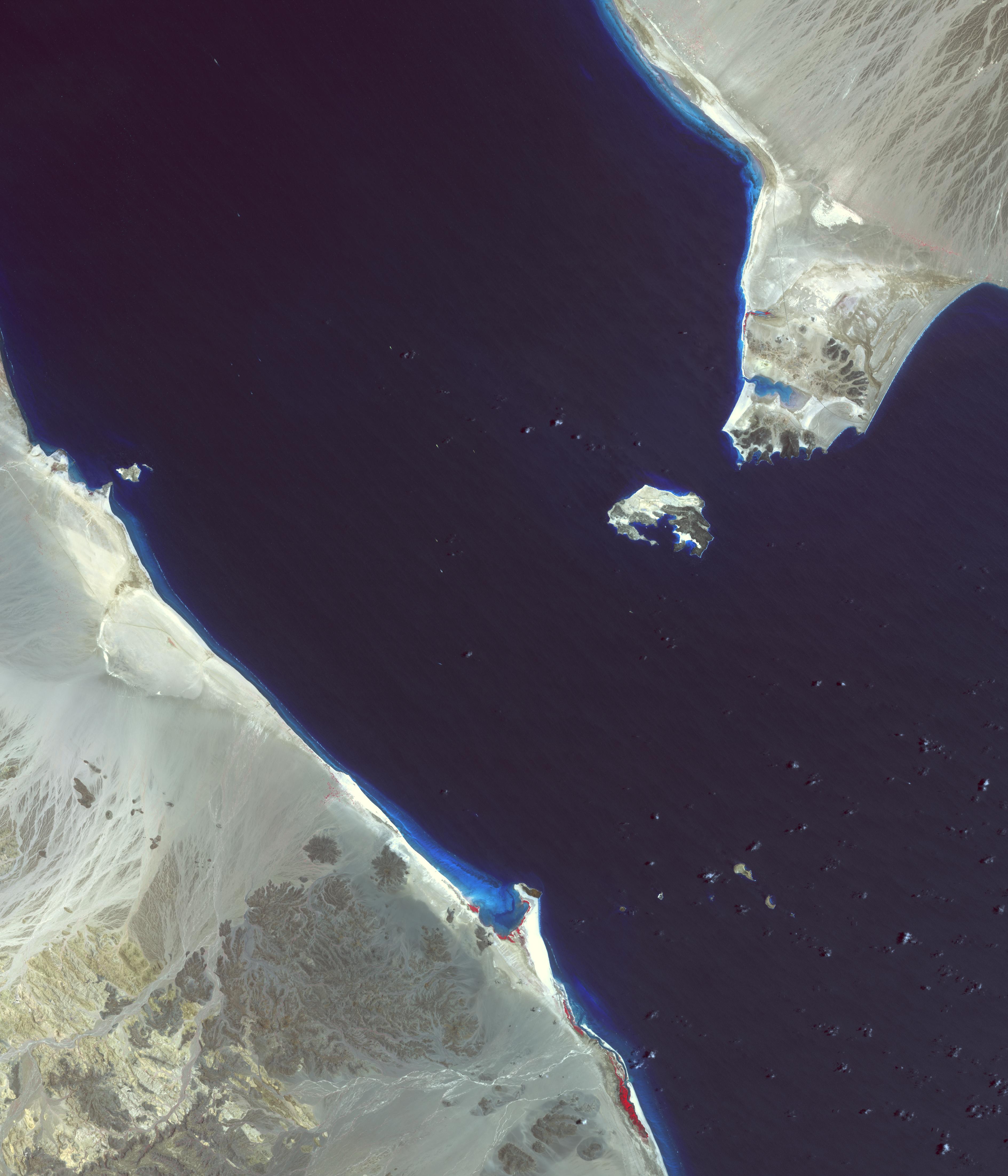
The JMIC alert cited preparations that included missile and drone deployments near the southern access point of the Red Sea. Bab el-Mandeb connects the Red Sea with the Gulf of Aden and the wider Arabian Sea. It matters because Saudi Arabia has been using Red Sea exports as a relief route while Iran-linked risks around the Strait of Hormuz have grown.
CNBC reported that no attacks had occurred in the prior two days and that JMIC still described the threat level as moderate. The market problem is the route behavior. Kpler observed a 34% decline in Bab el-Mandeb traffic on Tuesday compared with Monday. Windward said four tankers carrying 3.8 million barrels of crude oil, gasoil, and naphtha turned around before reaching the strait.
Bloomberg-syndicated Rigzone coverage added that several vessels made unusual maneuvers in the Red Sea while visible Hormuz traffic sank. It reported that only three commodity vessels were observed transiting Hormuz on Tuesday, the lowest daily count since early May.
In our internal ChartDojo catalyst logs, the new fact is not another generic Middle East headline. It is the combination of an official maritime alert, visible tanker route changes, and a second chokepoint risk developing while oil prices are already higher.
Why markets moved
Markets are reacting because Red Sea exports have been the backup route for part of the oil market. CNBC reported Saudi exports from Yanbu through Bab el-Mandeb surged to 3.5 million barrels per day in June, up from 240,000 bpd in the same period last year, citing Kpler data. That shift gave buyers a way around some Persian Gulf risk.
If Bab el-Mandeb also becomes harder to insure or route through, traders have to price a wider supply-chain problem. The issue reaches beyond whether a tanker is hit. Insurers may raise costs, shipowners may pause voyages, or buyers may bid for replacement barrels because scheduled cargoes are delayed.
The Guardian reported that three oil tankers carrying Saudi crude for China and India made U-turns on Tuesday away from the Houthi-controlled coast at the mouth of the Red Sea. It also reported that Bab el-Mandeb is used by roughly 7% of global maritime traffic.
That does not guarantee another oil spike. It does make the next few hours important for Brent, WTI, energy shares, and equity-index futures. If route changes spread, traders may treat the Red Sea as a live inflation risk rather than a background geopolitical issue.
Implications for the most impacted trader cohorts
Oil futures traders: Brent and WTI are the first screens to watch. A rerouting headline can widen time spreads, lift freight-sensitive grades, and pressure short positions that were betting on a quick de-escalation.
Equity-index traders: higher oil can hurt risk appetite if traders read it as an inflation shock. Nasdaq and S&P 500 futures are the read-through, especially if yields stay firm at the same time.
Energy equity traders: producers can benefit from stronger crude, but refiners and transport-linked names may see a less clean reaction. Route disruption can support price while also raising operating risk.
Crypto traders: bitcoin is a secondary signal here. If the move becomes a broader risk-off session, crypto may respond through dollar strength, higher yields, or lower equity futures rather than through a crypto-specific catalyst.
Potential positives vs negatives from this catalyst
Potential positives:
- JMIC said commercial traffic continued through established lanes and described the threat as moderate, which leaves room for a calmer tape if no attack follows.
- Saudi Yanbu loadings appeared to continue Wednesday in the Bloomberg-syndicated report, so the export route has not been shut.
- A renewed diplomatic push around the U.S.-Iran conflict could reduce the probability that the Red Sea warning becomes a sustained oil shock.
Potential negatives:
- More tanker U-turns would raise the market value of prompt barrels and freight capacity.
- A confirmed attack near Bab el-Mandeb would widen the conflict from Hormuz risk into a second major shipping route.
- A further oil rally could pressure index futures if traders connect it to inflation and central-bank risk.
What could happen from here
Base case: the market treats this as a live warning, not a route closure. This path is confirmed if Bab el-Mandeb traffic stabilizes, no confirmed attack follows, and oil holds gains without another sharp leg higher. It weakens if more tankers turn north or stop near Yanbu.
Upside scenario: risk appetite improves because ships keep moving and the JMIC threat level remains moderate. Confirmation would be lower Brent and WTI, firmer index futures, and no fresh maritime advisories through the U.S. session. This view fails if ship-tracking data shows broader rerouting.
Downside scenario: traders price a second chokepoint shock. Confirmation would include a confirmed attack, a larger traffic drop, or a visible jump in oil futures. This scenario loses force if JMIC reports normal routing and Saudi cargoes keep clearing Bab el-Mandeb.
What to watch next (next 24h)
- JMIC, UKMTO, and IMO updates for any confirmed attack or change in threat level.
- Kpler and Windward route data for tanker U-turns near Yanbu and Bab el-Mandeb.
- Brent and WTI reaction around the U.S. cash session and Asia open.
- S&P 500 and Nasdaq futures if oil strength becomes an inflation trade.
- Saudi export signals from Yanbu and buyer behavior from China and India.
Sources
- CNBC: Houthis deploy missiles and drones to attack ships in southern Red Sea, naval group says
- Rigzone/Bloomberg: Mounting Mideast Threats Deepen Oil Shipping Disruptions
- The Guardian: Houthis threaten shipping tankers using Saudi Red Sea ports
- Joint Maritime Information Center advisory note
Related ChartDojo coverage:
- Oil Prices Jump Nearly 4% as Iran Risk Hits Crude
- Rubio Warning Reprices Gulf Shipping Risk After U.S. Strikes
- Indian Refiners Halt Iraq Oil Loadings as Hormuz Risk Spreads
Header image source: Wikimedia Commons, NASA/METI/AIST/Japan Space Systems and U.S./Japan ASTER Science Team, public domain.
Build real skills, not bad habits. If you want to practice fast oil, futures, and cross-asset tape reads with AI-powered feedback and a cleaner review process, start your free trial at ChartDojo.