

TL;DR
- Reuters reported that President Donald Trump said Iran would be "hit very hard" on Saturday, a new escalation signal with direct weekend gap-risk implications.
- The market is already in a conflict-sensitive regime, so this update matters less for long-term narratives and more for near-term positioning and opening repricing.
- This is a fact-first Risk Watch: confirmed statements and observed market transmission are clear, while the size of the next move depends on whether rhetoric turns into broader realized disruption.
Trump "hit very hard" Iran warning: what happened
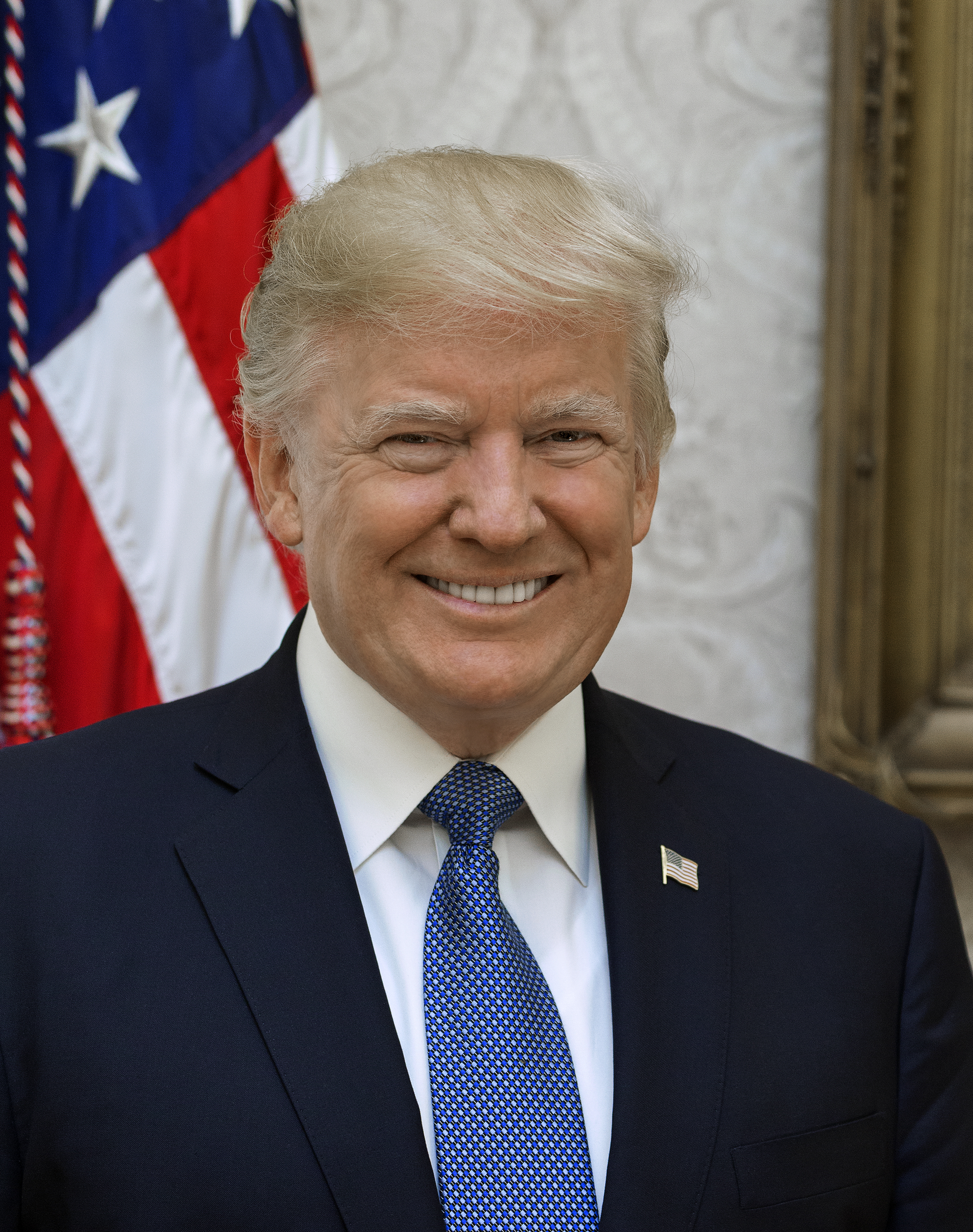
Reuters reported on March 7 that President Trump said Iran would be "hit very hard" and indicated potential widening of targeting scope. The statement comes after a week in which oil, index futures, and broader risk assets were repeatedly repriced by conflict headlines and concerns around Middle East energy-flow disruption.
In parallel Reuters coverage, traders were already navigating elevated crude and inflation-sensitive cross-asset volatility. Bloomberg and CNBC reporting have also highlighted that the oil market remains central to the broader risk repricing process.
Confirmed facts:
- The latest escalation statement was publicly reported by Reuters.
- Markets entered this update with elevated geopolitical risk premium already embedded in energy-linked pricing.
- Cross-asset sensitivity remains high, especially where oil, index futures, and Bitcoin positioning interact in thin-liquidity windows.
Still uncertain:
- Whether this statement is followed by immediate operational developments that widen supply-risk perception.
- Whether crude holds current premium levels or mean-reverts if de-escalation signals appear.
- Whether weekend headlines produce a directional gap or a whipsaw open across global risk assets.
Why markets moved
The immediate mechanism is not complicated. Geopolitical escalation raises tail-risk probabilities for energy supply, which pushes crude risk premia higher. Higher oil then feeds inflation concerns, interest-rate expectations, and equity risk appetite. During this phase, traders often focus more on macro shock transmission and less on company-specific fundamentals.
For crypto, especially Bitcoin, the key issue is correlation regime. In geopolitically stressed windows, Bitcoin can trade alongside global risk conditions instead of on isolated crypto narratives. That does not remove idiosyncratic crypto factors, but it does raise the influence of cross-asset positioning and liquidity conditions.
Implications for the most impacted trader cohorts
Futures traders
- Weekend statement risk can convert into opening gap risk for energy and index contracts.
- Headline sequencing matters: official confirmations and follow-up language can change direction quickly.
- Execution plans should include wider volatility assumptions and clear invalidation levels.
US equities traders
- If crude stays elevated, inflation-sensitive repricing can pressure broad indices and high-duration segments.
- Sector divergence is likely to remain high while conflict risk premium remains unresolved.
- Expect sensitivity to incremental geopolitical updates rather than only scheduled economic data.
Crypto traders
- Bitcoin and Ethereum may continue behaving as macro-sensitive risk assets over short windows.
- Headline-driven volatility can trigger abrupt moves around key liquidity zones.
- A de-escalation headline can drive sharp rebounds, but signal quality must be validated by broader cross-asset response.
Potential positives vs negatives from this catalyst
Potential positives
- If follow-up communication softens escalation risk, markets can unwind part of the geopolitical premium quickly.
- Stabilization in crude would reduce immediate inflation pressure and support risk sentiment.
- Clear diplomatic signaling could improve confidence and lower expected opening dislocations.
Potential negatives
- If rhetoric is followed by broader action, crude and volatility could see another upward leg.
- Persistent risk premium could pressure equities and high-beta crypto through tighter financial conditions.
- Weekend uncertainty can produce larger-than-normal opening gaps and intraday reversals.
What could happen from here (next 24-72h)
Base case: Elevated two-way volatility with no immediate resolution. Oil stays firm, index futures remain headline-sensitive, and Bitcoin tracks macro risk tone.
Confirm: Continued escalation rhetoric without verified de-escalation measures.
Invalidate: Credible diplomatic progress plus sustained easing in crude and implied volatility.
Upside case for risk assets: Escalation language is not followed by broader realized disruption, allowing risk premia to compress.
Confirm: Lower crude across consecutive sessions, improving equity breadth, and calmer cross-asset volatility.
Invalidate: Fresh high-impact conflict headlines that reverse relief.
Downside case: Further escalation or operational disruption risk extends the shock into another repricing wave.
Confirm: Verified reports of widened conflict footprint alongside renewed crude strength and weaker index futures.
Invalidate: Verified de-escalation and measurable normalization in energy-flow risk perceptions.
What to watch next (next 24h)
- Additional official US and regional statements that clarify intent and scope.
- Brent and WTI behavior around key opens and low-liquidity windows.
- S&P 500 and Nasdaq futures response to incremental updates.
- Bitcoin and Ethereum relative movement versus equity futures and oil.
FAQ
Does this statement alone confirm a new supply shock?
No. It confirms escalation risk signaling. Realized supply impact still depends on subsequent developments and verified disruptions.
Why publish a new risk watch if conflict was already in focus?
Because this is a new, high-consequence named escalation statement that can directly alter weekend positioning and opening gap probabilities.
Related ChartDojo market coverage
- US-Iran Oil Shock Risk Watch: Stocks, Futures, and Bitcoin
- Oil's Record Weekly Surge and Inflation Watch
- ChartDojo Market News homepage
Sources
- Reuters: Trump says Iran will be "hit very hard" on Saturday
- Reuters: Iran conflict enters second week amid surrender demands
- Reuters: US pump prices surge as conflict upends energy supply
- New York Times live updates: Trump vows Iran will be hit harder
- Bloomberg: Oil repricing as Hormuz disruption risk rises
Build real skills, not bad habits. ChartDojo gives traders AI-powered feedback on decision quality, risk discipline, and execution patterns. Start your free trial at https://chartdojo.io/register.
Header image source: wikimedia by W.carter. License: CC0.
