

By Ulysses Cornelius
Trump Iran peace claim became the late-Thursday risk event after CNBC's high-priority markets feed reported at 3:43 p.m. ET that President Donald Trump said the U.S.-Iran war was settled, subject to finalization, and that he expected a signing in the next few days.
Educational, not financial advice. As of about 3:45 p.m. ET, broad risk proxies showed a clear relief trade: SPY was up about 1.9%, QQQ was up about 3.5%, USO was down about 4.1%, BNO was down about 4.7%, TLT was up about 1.3%, and VIXY was down about 5.2%.
TL;DR
- Trump claimed the U.S.-Iran war was settled, subject to finalization.
- CNBC reported he expected a signing in the next few days.
- The Guardian reported a similar peace-agreement claim, while noting Iranian-aligned Fars denied that a formal agreement had been reached.
- Bloomberg's markets feed said U.S. bonds surged as Trump's vow that the war was ending sent oil lower.
- This is a Risk Watch because traders are repricing de-escalation before every side has confirmed a completed deal.
Trump Iran peace claim: what happened
The headline changed again late Thursday. Earlier in the session, the market was already reacting to reports that Trump had called off new Iran strikes after threatening to target Iranian oil assets. The later CNBC update went further: Trump said the war was settled, subject to finalization, and that he expected a signing in the next few days.
The Guardian also reported that Trump said the United States and Iran were close to a peace agreement. Its coverage added the important caveat: Iran's semi-official Fars news agency denied that a formal agreement had been reached. That split matters for traders because a claim of diplomatic progress is not the same thing as a signed, enforceable deal.
Bloomberg's high-priority markets feed tied the news to the tape, reporting that U.S. bonds surged as Trump's vow that the war was ending sent oil lower. Current exchange-traded proxies showed the same direction: stocks and long-duration Treasuries higher, oil-linked products lower, and short-term volatility lower.
This post is a distinct update from ChartDojo's earlier coverage of the Trump Iran strike pause, Kharg Island oil risk, and the Hormuz closure claim. The new angle is narrower: traders are now pricing whether the settlement claim turns into confirmation or fades as another disputed headline.
Why markets moved
Markets moved because a credible path away from U.S.-Iran escalation would change several trades at once. Oil risk premium can fall if traders believe attacks on energy infrastructure, tanker routes, or the Strait of Hormuz are less likely. Equity risk appetite can improve because lower oil prices reduce the pressure on inflation expectations and company margins. Treasury bonds can rally when traders expect less inflation pressure from energy.
The move also reflects positioning. After several days of strike threats, Hormuz claims, and oil-infrastructure risk, many traders were carrying hedges into every fresh headline. A settlement claim forces those hedges to be repriced quickly, especially when it arrives before the U.S. close.
The caveat is confirmation. CNBC reported Trump's claim, and the Guardian reported the broader peace-agreement framing. The Guardian also reported that Fars denied a completed formal agreement. That means this is not a clean ceasefire-signature story yet. It is a real market catalyst, but still a disputed diplomatic event.
In our internal ChartDojo logs, geopolitical headline drills work best when traders write down three separate items before acting: the confirmed fact, the observed market reaction, and the next invalidation trigger. Here, the confirmed fact is Trump's public settlement claim as reported by major outlets. The market reaction is a cross-asset relief move. The invalidation trigger is any official denial, fresh strike report, or renewed shipping disruption.
Implications for the most impacted trader cohorts
Stock and index futures traders
For S&P 500 and Nasdaq traders, this is a relief-rally test. A diplomatic path can support index futures if oil remains lower and volatility stays offered. The strongest version would include broad participation beyond mega-cap technology, with futures holding gains through the close and into Asia.
The risk is a late fade. If traders decide the claim is too early or too contested, the strongest intraday winners can give back gains quickly. That would be a sign that the market is treating the headline as temporary, not as a durable change in risk.
Oil and energy traders
Oil traders have the cleanest transmission channel. A settlement path can pressure Brent, WTI, USO, and BNO because it lowers the probability of attacks near Iranian export infrastructure and shipping routes. The size of the drop in oil-linked proxies shows how much risk premium had been embedded in the tape.
Still, oil is also where the reversal risk is highest. If Iran does not confirm progress, if Hormuz shipping claims return, or if U.S. officials walk back the timeline, the market can rebuild part of the risk premium before the next session.
Bond and volatility traders
Bond traders are reading this through energy and inflation. Lower oil can reduce near-term inflation pressure, which helps long-duration Treasury proxies such as TLT. Volatility traders are watching whether the move in VIX-linked products is a true de-risking signal or only a short squeeze in hedges.
The practical question is whether the next official update reduces uncertainty or adds another contradiction. Until that is clear, volatility can fall in the index while event risk remains high in crude, defense names, and headline-sensitive futures.
Potential positives vs negatives from this catalyst
Potential positives: A verified agreement would lower immediate energy-shock risk, support risk assets, and reduce demand for short-term volatility hedges. It could also help Treasury bonds if traders connect lower oil with softer inflation pressure.
Potential negatives: The claim may be ahead of the actual diplomacy. The Guardian reported that Fars denied a formal agreement had been reached, so traders still need to separate Trump's statement from confirmed implementation. A failed or disputed deal could leave the market exposed after chasing the relief trade.
What could happen from here
Base case: relief trade holds, but stays headline dependent
The base case is that stocks and bonds keep most of their gains while oil remains lower. Confirmation would be a firm U.S. close, stable futures into Asia, and no immediate denial from the White House, Tehran, or mediators. Invalidation would be a fresh military headline or a clear statement that no deal framework exists.
Upside case: a signed framework arrives
The upside case is a real framework within the next few days. Confirmation would be named-party statements, details on shipping or sanctions, and lower Brent and WTI without a snapback. Invalidation would be any sign that the parties are only discussing principles rather than signing terms.
Downside case: the claim breaks down
The downside case is a failed claim after traders have priced peace too quickly. Confirmation would be Iranian denial, renewed U.S. strike language, or fresh Hormuz disruption. Invalidation would be continued restraint and a second reputable confirmation that signing details are actually being finalized.
What to watch next (next 24h)
- Any White House statement that gives terms, parties, timing, or signing location.
- Iranian official reaction, especially whether it confirms or rejects Trump's timeline.
- Brent and WTI behavior into the Asia open.
- S&P 500 and Nasdaq futures after the U.S. close.
- Treasury yields and TLT if lower oil changes the inflation read.
- VIX and VIXY if traders reduce hedges too quickly.
Sources
- CNBC: Trump claims Iran war settled subject to finalization
- The Guardian: Trump says U.S. and Iran near peace agreement
- Bloomberg Markets: U.S. bonds surge as oil falls
Build real skills, not bad habits. ChartDojo gives traders structured practice and AI-powered feedback, so you can rehearse oil shocks, headline reversals, and index-futures risk before the next live tape tests your process. Start a free trial at chartdojo.io/register.
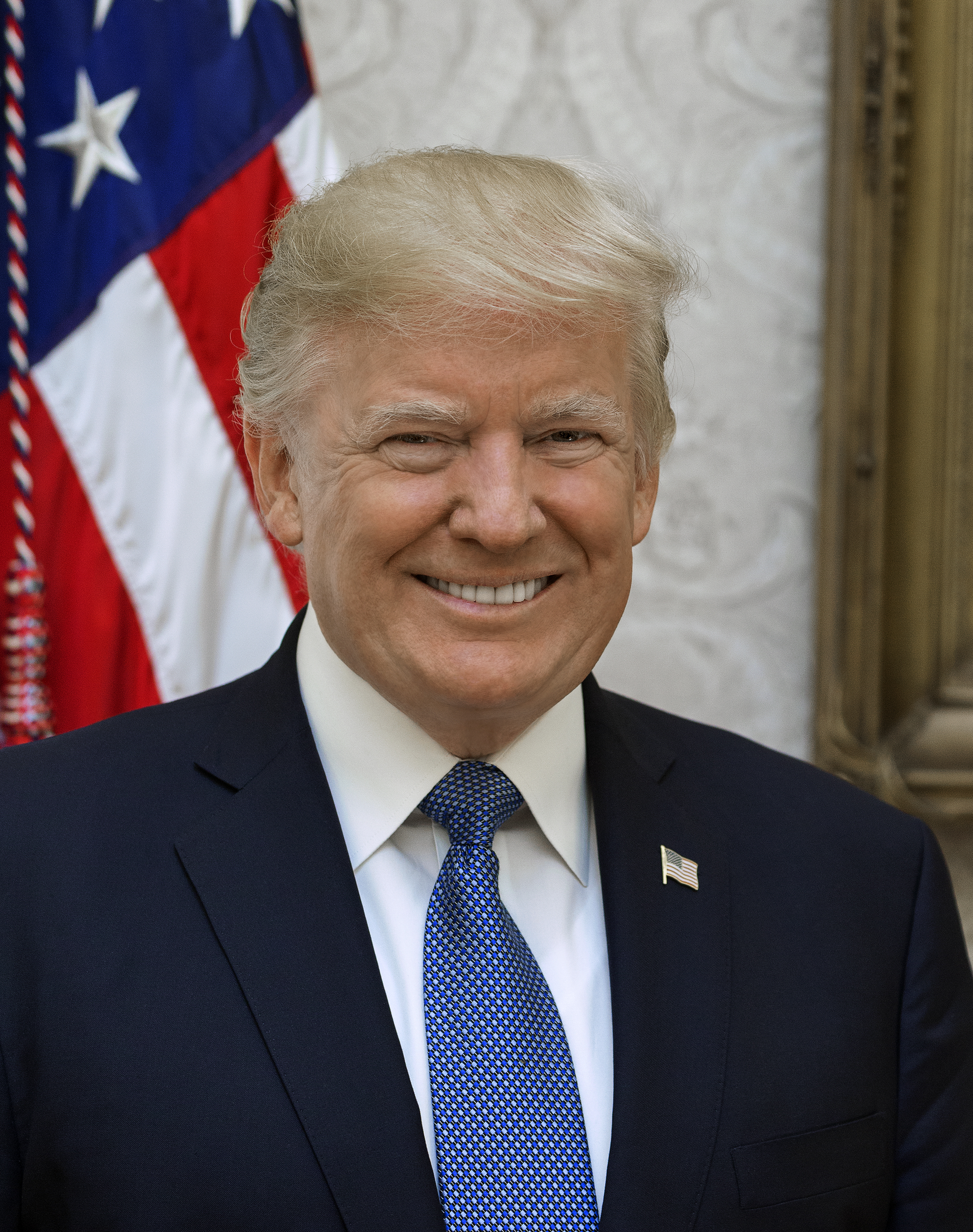
Feature image: Donald Trump official portrait, White House photo via Wikimedia Commons, public domain.
Header image source: pexels by Rene Terp. License: PEXELS.