
TL;DR
President Donald Trump announced late Friday afternoon that he will raise tariffs on cars and trucks imported from the European Union to 25%, effective next week. He claims the EU has failed to comply with the Turnberry Agreement, the bilateral trade deal agreed last July. European markets are partially closed for May Day, meaning the full market reaction arrives Monday. German auto stocks, the DAX, and US index futures are the immediate focus.
Trump EU Auto Tariff: What Happened
On Friday, May 1, 2026, at approximately 4:00 p.m. ET, President Trump posted that the EU "is not complying with our fully agreed to Trade Deal" and announced he would raise tariffs on EU cars and trucks to 25%, effective next week. The announcement was confirmed by Reuters, Bloomberg, and the Associated Press within the hour.
The tariff hike targets the Turnberry Agreement, a deal struck last July between Trump and European Commission President Ursula von der Leyen. That agreement set a 15% ceiling on most EU goods entering the US. Earlier this year, a US Supreme Court ruling determined that Trump had lacked the legal authority to declare an economic emergency and levy tariffs on EU goods, which reduced the effective ceiling to 10%. The Trump administration then launched a new set of trade investigations under alternative statutes, setting up the current conflict.
Trump did not specify which provisions the EU allegedly violated. The European Commission had previously stated its position clearly in February: "A deal is a deal. As the United States' largest trading partner, the EU expects the U.S. to honor its commitments set out in the Joint Statement."
Why Markets Moved
European auto manufacturers are among the most exposed companies to US tariff shifts. Under the Turnberry Agreement, European automakers had been saving an estimated 500 million to 600 million euros per month ($585 million to $700 million) in avoided tariff costs. A jump to 25% would reverse that entirely and add substantial new costs on top.
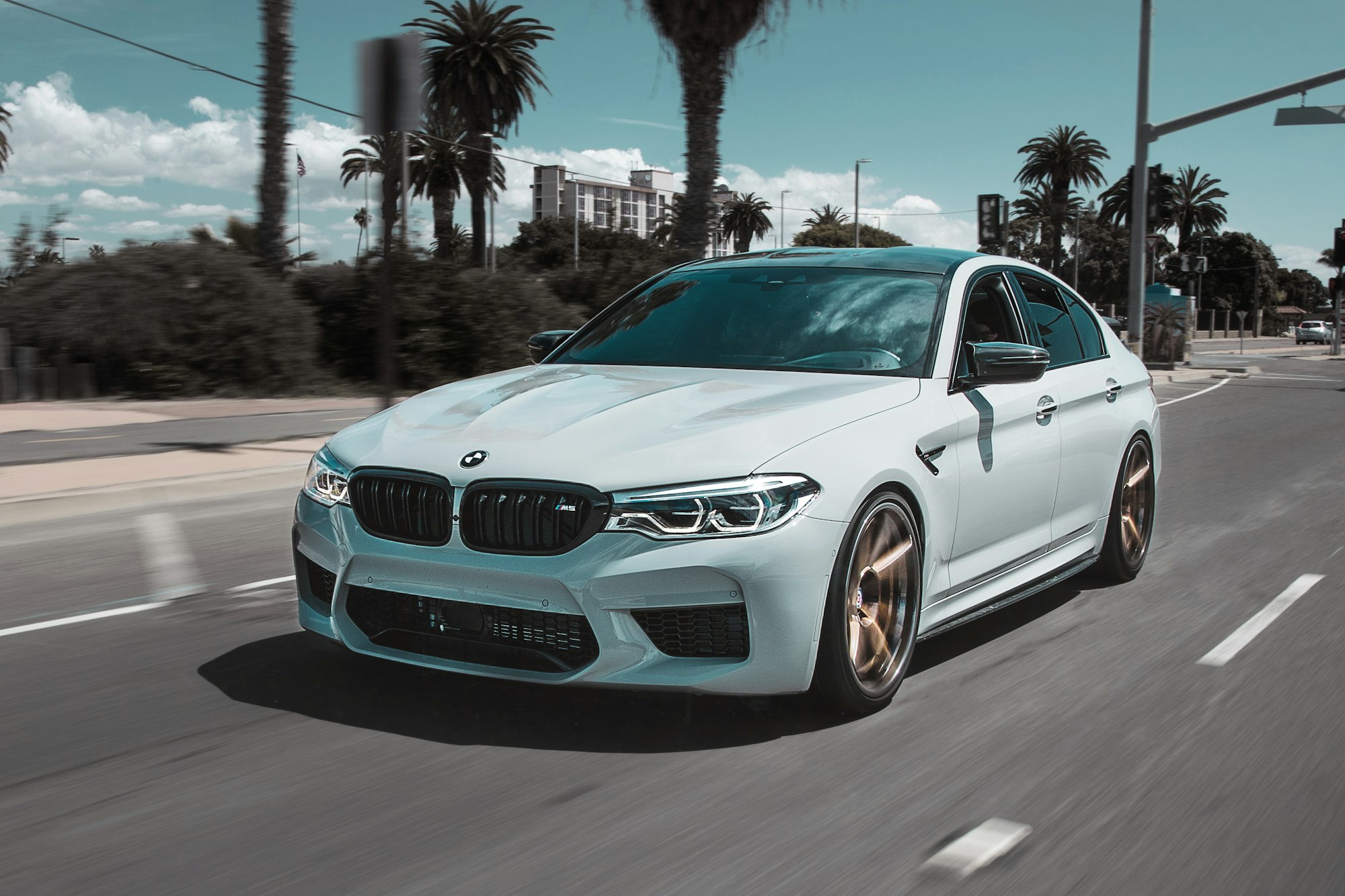
The affected companies include BMW, Volkswagen, Mercedes-Benz, Stellantis, and Renault, all of which export vehicles to the US market. A 25% tariff raises the landed cost of every European car sold in America, squeezing margins or forcing price hikes that reduce demand.
For context, when Trump threatened comparable tariff action in January 2026 over Greenland, DAX futures fell 1.1% and the Stoxx Europe 600 dropped 1.2% at the close that day, with European auto and luxury stocks absorbing the heaviest losses.
Today's announcement landed on May 1, when most major European exchanges are closed for the Labour Day public holiday. Full market pricing will occur Monday when European cash markets reopen.
Implications for Traders
Equity and futures traders: DAX futures and Stoxx Europe 600 futures are the most direct instruments to watch on Sunday evening and into Monday's open. German auto stocks (BMW, Volkswagen, and Mercedes-Benz) will face selling pressure. Stellantis trades in Amsterdam and Paris. US-listed ADRs for these companies may also see after-hours and pre-market moves. Broader US index futures could soften on escalating trade-war risk and its inflationary implications.
Stock traders with US auto exposure: US automakers like Ford and GM could see mixed reactions. They compete domestically with EU imports, so higher EU auto prices help their competitive position. However, retaliatory EU tariffs on US goods (a likely next step) could hurt US manufacturers with European sales exposure.
Currency traders: EUR/USD will be a live indicator of market confidence in a resolution. A sharp escalation typically weakens the euro as it raises the risk of a European economic slowdown. The dollar's response is less clear, given that higher tariffs are also inflationary for US consumers and complicate the Federal Reserve's rate path; see the recent hawkish Fed repricing as backdrop.
Fixed income and rates: Tariff escalation raises imported inflation risks in the US, which could harden the Fed's already-cautious stance on rate cuts. Bond traders will monitor whether this feeds into another round of hawkish Fed repricing.
Potential Positives vs Negatives
Potential positives:
- This may be a negotiating tactic. If the EU makes concessions before next week, the tariffs could be delayed or reduced, producing a fast relief rally in European auto stocks.
- US domestic automakers gain a short-term competitive edge if EU vehicles become more expensive for American buyers.
- A forced renegotiation could ultimately produce a more durable trade framework that markets price positively over the medium term.
Potential negatives:
- EU retaliatory tariffs on US goods are the most likely response if the 25% rate takes effect. That would pressure US exporters and add a new front to the global trade war.
- Higher car prices for US consumers are directly inflationary, which complicates the Federal Reserve's already-hawkish posture and delays any prospect of rate cuts.
- The announcement undermines confidence in US trade deal durability, raising the risk premium on any bilateral agreement the US negotiates with other partners.
- European economic growth is already under strain. A tariff shock of this size, concentrated in the auto sector, would pressure corporate earnings across Germany and France.
What Could Happen From Here
Base case: The 25% tariff takes effect next week as announced. European auto stocks drop sharply on Monday. The EU initiates a formal WTO dispute and prepares retaliatory tariff lists targeting US goods. Markets reprice EU growth expectations lower and US inflation expectations slightly higher. Eventual negotiations produce a revised deal over weeks or months.
Confirmation: Tariff effective date passes with no announcement of a delay or new talks. EU Commission announces a counter-tariff package. DAX falls more than 2% on Monday. Invalidation: Trump announces an extension or a new joint statement with von der Leyen before next week.
Upside case: The tariff announcement is leverage. Back-channel negotiations accelerate over the weekend, and a revised Turnberry framework is announced before the tariff kicks in. European auto stocks stage a sharp relief rally. EUR/USD bounces. US futures hold up as trade-war risk is repriced away.
Confirmation: A joint US-EU statement before the effective date, or a formal announcement of resumed negotiations. Invalidation: No contact between US and EU negotiators reported over the weekend.
Downside case: Full escalation. The EU retaliates with broad tariffs on US goods: agriculture, aerospace, and tech hardware. US equity markets sell off as S&P 500 companies with European revenue face margin pressure. The Federal Reserve faces a stagflationary squeeze: rising import costs and slowing growth simultaneously. Volatility spikes.
Confirmation: EU announces a retaliatory tariff list covering American goods exceeding $50 billion in trade. VIX moves above 25. Invalidation: EU signals it will pursue only WTO legal channels and hold off on tariff retaliation.
What to Watch Next (Next 24-72 Hours)
- EU official response: Any statement from European Commission President von der Leyen or EU trade commissioner over the weekend will set the tone for Monday's open.
- DAX and Stoxx futures Sunday evening: Watch for the magnitude of the selloff when futures markets open. A drop below 1.5% in DAX futures would signal that markets are pricing in full escalation rather than a negotiated pause.
- EUR/USD: Watch for a move below key support around 1.09-1.10. A sharp fall would confirm that traders see serious economic damage to the EU.
- US equity futures: Whether S&P 500 futures remain near last week's record close levels or begin to reprice trade-war risk.
- Trump social media: Watch for any softening or hardening of the tariff position. A mention of "great deal possible" or similar wording would be bullish for EU assets.
- Monday pre-market auto stocks: BMW, Volkswagen, Mercedes-Benz, Stellantis ADRs will show how aggressively institutional players are moving.
FAQ
What is the Turnberry Agreement?
The Turnberry Agreement is the informal name for the US-EU trade deal reached last July at Trump's golf resort in Scotland. It set a 15% tariff ceiling on most EU goods entering the US and was seen as a stabilizing framework for transatlantic trade. The deal's legal foundation was weakened by a Supreme Court ruling earlier in 2026, which reduced the effective tariff ceiling to 10%.
Why are European markets not reacting immediately?
Most major European stock exchanges (including the Frankfurt DAX, Paris CAC 40, and Milan MIB) are closed on May 1 for the Labour Day public holiday. The first full trading session in Europe will be Monday, May 4, when the market reaction will be fully visible.
Sources
- AP News: Trump says he'll place 25% tariff on autos from EU
- Reuters: Trump says he will raise tariffs on EU autos to 25%
- Bloomberg: Trump says US to raise tariff rate on EU cars, trucks to 25%
Knowing what happened is one thing. Knowing how to trade it is another. Build real skills, not bad habits. ChartDojo's AI-powered feedback shows you exactly where your entries, exits, and risk management can improve. Start your free trial today and turn every market catalyst into a learning edge.