
By Ulysses Cornelius. Market education, not financial advice. Source context is current as of 8:30 a.m. ET on Saturday, June 20, 2026.
TL;DR: Strait of Hormuz oil risk watch
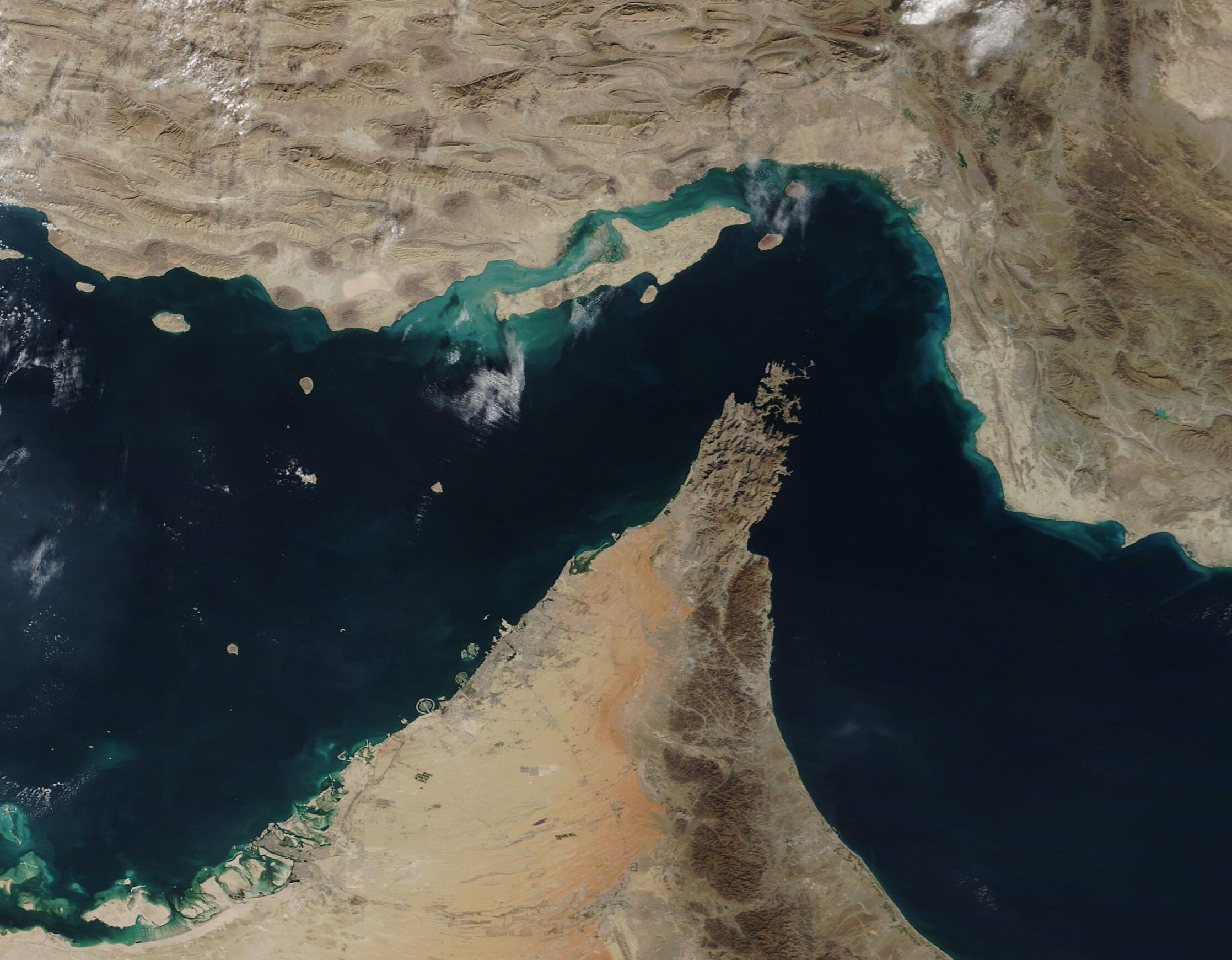
A June 20 advisory from the Joint Maritime Information Center says the Strait of Hormuz southern route is open for day or night transit with normal ship signals on. That does not mean the waterway is back to normal. The same advisory still cites mines, naval presence, congestion, and possible radio hailing. For traders, the immediate issue is whether this lowers the oil risk premium enough to pressure Brent and WTI when liquidity returns, or whether doubts around implementation keep futures volatile.
What happened in the Strait of Hormuz open signal
The Joint Maritime Information Center published Advisory Note 010-26 on Saturday, June 20, saying the maritime security threat level in the Strait of Hormuz is now moderate after announced U.S. and Iranian intentions to open the waterway. The advisory says ships may use the southern route during the day or night with automated identification systems, radar, running lights, and normal radio use.
The same notice keeps several warnings in place. Mariners should expect mine-clearing operations, naval presence, congestion through transit routes, and possible VHF hailing from naval forces. In plain English, the route is more usable than it was earlier in the crisis, but it is still a managed transit environment.
The Edge, carrying Bloomberg reporting, also reported the JMIC update Saturday and noted that coordination with the U.S. naval unit supporting the area is encouraged, though not mandatory. That is a different signal from earlier guidance that pushed vessels toward darker, more controlled transit behavior.
This is fresh enough to matter because recent ChartDojo coverage focused on tanker traffic improving after the U.S.-Iran deal and on delayed normalization while mines remained a constraint. This advisory adds a new operational detail: normal signals are now allowed on the southern route, and the formal threat level has been cut to moderate.
Why markets moved, and why they may move next
Oil traders have spent the week pricing two forces against each other. One side is the relief trade from a U.S.-Iran framework that could restore Gulf exports and shipping confidence. The other side is the unresolved physical risk around mines, transit rules, insurance, and regional military spillover.
MarketWatch reported Friday that Brent and WTI were still volatile around conflicting Strait of Hormuz reopening reports. Trading Economics data showed Brent near $80 after Friday trading, still far below the spring crisis highs but not fully normalized. That gap tells the story: the panic premium has faded, yet the market has not treated the route as ordinary.
For futures desks, the June 20 JMIC notice leans bearish for crude if shipowners, insurers, and Gulf producers treat it as credible. A smoother southern route can reduce delay risk and make it easier for refiners to plan arrivals. That can pressure prompt barrels and narrow some of the emergency premium built into energy contracts.
The risk is that Saturday headlines will be tested by physical behavior, not just official language. If ship tracking, port schedules, and insurer guidance do not confirm smoother movement, traders may fade the relief signal quickly. In our ChartDojo practice reviews, this is the kind of weekend catalyst where the best feedback usually focuses on execution discipline: define the invalidation point before the market opens, then avoid chasing the first thin-liquidity reaction.
Implications for the most impacted trader cohorts
Oil and energy futures traders: Brent, WTI, refined products, and freight-sensitive spreads are the first markets to watch. A credible easing in transit conditions can pull volatility lower. A failed reopening signal can do the opposite, especially if mine-clearing updates or regional strikes complicate the route again.
Equity index traders: U.S. stock futures may respond through inflation and margin channels. Lower crude can help the soft-landing trade by reducing fuel-cost pressure, while a renewed crude spike can revive concern over consumer spending and rate-cut timing.
Crypto traders: Bitcoin and ether are secondary assets in this catalyst. Weekend crypto can still react if the headline changes broad risk appetite, but the lead signal is oil. Crypto traders should be careful about mistaking macro beta for a crypto-specific breakout.
Potential positives vs negatives from this catalyst
Potential positives:
- A more usable southern route could reduce the emergency premium in crude and ease inflation pressure at the margin.
- Improved transit confidence may help energy importers, airlines, shippers, and consumer-facing equities.
Potential negatives:
- The advisory still points to mines, naval presence, congestion, and hailing risk, so a clean normalization trade may be premature.
- If traders price relief before physical flows confirm it, Monday futures could be vulnerable to a fast reversal.
What could happen from here (base / upside / downside scenarios over the next 24-72h)
Base case: Oil opens with a mild relief bias, then trades two-way as markets wait for physical confirmation from ship traffic and insurers. This is confirmed by steady vessel movement through the southern route and no new closure warnings. It is invalidated by reports that operators are still avoiding the route despite the advisory.
Upside case for risk assets: Brent and WTI soften as traders treat the JMIC update as evidence that the reopening process is becoming operational. Equity futures would likely benefit if lower crude reduces near-term inflation fear. This is confirmed by falling energy volatility and firmer index breadth. It is invalidated if crude rises even as official reopening language improves.
Downside case for risk assets: The advisory fails to calm markets because mine risk, congestion, or regional fighting dominates the next news cycle. Oil would keep a risk premium, and index futures could trade defensively. This is confirmed by higher front-month crude, wider product spreads, or fresh maritime warnings. It is invalidated by smooth transit reports from independent maritime trackers.
What to watch next (next 24h)
- Any follow-up from JMIC, UKMTO, CENTCOM, or Gulf authorities on mine clearing and route availability.
- Ship-tracking evidence of southern-route transit with AIS visible rather than vessels staying dark or delaying.
- Brent and WTI reaction when the next liquid futures session absorbs the advisory.
- Insurance, freight, and tanker-rate commentary, since those markets often confirm whether operators believe official guidance.
- Related diplomatic headlines around the U.S.-Iran framework and any renewed Israel-Hezbollah spillover.
FAQ
Does the JMIC advisory mean the Strait of Hormuz is fully normal again?
No. The advisory says the southern route can be used with normal signals, but it still warns about mines, naval presence, congestion, and possible hailing.
Why does this matter if oil futures are not in a regular weekday session?
Weekend operational news can reset expectations before futures reopen. Traders should prepare scenarios rather than assume the first move will be reliable.
Sources
- JMIC Advisory Note 010-26: Strait of Hormuz procedures
- The Edge / Bloomberg: ships can use Hormuz southern route with signals on
- MarketWatch: oil volatility around Hormuz reopening reports
- NASA MODIS: Strait of Hormuz image and route context
Recent ChartDojo context: Hormuz tanker traffic jumps after the Iran deal and Hormuz shipping risk as mine clearing delays oil normalization.
Build real skills, not bad habits. ChartDojo gives traders a structured place to practice decisions around fast-moving catalysts, with AI-powered feedback and a free trial available at https://chartdojo.io/register.