
By Ulysses Cornelius. Educational market analysis, not financial advice. Source context was checked at 5:48 a.m. ET on Saturday, August 1, 2026.
The stocks futures crypto week ahead for August 3-7 is a labor-market test after a divided Federal Reserve decision. ISM business surveys and JOLTS arrive before Friday's July employment report, while Palantir and AMD earnings keep the AI trade active. Oil and Bitcoin add a second read on inflation and risk appetite.
TL;DR
- The Federal Reserve held its target range at 3.50% to 3.75% on July 29, but three officials preferred a quarter-point increase. That split raises the sensitivity to labor data.
- ISM Manufacturing is due Monday at 10:00 a.m. ET. JOLTS follows Tuesday at 10:00 a.m. ET, then ISM Services arrives Wednesday at 10:00 a.m. ET.
- BLS schedules the July Employment Situation for Friday at 8:30 a.m. ET. Payrolls, unemployment, wages and revisions can move yields in different directions.
- Palantir reports Monday after the close and AMD reports Tuesday after the close, giving Nasdaq traders two direct tests of AI demand.
- WTI, Brent and Bitcoin remain useful confirmation markets as traders decide whether the week is about resilient growth or renewed inflation pressure.
Macro setup entering the week
Rates are the gatekeeper. The Fed's 9-3 vote kept policy unchanged, yet the three dissents favored a hike. ChartDojo's Fed decision breakdown explains why the disagreement matters. A firm labor report could strengthen the case for tighter policy. A weak report would shift attention toward growth risk.
The difficulty is that one headline cannot settle that debate. JOLTS measures job openings and worker turnover. Friday's report covers payroll growth, the unemployment rate and average hourly earnings. Traders will need the parts, not only the top line.
When we tested labor-report drills on chartdojo.io, the costliest mistake in our internal logs was treating the 8:30 headline as a complete signal. Revisions and wages often change the first interpretation. This week rewards a slower read.
Cross-asset positioning context (stocks, futures, crypto)
Stocks enter August with earnings support in parts of large-cap technology, but higher rate sensitivity remains a constraint. S&P 500 and Nasdaq 100 futures need stable Treasury yields for an earnings beat to carry beyond one session. Palantir and AMD will also test whether AI spending still supports valuations after the latest mega-cap reports.
Rates futures and the dollar sit closest to the labor data. Strong hiring paired with firm wages would make the Fed's hike dissenters harder to dismiss. Softer hiring with contained wages could steady bonds, unless the data become weak enough to trigger recession concern.
Bitcoin still trades through the liquidity channel. The recent Bitcoin risk map after the divided Fed showed how rates and oil can pull crypto in the same risk-off direction. A softer dollar would help, but BTC also needs spot demand and calmer futures positioning.
Oil has its own weekend catalyst. WTI and Brent fell Friday as recovering Strait of Hormuz traffic reduced part of the supply premium. The ChartDojo Hormuz update gives the background. If shipping recovery continues, lower crude may ease inflation concern. A new disruption would reverse that relief.
Key catalysts to monitor this week
- Monday, August 3: ISM Manufacturing at 10:00 a.m. ET, followed by Palantir results after the close.
- Tuesday, August 4: June JOLTS at 10:00 a.m. ET and AMD results after the close.
- Wednesday, August 5: ISM Services at 10:00 a.m. ET and the EIA Weekly Petroleum Status Report.
- Thursday, August 6: Second-quarter productivity and costs at 8:30 a.m. ET, alongside weekly jobless claims.
- Friday, August 7: The July Employment Situation at 8:30 a.m. ET. Watch payrolls, unemployment, wages and prior-month revisions.
Scenario map (base / bullish / bearish): what could happen from here
Base case
Business surveys show steady activity, job openings cool without collapsing and Friday's report keeps the Fed debate open. Yields stay firm but orderly. Stocks remain selective, while Bitcoin holds a broad range. Confirmation would be stable credit markets and no renewed oil spike. This case weakens if wages or revisions force a sharp rate repricing.
Bullish case
Hiring remains healthy while wage pressure cools. ISM data avoid a contraction signal, and AMD or Palantir guidance supports AI demand. Treasury yields settle, stock breadth improves and Bitcoin responds to a softer dollar. Confirmation would be gains extending beyond a few technology names. This case fails if long yields rise despite the softer wage signal.
Bearish case
Labor demand and wages run too hot for a market already facing three Fed hike dissents. Yields and the dollar rise together, equity multiples compress and Bitcoin loses support. A separate growth-scare version appears if payrolls weaken sharply and ISM surveys deteriorate. Confirmation would be weaker stock breadth with defensive sectors outperforming. This case fades if bonds absorb the data without stress.
Potential positives vs negatives for each major asset bucket in focus
Stocks and equity futures: Cooler wages with stable hiring would support the S&P 500 and Nasdaq 100. A strong rate response could outweigh good earnings, especially in expensive growth shares.
Rates and the dollar: Softer labor demand may support Treasury prices and reduce pressure on rate-sensitive assets. Firm wages or a strong services reading could lift yields and the dollar.
Bitcoin and crypto: Stable yields, a softer dollar and controlled futures use would help BTC. A renewed macro squeeze would expose crowded positions and weaken the case for chasing an early bounce.
Oil and energy futures: Continued Hormuz traffic recovery would remove more supply premium from WTI and Brent. Fresh shipping trouble could lift crude and complicate the inflation message from the labor data.
What traders should watch each day: what to watch next
- Sunday evening: Check WTI, Brent, S&P 500 futures and Bitcoin for the first reaction to weekend shipping news.
- Monday: Watch the yield response to ISM Manufacturing, then see whether Palantir changes the AI software trade after the close.
- Tuesday: Compare the JOLTS reaction across the two-year Treasury yield and Nasdaq futures. AMD becomes the after-hours focus.
- Wednesday: Read ISM Services through prices and employment components. Use the EIA report to judge whether oil is easing or restoring inflation pressure.
- Thursday: Productivity and unit labor costs can alter the wage story before payrolls. Review positions before Friday's release.
- Friday: Let payrolls, unemployment, wages and revisions settle before treating the first move as confirmation.
Risk management checklist
- Write every scheduled release time into the plan before the session begins.
- Reduce size when one data print can invalidate the trade.
- Separate the headline payroll reaction from the wage and revision details.
- Use Treasury yields and the dollar as confirmation for index-futures and crypto trades.
- For AMD or Palantir, account for overnight gaps before holding through results.
- Set oil invalidation levels before a shipping headline changes the tape.
FAQ
Why can a strong jobs report hurt stocks?
Strong hiring can support earnings expectations, but it may also keep wages and inflation firm. After three Fed officials voted for a hike in July, the rate response may matter more than the payroll headline.
What should crypto traders watch around payrolls?
Start with the dollar and Treasury yields. Then check whether Bitcoin's move is supported by spot trading or driven by futures liquidations. A fast move with weak confirmation can reverse.
Build real skills for a labor-data week
Build real skills, not bad habits. ChartDojo lets traders rehearse data-day scenarios and review decisions with AI-powered feedback before the next headline tests their discipline. Start a free trial at chartdojo.io/register.
Sources
- Federal Reserve: July 29, 2026 FOMC statement
- Bureau of Labor Statistics: 2026 release schedule
- Institute for Supply Management: report release calendar
- Energy Information Administration: Weekly Petroleum Status Report
- CNBC: Market outlook for August 3-7, 2026
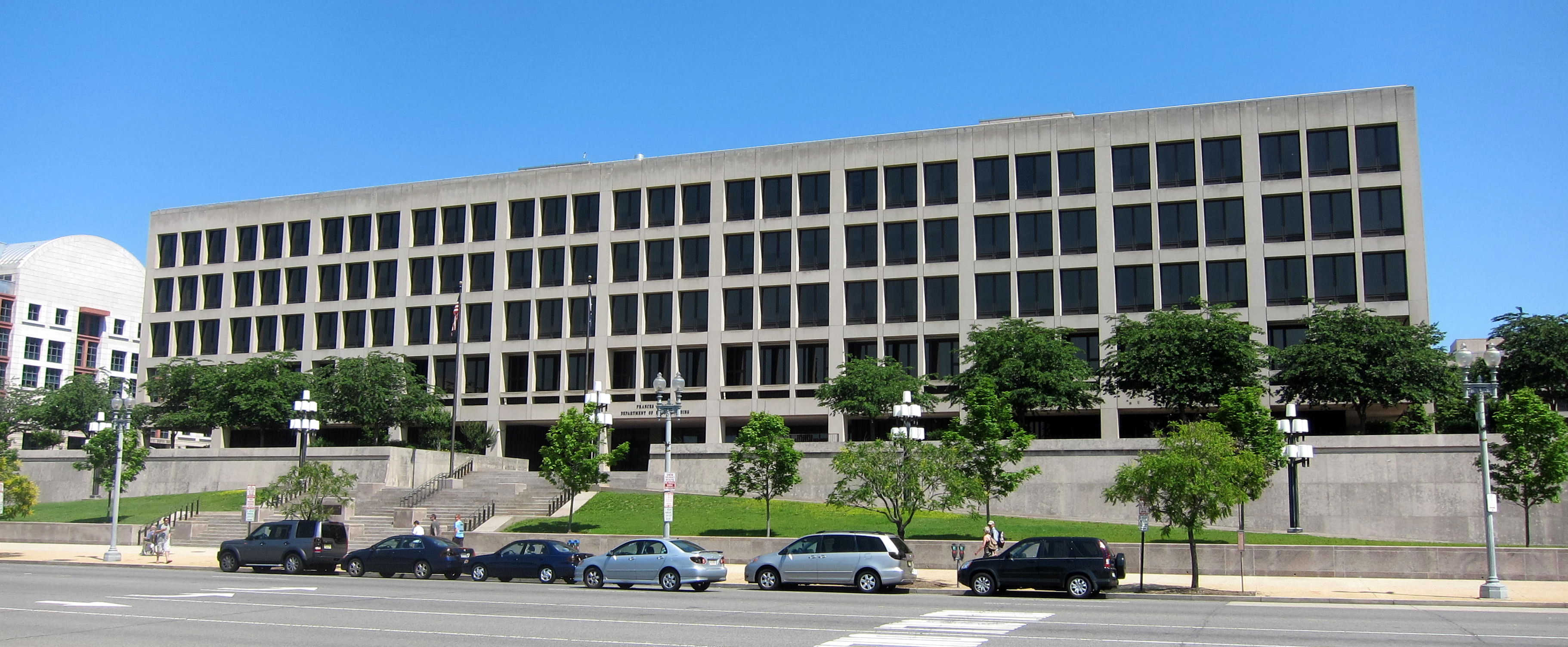
Feature image: U.S. Department of Labor headquarters in Washington, D.C. Photo by AgnosticPreachersKid, via Wikimedia Commons, CC BY-SA 3.0.