
TL;DR
- US equity futures, Treasuries, and crypto opened the week higher as oil dropped on the US-Iran deal, with Brent fading below $80 and WTI tracking lower into the cash session, per Bloomberg and BBC reporting Monday morning.
- The 10-year Treasury yield is grinding lower as the bond market digests an easing energy shock and a calmer geopolitical backdrop, per Bloomberg's June 15 markets coverage.
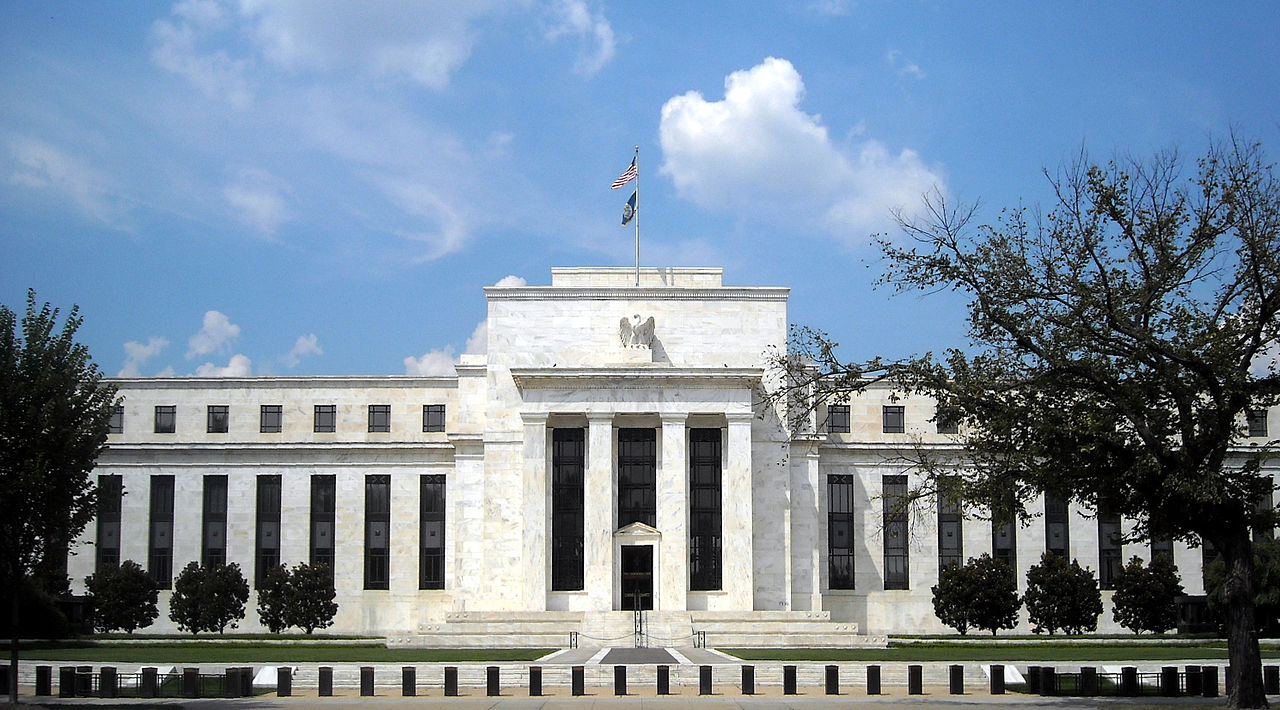
- The next major catalyst is Kevin Warsh's first FOMC decision on Wednesday June 17, where traders are weighing whether the Fed leans dovish on falling oil or stays cautious on sticky services inflation.
What happened: cross-asset rally meets a fresh Fed test
US equity futures climbed overnight and held the gains through Monday's premarket as the US-Iran deal, confirmed over the weekend, removed a meaningful tail risk from the oil tape. Brent traded below $80 a barrel and WTI dropped under that level as traders priced in the prospect of normalized flows through the Strait of Hormuz. BBC News reported that shares jumped and oil prices fell as the deal was announced, and Bloomberg's markets wrap noted that stocks and bonds rallied together as the risk premium attached to the conflict came out of the tape.
The bond market response is the part that deserves the most attention. The 10-year Treasury yield is drifting lower as traders unwind the inflation premium that had been embedded in the long end during the recent oil spike. Bloomberg's bond market coverage on Monday emphasized caution rather than euphoria, reflecting traders' awareness that lower oil takes one inflation source off the table but does not change services-price stickiness on its own.
The setup heading into Tuesday's cash session is constructive but conditional. Lower oil eases inflation pressure, but Kevin Warsh's first FOMC decision on Wednesday now sits as the most important short-term catalyst. The June meeting is his maiden statement, and any hint about how he reads the inflation glide path could move both ends of the Treasury curve fast.
Why markets moved: oil down, risk premium out
The Iran deal removes three premiums at once. The first is the oil premium that built into Brent and WTI during the Hormuz risk period. The second is the volatility premium that pushed implied vol in stock and oil options higher. The third is the risk-off bid in the dollar and the front end of the Treasury curve that traders use as a hedge against a sudden energy spike.
With Brent below $80 and the geopolitical headline tape calmer, those premiums are bleeding out simultaneously. That is why equities, Treasuries, and Bitcoin can rally together. The rally is not a one-asset story; it is a synchronized repricing of risk.
The same chain of logic is what makes Wednesday's FOMC the next pressure point. If lower oil pulls headline inflation prints lower over the next two reports, the Fed has more room to ease later in 2026. If services inflation stays sticky, Warsh may signal patience and pull some of the easing premium out of the front end. Traders are not yet positioned heavily for either outcome.
Implications for stock, futures, and crypto traders
Stock traders should expect index leadership to rotate as oil-sensitive names give back recent strength while rate-sensitive growth and small caps lead. Energy stocks face a tougher tape with Brent below $80, while homebuilders, regional banks, and software names can benefit from lower long-end yields. In our internal logs on chartdojo.io, we have observed that pre-FOMC weeks tend to compress single-stock dispersion as traders de-risk into the decision, so a quiet midweek inside the cash session would not be unusual.
Futures traders should watch the front-end rate complex closely. Fed Funds futures are pricing a meaningful chance of a no-change decision Wednesday with an open door to easing later in the year. SOFR futures further out the curve have been steepening as the long end falls faster than the front end. A clean Warsh statement that endorses the easing-bias path would steepen the curve further; a more cautious statement could flatten it back hard.
For crypto traders, Bitcoin has tracked the broader risk rally and now sits with eyes on the Fed. BTC tends to be sensitive to liquidity expectations more than to single news headlines, so a dovish lean from Warsh would extend the move while a hawkish surprise would bring back the chop pattern that defined late spring. ETH, SOL, and the large-cap alt complex usually follow the BTC tape with higher beta when the dollar weakens.
Potential positives vs negatives heading into the Fed
On the positive side, traders get three constructive inputs into the Fed decision. First, oil is lower and stays lower for as long as the Iran deal holds. Second, the bond market is calmer, which reduces the risk of a disorderly long-end move during the press conference. Third, equity breadth has improved as Iran-deal beneficiaries broadened the rally beyond the megacap leadership of late May.
On the negative side, the Fed is being asked to take its first decision under a new Chair into a market that is leaning long risk. Any hawkish surprise lands on offside positioning. Services inflation remains the swing factor. And the Iran deal still carries implementation risk over the next two to three weeks, especially around tanker flows and any residual disputes that emerge during the formal signing process scheduled for Switzerland.
What could happen from here over the next 48 to 72 hours
Base case. Equity futures consolidate around current levels into Wednesday with limited drift. The 10-year yield trades in a tight range. Warsh delivers a balanced statement that leaves the door open to easing later in the year. Confirmation comes from a quiet Tuesday cash session with positive breadth and a 10-year yield that holds below recent highs. Invalidation comes from a sharp reversal in oil higher or a hawkish leak that pushes yields up before the decision.
Upside case. Equity futures grind higher into the decision as the bond market continues to ease. Warsh signals comfort with the disinflation glide path and opens the door to a faster easing cycle. Confirmation comes from a dovish dot plot, a softer Summary of Economic Projections, and a press conference that emphasizes patience on cuts rather than worry on inflation. Invalidation comes from any signal that the Fed sees the energy decline as transitory and is unwilling to act on it.
Downside case. Sticky services inflation and a hawkish lean from Warsh trigger a fast unwind of the long-end rally. The 10-year yield jumps and equity futures roll over. Confirmation comes from a press conference that highlights services inflation and a Summary of Economic Projections that shifts the dot plot higher. Invalidation comes from a balanced statement and dovish guidance on the timing of cuts.
What to watch next over the next 24 to 48 hours
- Front-end SOFR and Fed Funds futures pricing into Wednesday's 2 p.m. ET decision.
- 10-year Treasury yield behavior at the prior breakout level and through any cash-session volatility burst.
- Brent and WTI follow-through below $80, and any tanker-flow updates around Hormuz that confirm the deal is holding.
- Equity breadth indicators including the advance-decline line and small-cap relative strength.
- Bitcoin behavior around the $65,000 to $66,000 zone and the BTC dominance reading as the Fed approaches.
FAQ
Q: Why are stocks and bonds rallying together right now?
A: The Iran deal removed the energy and geopolitical risk premium at the same time. Equities reprice higher on the lower risk premium, and bonds reprice higher because lower oil reduces near-term inflation pressure. Both moves are reactions to the same catalyst.
Q: How important is Kevin Warsh's first FOMC decision?
A: It is one of the most-watched first decisions in years because Warsh is a new Chair, the inflation picture is mixed, and the market is leaning long risk. Any surprise in tone or in the dot plot lands on positioned traders, so the volatility around the statement and press conference is likely to be heavier than usual.
Sources
- BBC News: Oil prices fall and shares jump after US-Iran deal announced
- Bloomberg: Stocks and Bonds Rally as Oil Falls on Iran Deal: Markets Wrap
- Bloomberg: Bond Market Reacts Cautiously to Iran Deal
- CNBC: US-Iran deal explained: What we know and what remains unresolved
Related ChartDojo coverage
- Kevin Warsh First FOMC Meeting: June 2026 Trader Preview
- WTI Crude Below $80 on Iran Deal: Commodity Cascade Hits Aluminum, Copper, and Crops
- US-Iran Peace Deal Reached: Pakistan Confirms June 19 Switzerland Signing
This article is educational analysis only and is not financial advice.
Sharpen the playbook on ChartDojo
Cross-asset rallies into a Fed decision are exactly the kind of moment where positioning, not prediction, decides outcomes. ChartDojo lets you practice on real market scenarios with AI-powered feedback so you build real skills, not bad habits. Start your free trial at chartdojo.io/register.
Header image source: wikimedia commons by AgnosticPreachersKid. License: CC BY-SA 3.0.
