
By Ulysses Cornelius
TL;DR
- Stock futures oil reversal is the morning setup: CNBC reported S&P 500 futures up 0.5%, Nasdaq-100 futures up 1% and Dow futures up 203 points as crude came off its highs.
- CNBC also reported Brent at $88.47 and WTI at $82.36 after both erased earlier gains tied to U.S.-Iran and Strait of Hormuz risk.
- Crypto is not confirming the equity bounce. CoinDesk reported bitcoin down 1% since midnight UTC while Nasdaq 100 and S&P 500 futures advanced.
- This Market Open Risk Map treats oil, chip stocks and bitcoin as the main tells for whether risk appetite is real or just a premarket reset.
- This article is educational and is not financial advice.
What happened: stock futures oil reversal before the open
Stock futures oil reversal is the cleanest market-open phrase for Monday morning. CNBC reported at 7:58 a.m. ET that U.S. equity futures were higher to start the week as oil prices fluctuated after the latest U.S.-Iran military exchanges. The report said S&P 500 futures advanced 0.5%, Nasdaq-100 futures rose 1%, and futures linked to the Dow Jones Industrial Average added 203 points, or 0.4%.
The important shift is that crude no longer looks like a one-way squeeze. In a separate CNBC oil report, Brent crude for September delivery was last seen 0.4% higher at $88.47 a barrel after moving above $90 earlier in the session. U.S. West Texas Intermediate, or WTI, was down 0.2% at $82.36 after erasing gains.
Iran's Foreign Ministry spokesman Esmail Baghaei said talks with the U.S. could be pursued based on national interests, according to CNBC. That helped pull crude away from its highs, even though the broader conflict risk has not gone away. CNBC also reported that U.S. Central Command said strikes would continue against Iranian military capabilities used to attack commercial vessels and civilian mariners transiting the Strait of Hormuz.
That leaves traders with a mixed open rather than a simple risk-on signal. Stocks are leaning higher, oil is still lift, and the crypto tape is cautious. In ChartDojo's internal catalyst logs for chartdojo.io this morning, the setup changed from "oil shock" to "risk check" once crude faded but Nasdaq futures kept climbing. That is the useful distinction for traders heading into the cash session.
Why markets moved
Equity futures improved because the worst version of the morning oil spike did not hold. When Brent crosses $90 on Hormuz headlines, traders have to price fuel inflation, margin pressure and possible consumer stress. When Brent falls back below that level, some of that pressure eases, at least for the next few hours.
The chip-stock read-through matters because Nasdaq futures are carrying the stronger move. CNBC's live market coverage said chipmakers were trading higher and giving U.S. equities a boost. A technology-led rebound after last week's pressure can support index futures even when macro headlines remain messy.
Oil is still the risk control. The Strait of Hormuz is watched because the U.S. Energy Information Administration says oil flow through the strait averaged 20 million barrels a day in 2024, equal to about 20% of global petroleum liquids consumption. Even a partial shipping slowdown can change inflation expectations before official supply data catches up.
Crypto is sending a less confident message. CoinDesk reported that bitcoin fell 1% since midnight UTC while Nasdaq 100 and S&P 500 futures gained. It also reported a Fear and Greed score of 34, with average crypto relative strength index near 44. Relative strength index, or RSI, is a momentum gauge many traders use to judge whether buying or selling pressure is stretched.
Implications for the most impacted trader cohorts
Stock and index-futures traders should watch whether the Nasdaq lead survives the open. A firm Nasdaq with semiconductors participating would suggest dip buyers are willing to separate earnings and AI demand from the oil shock. If that leadership fades while crude firms, the premarket bounce becomes easier to fade.
Energy traders have a different problem. Brent slipping from above $90 does not erase the risk premium. It only says traders are no longer chasing the first headline. New CENTCOM, UKMTO or Iranian statements can still move crude sharply, especially if they point to vessel damage, insurance stress or disrupted tanker flow.
Crypto traders should avoid assuming that higher stock futures automatically support bitcoin. CoinDesk's reporting shows bitcoin lagging even as equity futures rise. If Treasury yields climb with oil, bitcoin may trade more like a high-beta risk asset than a hedge.
Rates and gold traders are watching the same cross-current. Softer crude would reduce the inflation scare and may cap Treasury yields. A fresh Hormuz headline could do the opposite, lifting gold while pressuring rate-sensitive growth shares.
Potential positives vs negatives from this catalyst
Potential positives: The constructive path is a controlled open. Oil stays below its overnight high, chipmakers hold their bid, and crypto stops sliding. That would tell traders the market is absorbing the geopolitical headline without treating it as a new inflation break.
Potential negatives: The risk is a second oil impulse during U.S. hours. If Brent retakes $90 while bitcoin remains weak and Treasury yields rise, the morning bounce would look fragile. Airlines, transports and consumer-sensitive shares would be the first equity groups to test that pressure.
What could happen from here
Base case
The base case is choppy but orderly trading. S&P 500 futures convert into a modest cash-session gain, Nasdaq keeps a leadership edge, and Brent holds in the high-$80s. This path is confirmed if crude stays below the overnight high and breadth improves beyond chips. It is invalidated if crude rises back above $90 and index gains narrow to a few mega-cap names.
Upside case
The upside case needs confirmation from risk assets beyond equities. Bitcoin stabilizes above the morning low, gold stays quiet, and Treasury yields avoid a new push higher. That would make the oil fade more credible. It would be invalidated by renewed Hormuz claims or any verified shipping disruption.
Downside case
The downside case is a failed open. Nasdaq futures give back the premarket move, oil climbs again, and crypto keeps lagging. Confirmation would be weaker market breadth, rising crude, higher yields and a stronger dollar. In that mix, traders would likely shift from dip-buying to capital preservation.
What traders should watch next
- Brent around $90 and WTI around the low-$80s during the first two hours of U.S. trading.
- Nasdaq breadth, especially whether semiconductor strength expands or fades.
- Bitcoin reaction near $64,000 and whether crypto continues to diverge from equities.
- Treasury yields, because an oil-led yield rise would pressure growth stocks.
- Official shipping and military updates tied to the Strait of Hormuz.
FAQ
Why can stocks rise when oil is still lift?
Stocks can rise when traders believe the oil move is stabilizing or when a strong sector, such as semiconductors, offsets macro stress. The risk is that the bounce can reverse quickly if crude starts climbing again.
Why is bitcoin lagging stock futures?
CoinDesk reported bitcoin slipped while equity futures advanced, which points to weaker crypto risk appetite. Bitcoin can lag when use demand is low, options traders are cautious, or macro uncertainty keeps buyers selective.
Sources
- CNBC: Stock futures are higher as oil reverses gains and chipmakers rise
- CNBC: Oil prices erase gains after Iran says U.S. talks could be pursued
- CoinDesk: Crypto slips even as U.S. equity futures advance
- U.S. EIA: Strait of Hormuz remains a critical oil chokepoint
Related ChartDojo coverage: Brent crude $90 Hormuz vow hits oil futures and Oil jumps as U.S.-Iran strikes reach ninth night.
Build real skills, not bad habits. ChartDojo gives traders structured practice with AI-powered feedback, so you can rehearse market-open decisions without turning every live session into tuition. Start a free trial at chartdojo.io/register.
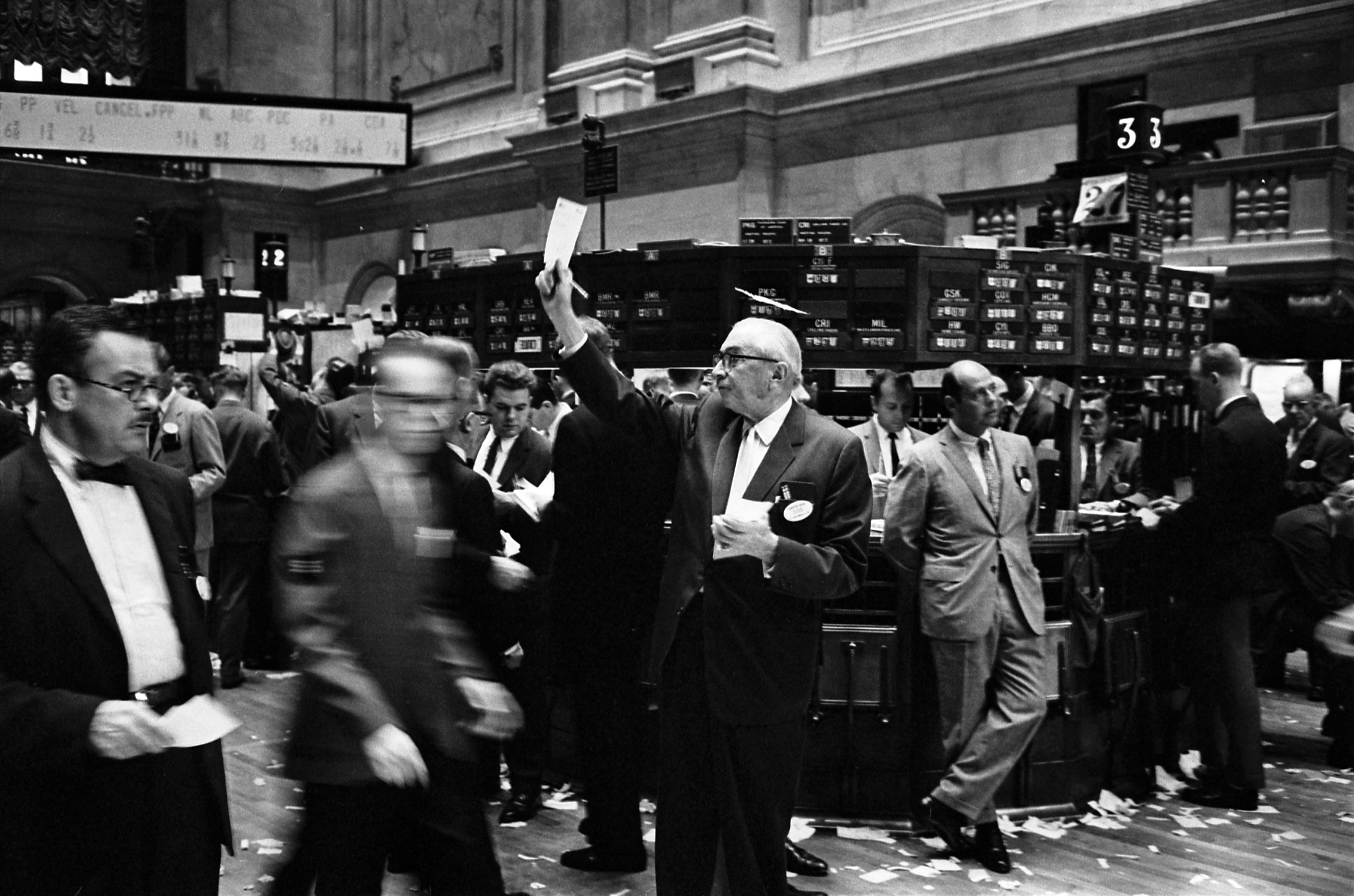
Header image source: Wikimedia Commons, Library of Congress. License: public domain.
