
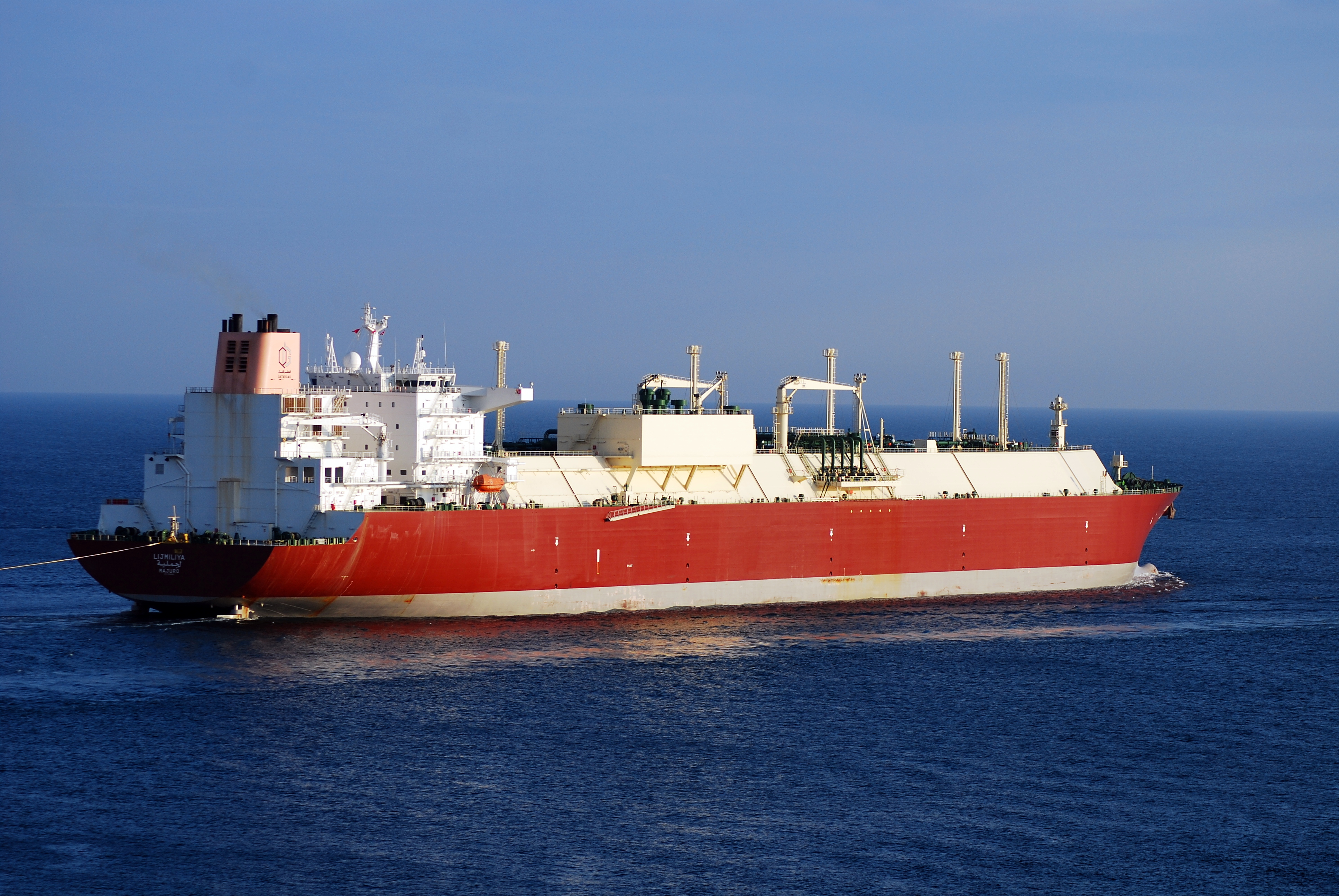
Qatar LNG vessels turned back from the Strait of Hormuz on Monday, giving traders a fresh reason to keep a natural-gas and oil risk premium in place even as ceasefire headlines pulled crude off its highs. Reuters reported that two loaded QatarEnergy-linked LNG tankers, Al Daayen and Rasheeda, reversed course after moving toward the strait. Bloomberg separately flagged Qatar LNG vessels making a U-turn after attempting to pass Hormuz. As of around 12:10 UTC on April 6, the signal for traders is simple: diplomatic headlines may be softening sentiment, but physical export normalization still looks fragile. That matters for natural gas, oil, shipping, inflation, and headline-sensitive stock futures. This is market education, not financial advice.
TL;DR
- Reuters reported that two loaded LNG tankers from Ras Laffan, Qatar, turned back after moving toward the Strait of Hormuz.
- Bloomberg separately identified the same development as a Qatar LNG vessel U-turn after an attempt to pass through Hormuz.
- The U.S. Energy Information Administration said about 20% of global LNG trade transited Hormuz in 2024, primarily from Qatar.
- For traders, this is a physical-flow warning. Even if ceasefire talk cools crude intraday, real energy logistics are still not back to normal.
What happened
The most important new detail is not another diplomatic rumor. It is a shipping signal. Reuters said the vessels Al Daayen and Rasheeda, both loaded in late February at Ras Laffan, moved eastward toward the Strait of Hormuz and then turned back. Had they crossed successfully, Reuters said it would have been the first transit of loaded LNG cargoes through the waterway since the U.S.-Israel war with Iran began on February 28.
That distinction matters. Reuters also noted that an empty Japanese LNG tanker, Sohar LNG, had crossed the strait earlier, according to Mitsui O.S.K. Lines. An empty vessel passage is operationally useful, but it does not prove buyers and exporters are ready to resume full-scale loaded cargo movement through a still-contested corridor. Monday's reversal suggests the market's first real test of loaded LNG normalization failed.
Bloomberg's markets coverage pushed the same story one step further by describing Qatar LNG vessels making a U-turn after trying to pass through Hormuz. Put differently, this was not just another abstract warning about supply risk. Traders got a live example of how difficult it still is to move real cargo.
Why Qatar LNG vessels at Hormuz moved markets
The core reason is scale. The EIA said that in 2024 about 20% of global LNG trade moved through the Strait of Hormuz, primarily from Qatar. It also said Qatar alone exported roughly 9.3 billion cubic feet per day of LNG through the strait, with 83% of Hormuz LNG flows heading to Asian markets. When loaded Qatari cargoes cannot complete a transit, traders are no longer looking at a hypothetical bottleneck. They are looking at a real one.
That is why Monday's crude pullback did not erase the broader energy warning. Reuters said Brent was still around $108.39 a barrel and WTI around $110.21 at 1109 GMT as investors weighed ceasefire proposals against ongoing shipping disruption. CNBC described investors as trapped between a possible diplomatic off-ramp and a sharper escalation path, while also noting that traffic through Hormuz remained far below pre-war norms.
In plain English, markets are trying to price two truths at once. Headline risk may be improving at the margin, but the physical system still looks stressed. For oil and gas traders, that keeps front-end volatility alive. For equity traders, it means inflation pressure and margin risk have not disappeared just because crude backed off its morning highs.
Implications for the most impacted trader cohorts
Energy and futures traders: The loaded-cargo U-turn is a stronger signal than commentary about what might happen. It tells traders that the market still lacks confidence in real LNG transit. That can keep both oil and gas contracts sensitive to each vessel-tracking update rather than just diplomatic headlines.
Stock-index and sector traders: A prolonged LNG bottleneck does not only matter to gas importers in Asia and Europe. It can feed back into global inflation expectations, industrial input costs, shipping costs, and risk sentiment. U.S. index traders should keep watching the same spillover channels flagged in Stocks Futures Crypto Week Ahead: CPI, Fed, Oil and US Stocks Next Session: Nasdaq and Airlines Face Oil Test.
Cross-asset macro traders: Monday's tape is a reminder that ceasefire hope and energy stress can coexist. That creates a harder environment for simple one-way positioning. Rates, equities, and energy can all react to the same headline in different directions depending on whether traders focus on diplomacy or logistics.
Potential positives vs negatives from this catalyst
- Positive for oil and gas bulls: A failed loaded transit keeps the supply-risk premium alive and supports the case for continued volatility in the energy complex.
- Negative for oil and gas bears: Any sign of real shipping normalization could still compress that premium quickly, especially if diplomacy hardens into an enforceable deal.
- Positive for stock bulls: If this reversal proves temporary and later cargoes pass, markets could treat Monday's U-turn as a false start rather than a lasting supply shock.
- Negative for stocks and growth-sensitive sectors: If more loaded cargoes retreat, the world gets another reminder that the Hormuz disruption is still transmitting into real trade flows, not just headlines.
- Positive for tactical futures traders: Binary logistics signals can create clean short-term setups when the market is over-positioned for either normalization or escalation.
- Negative for complacent positioning: Monday showed that physical-flow evidence can break against the softer ceasefire narrative at any time.
What could happen from here
Base case: diplomacy talk keeps crude off the peak panic highs, but loaded LNG movements remain hesitant. What confirms it: more mixed headlines, a few selective vessel passages, and no clean run of loaded Qatari cargoes exiting Hormuz. What invalidates it: multiple loaded LNG cargoes completing transit without incident.
Upside case: the market gets evidence that a real shipping corridor is reopening. What confirms it: QatarEnergy-linked cargoes leave the Gulf, top-tier reporting shows broader traffic normalization, and oil and gas risk premia compress. What invalidates it: another retreat by loaded cargoes or fresh attacks tied to commercial shipping.
Downside case: Monday's U-turn becomes the template for other loaded vessels, deepening the message that the strait is still effectively unusable for core export flows. What confirms it: repeated reversals, harder rhetoric from Tehran or Washington, and renewed strength in oil alongside broader risk-off positioning. What invalidates it: a visible sequence of successful commercial passages and clearer ceasefire enforcement terms.
What traders should watch next
- Whether Reuters, Bloomberg, AP, or CNBC confirm more loaded LNG cargoes attempting to exit Hormuz, and whether they complete the transit.
- Whether Brent and WTI treat Monday's retreat as temporary noise or the start of a broader supply-risk repricing.
- Whether Asian and European gas benchmarks start reacting more aggressively to the idea that Qatari cargo normalization is slipping again.
- Whether U.S. stock-index futures keep leaning on ceasefire hope, or refocus on the inflation and cost implications of constrained energy flows.
- The key question for traders: are diplomatic headlines improving faster than physical shipping conditions, or is the market getting ahead of the facts?
Sources
- Reuters: Loaded Qatar LNG vessels retreat after nearing Strait of Hormuz
- Bloomberg: Qatar LNG vessels U-turn after attempt to pass through Hormuz
- Reuters: Oil prices fall after U.S. and Iran receive framework ceasefire proposal
- CNBC: Trump's Iran ultimatum and signals of a possible deal keep investors on tenterhooks
- EIA: About one-fifth of global LNG trade flows through the Strait of Hormuz
Build real skills, not bad habits. Start your free trial of ChartDojo for AI-powered feedback that helps you review trades and tighten execution when energy headlines start moving every market at once.
Header image source: devopstom via Wikimedia Commons, CC BY-SA 2.0.