
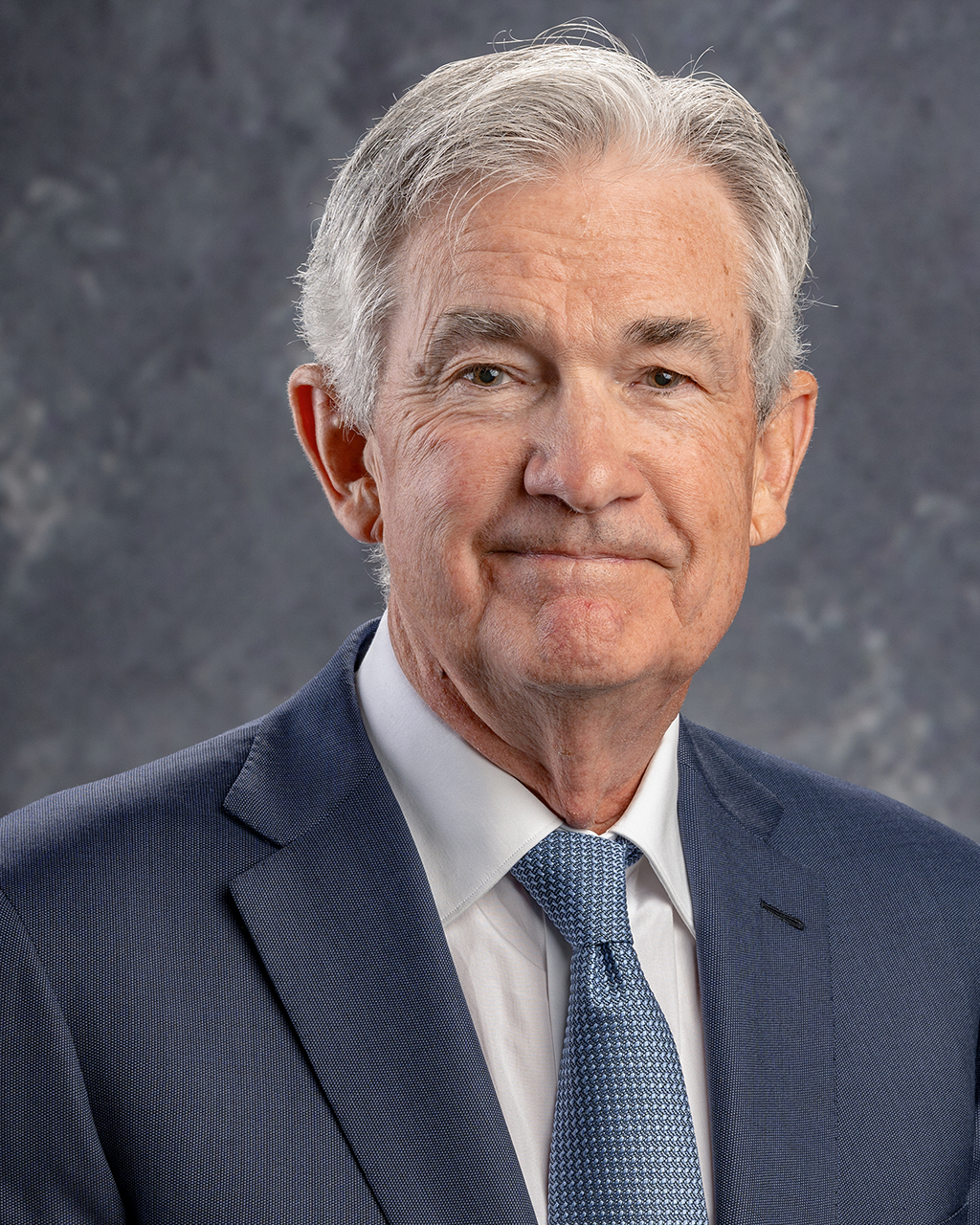
As of around noon ET on Monday, March 30, 2026, the clearest fresh market catalyst is no longer just higher oil from the Iran war. It is Jerome Powell's signal that the Federal Reserve is willing to wait rather than chase the energy shock with a quick rate increase. Reuters reported that Powell told a Harvard economics class the Fed can wait and see how the war affects growth and inflation. CNBC then reported that traders who had been assigning better than 50% odds to a quarter-point hike this year cut that probability to 2.2% after his remarks. AP separately reported that the 10-year Treasury yield eased to 4.33% from 4.44% late Friday while U.S. stocks stayed choppy instead of extending the prior panic. This is market education, not financial advice.
TL;DR
- Reuters said Powell told Harvard the Fed is in a good place to wait and see how the Iran war and higher oil prices affect the economy.
- CNBC said markets moved quickly after the speech, with year-end hike odds falling from better than 50% on Friday morning to 2.2% after Powell's appearance.
- AP said the 10-year Treasury yield fell to 4.33% from 4.44% late Friday, while the S&P 500 was up 0.2%, the Dow was up about 290 points, and the Nasdaq was slightly negative by late morning in New York.
- This matters because traders had spent days repricing the Iran war as an inflation shock that could force the Fed back toward hikes. Powell just pushed back on that fastest, most hawkish version of the story.
- The market is not getting an all-clear. Oil and gasoline are still high, but the Fed is signaling that a supply shock does not automatically mean an immediate policy response.
Powell Iran oil shock: what happened
ChartDojo's earlier coverage on Monday Market Open Risk Map and Trump Iran Oil Threat: Hormuz Ultimatum Raises Kharg Risk focused on the first-order shock: higher crude, geopolitical risk, and broad pressure on equities and cross-asset sentiment. Monday's fresh development is the second-order macro response.
Reuters reported that Powell said policymakers can wait to see how the Iran war affects the economy and inflation, adding that central banks typically look through supply shocks such as higher oil prices. CNBC matched that core message and quoted Powell saying the current policy range of 3.5% to 3.75% is a good place for the Fed to sit while it watches the impact of the war and tariffs. CNBC also reported that Powell explicitly warned against raising rates into a shock that monetary policy cannot quickly fix, because the oil spike could be gone by the time tighter policy hits the real economy.
That matters because the market had been moving the other way. Reuters reported earlier on Monday that rising gasoline prices, inflation worries, and higher Treasury yields were putting pressure on the Fed's confidence that inflation expectations would stay anchored. AP added that U.S. stocks were still swinging as oil kept climbing because investors remained unsure how long the war would last and whether Gulf energy flows would normalize soon.
In short, the macro setup changed from "oil shock means the Fed may need to hike" to "oil shock keeps inflation risk alive, but Powell is not ready to respond with a hike." That is a meaningful distinction for traders in stocks, futures, and rates.
Why markets moved
The first reason is policy transmission. Traders had been pricing a more hawkish Fed because oil and gasoline were feeding straight into inflation fears. Powell did not dismiss that risk, but he argued that supply shocks are different from demand-driven inflation. In plain English, a rate hike can cool demand over time, but it cannot reopen the Strait of Hormuz or quickly reverse a war-related jump in energy prices.
The second reason is expectations. CNBC said the market reaction was immediate because Powell's comments sharply reduced the perceived chance that the Fed would answer the current oil shock with a near-term hike. AP's bond-market read reinforced that message, with the 10-year yield falling back from Friday's level. Lower yields can relieve some of the valuation pressure that had been hitting long-duration equities and index futures.
The third reason is nuance. Powell did not sound fully dovish. Reuters said he acknowledged the Fed may eventually face harder choices if inflation effects prove larger or more durable. That helps explain why stocks stabilized rather than ripping higher. The speech lowered the odds of the most hawkish near-term path, but it did not erase the underlying energy and inflation problem.
Implications for the most impacted trader cohorts
Index and equity traders: this is mainly a relief story for the parts of the market that were being hit by rising yields as much as by oil itself. A calmer rates backdrop can help the S&P 500 and growth-heavy pockets of the market hold support, even if energy-sensitive names still dominate the tape.
Rates and futures traders: Powell just reminded the market that the Fed's reaction function is not mechanical. If the war remains a supply shock instead of becoming a broader wage-price spiral, the hurdle for a near-term hike looks higher than markets were pricing on Friday.
Oil and macro traders: the main geopolitical catalyst has not gone away. What changed is the path from oil to policy. That distinction matters because the same crude price can mean different things for risk assets depending on whether traders expect the Fed to lean against it.
Sector traders: lower yields offer some breathing room to rate-sensitive groups, but high fuel costs still threaten transports, consumer margins, and other industries that cannot easily pass costs through.
Potential positives vs negatives
- Potential positive: Powell has reduced the market's fear of an immediate hawkish overreaction to the Iran oil shock.
- Potential positive: easing Treasury yields can support equity valuations and give battered index futures a better chance to stabilize.
- Potential positive: if oil stops accelerating, traders may shift back toward a prolonged Fed hold instead of pricing another tightening scare.
- Potential negative: Reuters still reported rising gasoline prices and fragile inflation expectations, so the problem is delayed rather than solved.
- Potential negative: any fresh escalation around Hormuz, Kharg Island, or regional energy facilities could quickly push oil higher again and reverse Monday's relief.
- Potential negative: if inflation expectations keep drifting upward, the market may test whether Powell's patience can survive a longer-lasting energy shock.
What could happen from here
Base case over the next 24 to 72 hours: markets keep treating Powell's remarks as a brake on near-term hike fears, while oil remains elevated and headline-driven. Confirm: Treasury yields stay below Friday's highs, hike odds remain subdued, and the S&P 500 avoids another broad washout. Invalidate: oil surges again and traders start re-pricing a more hawkish Fed despite Powell's comments.
Upside case: geopolitical headlines cool, oil retraces part of the recent spike, and risk assets extend a relief bounce as the market leans back toward a Fed hold. Confirm: Brent gives back ground, equities broaden higher, and market pricing stays centered on no hike. Invalidate: a new military or shipping shock renews inflation fears.
Downside case: Powell's message proves temporary because the war keeps worsening and the energy shock broadens into a more durable inflation problem. Confirm: gasoline, oil, and inflation expectations keep climbing, and bond yields roll back higher. Invalidate: calmer commodity prices and no evidence of wider inflation spillover.
What to watch next (next 24h)
- Whether Treasury yields hold onto Monday's pullback or snap back higher.
- Whether oil prices keep rising despite Powell's attempt to calm the rates channel.
- Any new Fed commentary that either reinforces or softens Powell's wait-and-see stance.
- Whether the S&P 500 and Nasdaq start trading more off yields than off raw war headlines.
- Any U.S.-Iran or Hormuz update that would force traders to reprice the inflation risk again.
FAQ
Why did rate-hike odds fall so sharply after Powell spoke?
Because traders had started to assume higher oil prices would force the Fed to respond quickly. Powell pushed back, saying the central bank can wait and see rather than react immediately to a supply shock.
Does this mean the Iran war no longer matters for markets?
No. It means the policy channel changed for now. Oil, gasoline, shipping, and inflation expectations still matter. Powell simply lowered the odds that the Fed will answer those pressures with a fast hike right away.
Sources
- Reuters on Powell's Harvard remarks and the Fed's wait-and-see stance
- Reuters on rising gasoline prices and pressure on inflation expectations
- CNBC on hike odds collapsing after Powell's comments
- AP on yields easing and U.S. stock indexes staying volatile as oil climbed
Build real skills, not bad habits. If you want a clearer way to review trades, learn from market reactions, and sharpen execution, start your free trial of ChartDojo and get AI-powered feedback built for active traders.