
Nasdaq futures risk map conditions changed meaningfully into Friday's U.S. open. CNBC's live market coverage said Nasdaq 100 futures were up 1.2% and S&P 500 futures were up 0.3% as Intel surged after earnings, while oil pulled back after Reuters reported that Iranian Foreign Minister Abbas Araqchi was expected in Islamabad and that U.S.-Iran negotiations were likely. That does not mean the geopolitical risk is gone. AP's world-markets wrap still showed the broader backdrop as stalled talks, elevated oil, and mixed global equities. The tradable setup is a split tape: semiconductors are pulling the index higher, but oil and Middle East headlines still matter. This article is for educational purposes only, not financial advice.
TL;DR
- CNBC said Nasdaq 100 futures rose 1.2% and S&P 500 futures gained 0.3% before the open, while Dow futures were slightly lower.
- CNBC also said oil eased after Reuters reported Abbas Araqchi was expected in Islamabad and U.S.-Iran talks were likely, with Brent slipping below Thursday's spike and WTI down about 1%.
- Reuters search results showed Wall Street futures were mixed, with Intel's surge boosting the Nasdaq while the wider market stayed cautious because the U.S.-Iran stalemate had not clearly ended.
- CNBC's Intel earnings report said the stock jumped 20% after hours after adjusted EPS of 29 cents beat the 1 cent estimate and revenue of $13.58 billion beat the $12.42 billion estimate.
- AP's Friday world-markets coverage still showed global shares mostly lower, Brent having settled at $105.07 on Thursday, and the Strait of Hormuz backdrop still unresolved.
Nasdaq futures risk map
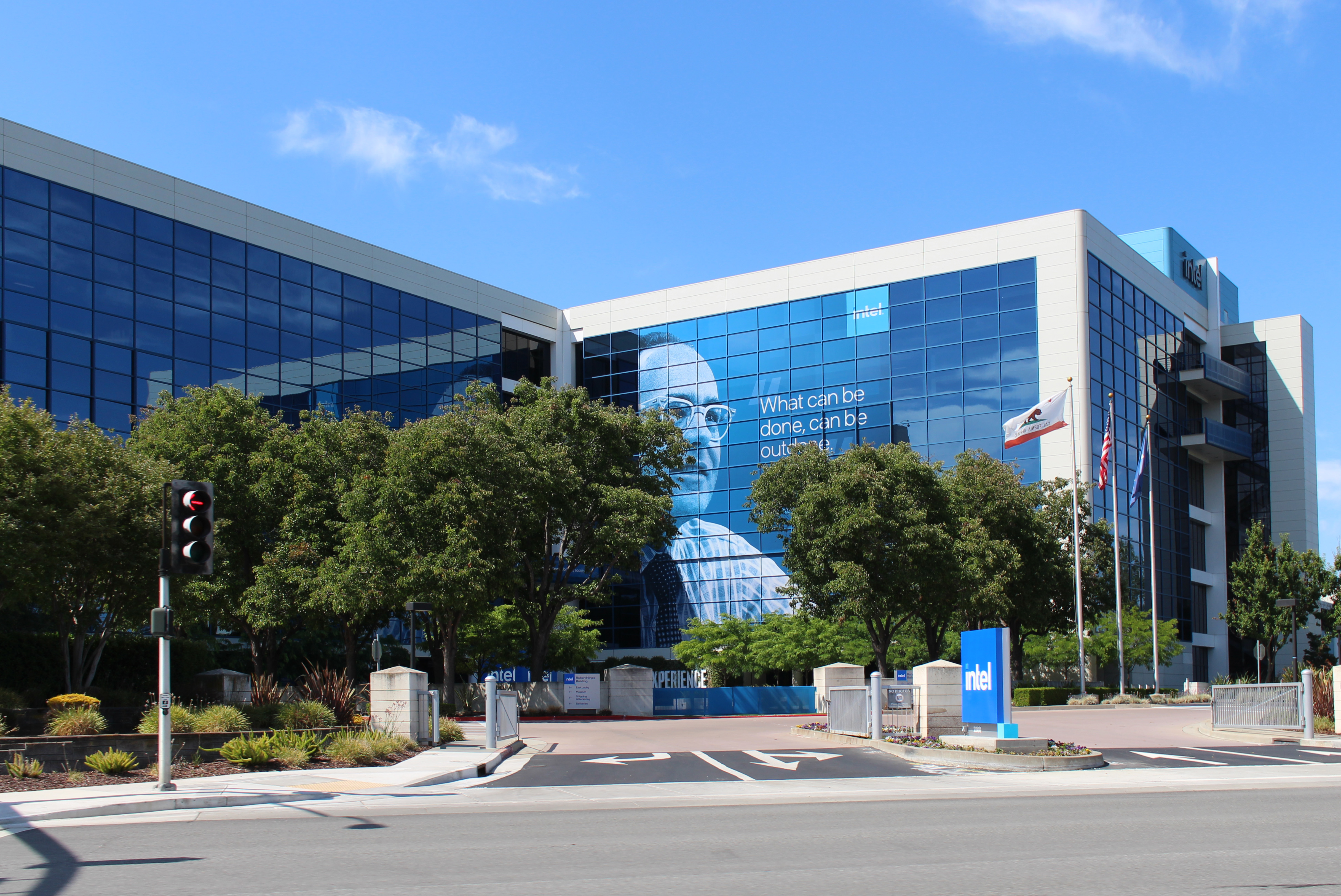
This morning's tape is not a clean risk-on breakout and it is not a straightforward oil panic either. It is a market open risk map built around two competing forces. The first is a sharp semiconductor-led lift from Intel. The second is a still-fragile Middle East backdrop that can quickly swing oil, futures, and broader sentiment.
CNBC's premarket coverage gave the clearest live snapshot. Nasdaq 100 futures outperformed, S&P 500 futures were modestly higher, and Dow futures were slightly negative. That divergence matters. It says traders were willing to buy the chip and AI-linked part of the market, but not yet ready to price in a broad all-clear for the entire index complex.
The oil side of the setup softened, but only partially. CNBC said Reuters had reported that Abbas Araqchi was expected in Islamabad and that negotiations were likely, which pushed WTI down about 1% and Brent down 0.7% in premarket trade. Even so, AP's broader market wrap still showed Brent had settled at $105.07 on Thursday after topping $107 intraday, which is a reminder that the energy shock has not disappeared. It has only paused.
This article builds on earlier ChartDojo coverage in Wall St Futures Slip as Oil Tops $100, Airlines Cut Outlooks, S&P 500 Record High Meets $100 Oil: Stock Market Risk Map, and Tehran Air Defenses Reported as Brent Oil Tops $105. The difference now is that the open is being shaped by a real semiconductor earnings jolt at the same time as oil is trying to cool on a diplomacy headline.
What happened
Intel delivered the clearest fresh catalyst. CNBC reported that the chipmaker beat expectations with adjusted earnings per share of 29 cents against a 1 cent estimate and revenue of $13.58 billion against a $12.42 billion estimate. The company also guided second-quarter revenue to a range above consensus, and the stock jumped about 20% after hours before rising even more in premarket trade.
At the same time, Reuters-driven diplomacy headlines started to take some heat out of crude. CNBC said oil pulled back after Reuters reported that Iran's foreign minister was expected in Islamabad on Friday evening and that U.S.-Iran negotiations were likely to occur. That mattered because the market has spent most of the last day pricing the opposite outcome: stalled talks, higher shipping risk, and a persistent oil premium.
AP's market wrap showed the broader context still leaned defensive earlier in the day. World shares were mostly lower, U.S. futures had been wavering, and Thursday's cash session ended with the S&P 500 down 0.4% and the Nasdaq down 0.9%. In other words, Intel improved the growth side of the tape, but it did not erase the macro stress that got the market here.
Why markets moved
The move makes sense once the market is broken into its main drivers. Intel mattered because semiconductors carry outsized influence in both the Nasdaq and broader risk sentiment. A strong result from a lagging giant can change the tone of an entire sector, especially when traders are already primed to reward AI and chip exposure.
Oil mattered for the opposite reason. Crude remains the fastest macro signal for whether traders think the Middle East situation is calming or worsening. When Reuters-linked diplomacy headlines hit, oil eased. When the market had only shipping-risk and stalemate headlines, oil stayed above $100 and dragged on equities. That is why the open is split. Tech is reacting to company-specific upside, while the rest of the market is still respecting the energy and inflation risk.
Reuters search results captured that tension well. Wall Street futures were mixed, with Intel boosting the Nasdaq, but the broader market remained on edge because the U.S.-Iran stalemate had not clearly been resolved. That is a healthy reminder that one strong earnings report can improve the tape without fully changing the macro regime.
Implications for the most impacted trader cohorts
Nasdaq and semiconductor traders: Intel has become the immediate leadership test. If the stock holds a large premarket gain after the open, traders may keep rewarding chip names and AI-adjacent equities. If the move fades quickly, the market may decide this was a one-name squeeze rather than a durable sector signal.
Index-futures traders: the key read is the divergence between Nasdaq futures and the other major contracts. A narrower leadership tape can still lift headline indices, but it is less durable than a broad risk-on move. Watch whether the S&P 500 starts to catch up or whether strength stays concentrated in tech.
Oil and macro traders: diplomacy headlines matter because they can remove part of the crude risk premium quickly. But AP's broader market picture and Thursday's settlement levels show oil is still elevated. That means inflation and growth worries can return fast if talks disappoint.
Potential positives vs negatives
Potential positives
- Intel's earnings beat gives the market a fresh, concrete corporate catalyst instead of only headline risk.
- Lower oil into the open relieves pressure on margins, inflation expectations, and airline or transport-sensitive equities.
- If Islamabad talks produce a credible de-escalation path, the market could extend the relief move beyond semiconductors.
Potential negatives
- The broader geopolitical story is not resolved, and one diplomacy headline can reverse quickly.
- A narrow semiconductor-led rally can fade if the rest of the market does not participate.
- Brent is easing from very elevated levels, not from calm conditions. Oil can reprice higher again on any setback around Hormuz or negotiations.
What could happen from here
Base case: Intel keeps semiconductors firm, Nasdaq outperforms, and oil stays off its overnight highs while traders wait for harder diplomacy confirmation. What confirms it: Intel holds most of its premarket gain, Nasdaq futures stay ahead of the S&P 500, and Brent remains below the latest spike zone. What invalidates it: Intel gives back the move quickly or fresh oil headlines push crude back toward Thursday's highs.
Upside case: the open broadens into a wider relief rally across stocks as diplomacy headlines keep improving and oil keeps fading. What confirms it: Reuters, CNBC, or AP report clearer negotiation progress, the S&P 500 joins the Nasdaq-led rebound, and cyclical sectors begin to participate. What invalidates it: oil stops falling or investors keep hiding in only a few semiconductor names.
Downside case: the Intel boost proves too narrow and geopolitical stress reasserts itself. What confirms it: Brent turns back up sharply, Reuters or AP report talks stalling again, and Dow or S&P futures weaken into the cash open. What invalidates it: stable crude, firmer breadth, and a clean hold in chip leadership after the opening hour.
What traders should watch next
- Whether Intel can keep its outsized premarket gain after the opening bell.
- Whether Nasdaq leadership broadens into the S&P 500 and Dow, or stays concentrated in semiconductors.
- Whether Brent and WTI keep easing on diplomacy headlines, or snap back higher.
- Whether Reuters, CNBC, or AP provide firmer confirmation on Islamabad talks rather than only expectation headlines.
- Whether Thursday's weak cash-session tone in the S&P 500 and Nasdaq gets reversed, or proves to be the more durable signal.
FAQ
Why are Nasdaq futures stronger than the rest of the market?
Because Intel's earnings beat is directly helping semiconductor and AI-linked stocks, which have a large influence on the Nasdaq. The Dow and broader market still have more exposure to sectors that are sensitive to oil and macro risk.
Why does the Islamabad headline matter so much for oil?
Because oil has been carrying a geopolitical risk premium tied to stalled U.S.-Iran talks and the Strait of Hormuz standoff. Any credible sign that talks may restart can reduce that premium, even if only temporarily.
Sources
- CNBC: S&P 500 futures gain as oil declines, Intel shares pop
- CNBC: Intel's stock soars 20% as results top estimates
- Reuters: Wall Street futures mixed as US-Iran stalemate keeps investors on edge
- Reuters: Iranian Foreign Minister heading to Islamabad, Pakistani source says
- AP: Stocks mostly decline as the Iran war standoff pushes oil prices higher
Header image source: Wikimedia Commons / Coolcaesar, CC BY-SA 4.0.

Build real skills, not bad habits. Start your free trial at ChartDojo and get AI-powered feedback on execution quality, risk discipline, and decision-making patterns.