
As of 01:00 UTC on March 30, 2026, traders have a fresh escalation to price on top of an already severe Gulf risk premium. The Financial Times reported that President Donald Trump said the United States could "take the oil in Iran" and might seize Kharg Island. Reuters carried that comment into its Asia markets report, which also showed Brent at $115.98, S&P 500 futures down 0.7%, and Nasdaq futures down 0.9%. This is market education, not financial advice.
TL;DR
- The Financial Times reported that Trump said the U.S. could "take the oil in Iran" and might seize Kharg Island, a core Iranian export hub.
- Reuters said the quote hit an already defensive market backdrop, with Asia stocks falling and Brent crude up 3.0% on the session and up 60% for March.
- CNBC separately reported Brent near $115.86 and WTI near $102.80, showing the market kept paying for energy disruption risk.
- Reuters also reported that an Indian worker was killed in an Iranian attack on a Kuwait power and desalination plant, widening the infrastructure-risk story.
Kharg Island risk watch: what happened
The key shift is that the Kharg option is no longer just an analyst thought experiment. Trump floated it directly in an interview with the Financial Times, saying his preference would be to "take the oil in Iran" and adding that "maybe we take Kharg Island, maybe we don't." Reuters then highlighted the remark in its Monday Asia markets wrap, which means traders had to digest the statement in real time alongside a fresh risk-off open.
That open was weak. Reuters reported Japan's Nikkei down 4.7%, South Korea's market down 4.2%, S&P futures off 0.7%, and Brent at $115.98. CNBC's Asia coverage showed the same pattern, with the Kospi down more than 5%, the Nikkei down 3.97%, and WTI up 2.58% at $102.19. The message was simple: markets did not treat the Kharg language as background noise.
The same overnight window also brought a second escalation marker. Reuters reported that an Indian worker was killed in an Iranian attack on a Kuwait power and desalination plant. CNBC said Kuwait activated contingency plans to keep electricity and water systems stable. So traders are not only looking at shipping and oil. They are starting to price the risk that critical Gulf infrastructure is becoming a more direct target set.
Why markets moved
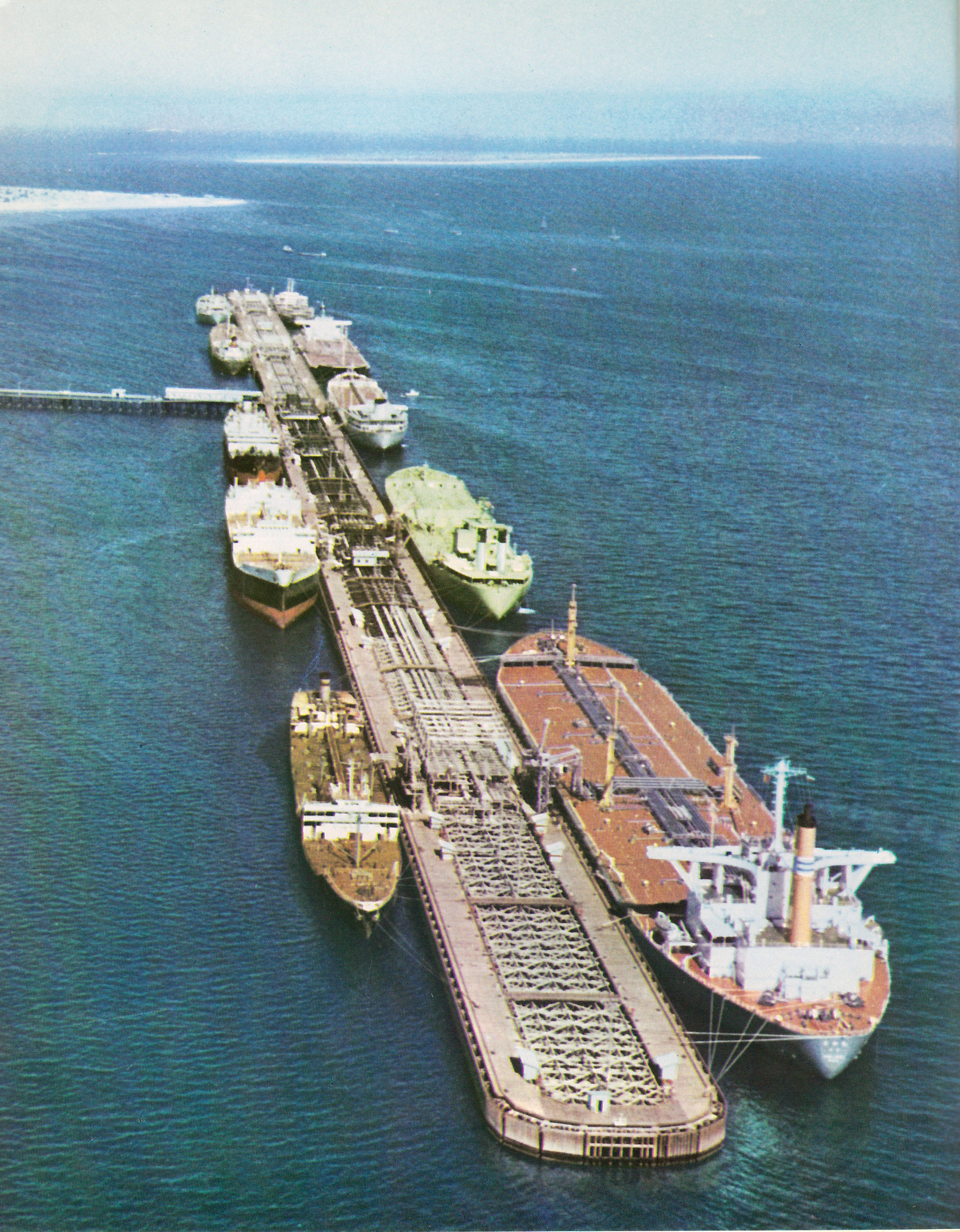
Markets moved because a threat against Kharg Island is a threat against export flows, not just political symbolism. Reuters described Kharg as the place from which Iran exports much of its oil. If traders think that hub could become a more explicit U.S. objective, they have to keep a larger premium in crude and a larger discount in equities.
That is especially important because the shock is already feeding through inflation expectations and growth fears at the same time. Reuters said the conflict has pushed up prices for gas, fertiliser, plastics, aluminium, air-freight fuel, and shipping. It also reported that markets now imply 12 basis points of Fed tightening this year, versus 50 basis points of cuts a month ago. In other words, energy risk is now leaning back into the rates story.
Implications for the most impacted trader cohorts
Oil and futures traders: if Brent stays around or above $115 and WTI around or above $102, the market is telling you the Kharg threat is reinforcing the existing war premium rather than replacing it.
Index traders: Reuters and CNBC both showed heavy pressure across Asia and U.S. futures. That is the classic setup when traders see an inflation shock and a growth shock arriving together.
Macro and crypto traders: rates, the dollar, and broad risk appetite all matter here. Crypto is not the lead asset in this story, but it can still feel the drag if oil stays high and equities stay weak.
Potential positives vs negatives
Potential positives
- Trump also said a deal could come fairly quickly, so the Kharg language may still be negotiation pressure rather than a near-term plan.
- Pakistan's mediation channel is still alive, which means diplomacy has not disappeared.
- If crude cannot extend much beyond the current range, part of the overnight premium could fade.
Potential negatives
- An explicit threat against Kharg Island is more serious than vague escalation language because it points at a known export chokepoint.
- The Kuwait plant attack suggests the risk map is widening beyond tankers and trade routes.
- Brent's 60% March rise is already large enough to keep inflation and recession fears feeding each other.
What could happen from here
Base case for the next 24 to 72 hours: traders keep this in Risk Watch territory. The Kharg rhetoric supports a high geopolitical premium, but the market waits to see whether it becomes policy. Confirms: official follow-through, Brent holding the current range, and continued equity-futures weakness. Invalidates: a clear walk-back and a meaningful crude pullback.
Upside case for risk assets: diplomacy overtakes the headline. Traders decide the Kharg comment was bargaining pressure, not a near-term operational signal. Confirms: progress in Pakistan-led talks and calmer infrastructure headlines. Invalidates: more threats tied to Kharg, Hormuz, or Gulf facilities.
Downside case: the market concludes the conflict is broadening faster than diplomacy can contain it. Confirms: new strikes on Gulf infrastructure, explicit U.S. planning language around Kharg, or another leg higher in crude. Invalidates: evidence that shipping access and infrastructure risk are stabilizing.
What to watch next in the next 24 hours
- Any White House, Pentagon, or State Department clarification on Kharg Island and the "take the oil" remark.
- Whether Reuters, AP, FT, or other top-tier outlets add detail on how seriously the Kharg option is being considered.
- Whether Brent can hold around $115 and WTI around $102 as Europe and the U.S. come online.
- Whether Asia's losses spread further into Europe and U.S. cash trading, or start to stabilize.
- Whether the Kuwait plant strike remains isolated or becomes part of a broader infrastructure-risk pattern.
FAQ
Why does Kharg Island matter so much?
Because Reuters described it as the export hub from which Iran ships much of its oil. A direct threat to Kharg is therefore a direct threat to barrels and flows.
What would turn this into a bigger macro shock?
Official confirmation that Kharg is being treated as an operational objective, or a new wave of attacks on Gulf energy and utility infrastructure, would make this much more than a headline-driven scare.
Sources
- Financial Times: Donald Trump says U.S. could "take the oil in Iran"
- Reuters: Stocks dive in Asia, Brent crude heads for record monthly rise
- CNBC: Trump reportedly warns to take the oil in Iran as Kuwait infrastructure is hit
- Reuters: Indian worker killed in Iranian attack on Kuwait power, desalination plant
- CNBC: South Korea stocks fall 5% as Middle East war enters fifth week
Related ChartDojo coverage: Asia Markets Slide, Oil Jumps as Houthi Attacks Widen Iran War, Hormuz Talks Risk Watch: Pakistan Hosts U.S.-Iran Channel, and Sunday Reopen Guide: Oil, S&P Futures and Crypto After Gulf Shipping Stress.
Feature image source: Wikimedia Commons / National Iranian Oil Company. Public domain.

Build real skills, not bad habits. ChartDojo gives traders AI-powered feedback on process, execution, and risk discipline so they can improve before the next major catalyst. Start your free trial.