
TL;DR
The US launched fresh airstrikes on Iranian missile sites and mine-laying vessels in Hormozgan province overnight, the first offensive strikes since the April 8 ceasefire. Iran's foreign ministry called it a "definitive violation" of the truce and vowed to respond. Despite the sharp escalation, peace negotiations are still active. Secretary of State Marco Rubio said Tuesday that a deal could close in "a few days." Oil has steadied near $100 per barrel, and Asian equity futures are pointing higher on deal optimism heading into Wednesday's session.
What Happened
US forces struck missile launch sites and intercepted boats attempting to lay mines in the Strait of Hormuz in the early hours of Tuesday, May 26. The Pentagon described the action as defensive, aimed at preventing further interference with shipping lanes through the strait.
Iran's foreign ministry responded immediately, calling the strikes an "act of bad faith" and a "gross violation" of the ceasefire that had been in place since April 8. Tehran said it would not leave the attack unanswered, raising the prospect of retaliatory strikes.
By Tuesday afternoon, however, the picture shifted. Trump confirmed publicly that peace talks were continuing. Rubio told reporters that reaching a comprehensive agreement could still take "a few days," tempering expectations for a same-day deal while keeping the diplomatic track alive. The Independent reported as recently as 30 minutes before this writing that both sides remain at the negotiating table.
Iran Peace Talks Survive Fresh US Strikes: Why Oil Is Holding
Oil markets swung sharply through the day. Brent crude jumped more than 3% in the immediate aftermath of Iran's retaliation threat before giving back most of that gain as the deal-still-on signals filtered through. By evening, Bloomberg reported oil steadying with the US citing continued progress on a deal.
Equity markets were mixed during the US session. The Nasdaq and Russell 2000 finished up roughly 0.77% and 0.91% respectively, powered partly by AI chip strength and partly by optimism that the Hormuz situation would not spiral. The session saw sentiment flip twice, reflecting how directly traders are treating Iran news as a real-time risk variable.
Into the Asian open, Bloomberg's Markets Wrap confirmed that Asian stocks are set to rise on deal optimism, suggesting risk appetite is tilting toward a resolution rather than a prolonged conflict.
Implications for Traders
Oil and energy futures traders are navigating the widest intraday ranges of the current conflict cycle. Brent has been whipsawing between $97 and $104 depending on the headline flow. The overnight session will remain headline-driven. Any signal from Tehran on the scale or timing of retaliation could send Brent sharply higher. Any formal deal announcement would accelerate the selloff that began when Trump first signaled progress over the weekend.
Equity futures traders should note that S&P 500 and Nasdaq futures have held their composure through the intraday volatility. The market is treating the Iran situation as a solvable event rather than a structural shock for now. A deal within 48 hours would likely add a meaningful leg to the May equity rally. A fresh Iranian strike that kills ceasefire talks could reprice risk assets quickly.
Asian session participants face a live information asymmetry. North American markets absorbed the escalation and recovered. Asian markets open relatively fresh, with Bloomberg flagging rising futures and deal optimism as the dominant frame. The risk is that overnight Iranian retaliation news breaks before Tokyo open, reversing that setup entirely.
Potential positives vs negatives
Positives: The fact that both sides remain in contact after a military strike is itself unusual and constructive. Rubio's "few days" timeline implies the deal framework is substantively close. Reopening the Strait would immediately relieve the most severe energy-market pressure and would likely send Brent back toward the low-to-mid $90s, easing inflationary pressure on global supply chains. Asian and European equities would likely rally sharply on a deal announcement.
Negatives: Iran's domestic political calculus has shifted. After being struck during peace talks, hardliners in Tehran have stronger grounds to argue against concessions. Any Iranian retaliation that results in US casualties would almost certainly collapse negotiations. Piper Sandler analysts warned Tuesday that even with a deal in place, Hormuz shipping flows could take months to normalize, meaning the oil market would remain partially constrained regardless of the diplomatic outcome.
What Could Happen from Here
Base scenario (50-55% probability): Peace talks inch forward over the next two to three days. No major Iranian retaliation strike materializes. Oil oscillates between $97 and $103 while the market waits. Asian and European equities track slightly higher on deal progress signals. A formal framework agreement is announced by Thursday or Friday, sending Brent down sharply toward $92 to $94.
This scenario is confirmed by: Rubio or Iranian diplomats meeting publicly; Tehran not conducting a military strike within 24 hours; oil remaining below $104 overnight. It is invalidated by: a confirmed Iranian missile or drone strike on a US asset or regional ally; breakdown in contact between delegations; oil breaking above $108 on fresh geopolitical headlines.
Upside scenario (20-25% probability): Iran agrees to a public framework overnight or early Wednesday, possibly timed to a market open. Oil drops 5-8% rapidly. Global equities rally, with energy importers including airlines, logistics, and manufacturing-heavy indices outperforming. The Fed's task also gets easier if energy disinflation arrives faster than expected.
Confirmed by: A joint statement from both delegations or a Trump social media announcement of a deal before Tokyo open at 09:00 JST.
Downside scenario (20-25% probability): Iran launches retaliatory strikes on US military assets or allied Gulf infrastructure before a deal is reached. Oil spikes above $108 to $110. Ceasefire formally collapses. Asian equities sell off sharply on open, with crude, gold, and the US dollar spiking as safe-haven positioning resumes. S&P 500 futures likely fall 1.5 to 2% in after-hours trading.
Confirmed by: Reports of Iranian missile launches, US base damage, or Gulf ally infrastructure strikes before Wednesday morning.
What to Watch Next (Next 24 Hours)
- Any Iranian military action or formal statement of retaliation before the Tokyo open at 09:00 JST (20:00 ET Tuesday)
- Rubio or Iranian foreign ministry spokesperson remarks on negotiation status Wednesday morning
- Brent crude price at the Asia open; a hold above $99 suggests the market is not pricing a deal as imminent
- Trump social media posts, which have been the fastest-moving deal sentiment indicator throughout this conflict
- US 10-year Treasury yield and VIX direction as proxy reads on broader risk appetite
Sources
- Reuters: Iran says new US strikes violate ceasefire; Rubio says deal could take days
- The Guardian: Iran remains in peace talks despite first US strikes since ceasefire
- CNBC: Brent oil jumps more than 3% after Iran vows to retaliate for US strikes
- Bloomberg: Asian Stocks Set to Rise on Iran Deal Optimism: Markets Wrap
- The Independent: Iran-US war latest, May 26, 2026
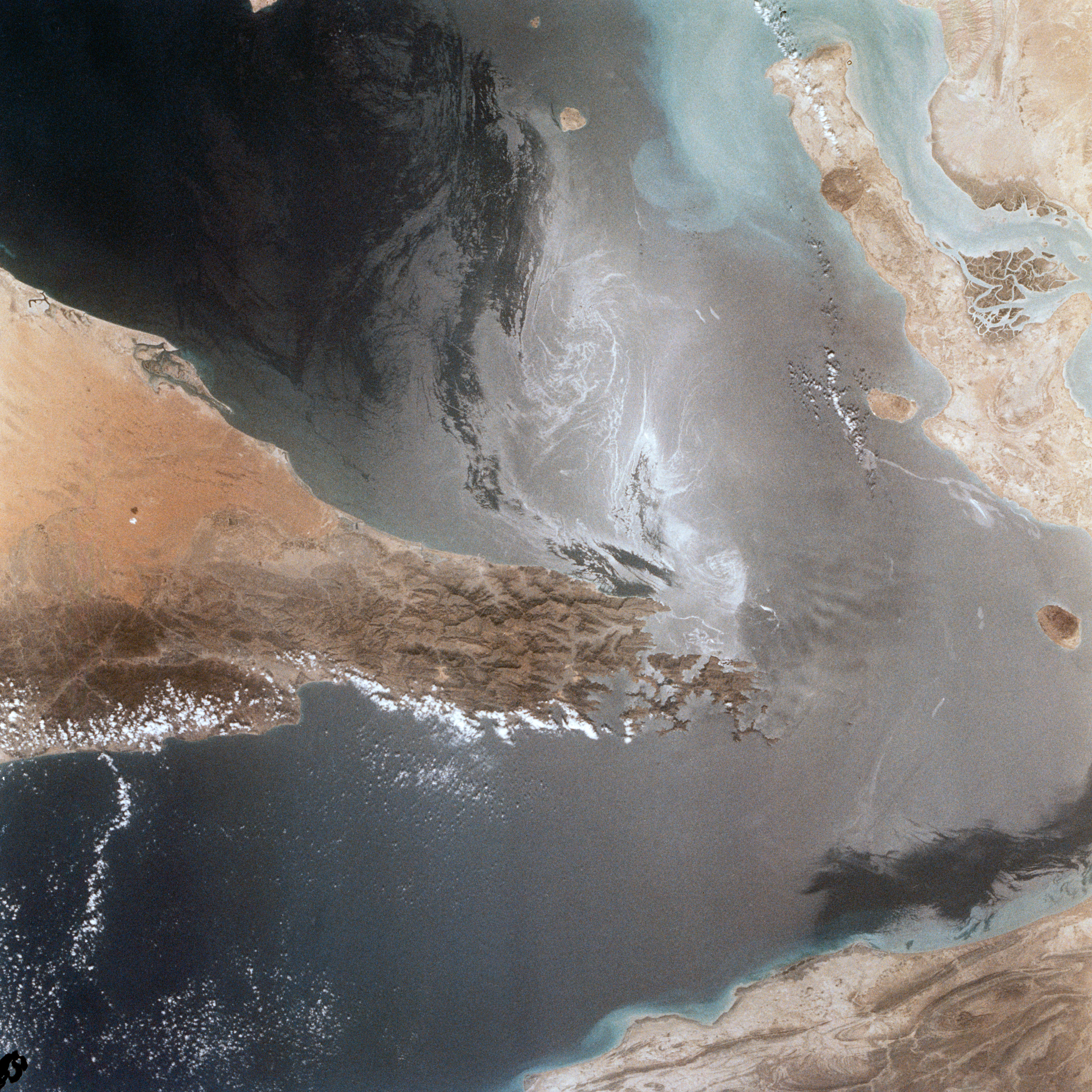
- Feature image: NASA Image and Video Library, STS004-37-716, Public Domain
For earlier developments today, see Oil Tops $100 as US Strikes on Iran Shatter Ceasefire Hopes and Trump Cancels Camp David as Iran Claims Ceasefire Violation.
Traders navigating volatile oil and equity markets need real feedback on whether their decisions hold up under pressure. ChartDojo gives you AI-powered feedback on every trade so you build real skills, not bad habits. Start your free trial today.
Header image source: pexels by Rene Terp. License: PEXELS.