
By Ulysses Cornelius
TL;DR
- Iran escalation risk moved back to the center of the market tape Friday after CNBC reported Iran claimed attacks on U.S. military forces in Syria and Bahrain.
- BBC reported U.S. Central Command said the U.S. launched a sixth consecutive night of strikes against Iran, hitting dozens of military targets.
- BBC also reported it verified an attack on one bridge west of Bandar Abbas after Iranian state media alleged civilian infrastructure had been hit.
- Oil remains the cleanest market signal. CNBC reported Brent traded at $84.67, up 0.5%, while WTI traded at $79.66, up 0.9%, with both contracts up more than 11% for the week.
Iran escalation risk watch: what happened
As of 08:45 UTC Friday, Iran escalation risk had widened from a Strait of Hormuz and Red Sea shipping story into a broader regional retaliation watch. CNBC reported that Iran claimed it targeted U.S. military forces in Syria and Bahrain as the U.S. completed its sixth consecutive night of strikes on Iran.
CNBC reported that U.S. Central Command said the latest strike wave hit air defenses, logistics infrastructure, maritime capabilities, and other military targets. Centcom also said more than 50,000 U.S. service members were operating across the Middle East.
The BBC added a second layer of confirmation and caution. It reported that Centcom said the strikes were meant to further degrade Iranian military capabilities. The BBC also reported that Iranian state media alleged U.S. attacks hit bridges, a train station, and an airport, and that the BBC verified an attack on one bridge west of Bandar Abbas in Hormozgan province.
Iran's Revolutionary Guards claimed retaliation across several locations, according to BBC and CNBC coverage. The claims included a U.S. command center in Syria's al-Tanf region, U.S. aircraft at Bahrain's Sakhir airbase, and targets in Kuwait and Oman. CNBC said there was no immediate U.S. military comment on the Syria claim.
In our internal ChartDojo catalyst logs, this is no longer only a shipping-lane headline. The new facts point to a wider retaliation map, with Bahrain, Syria, Kuwait, Oman, and the Strait of Hormuz all appearing in the same news window.
Why markets moved
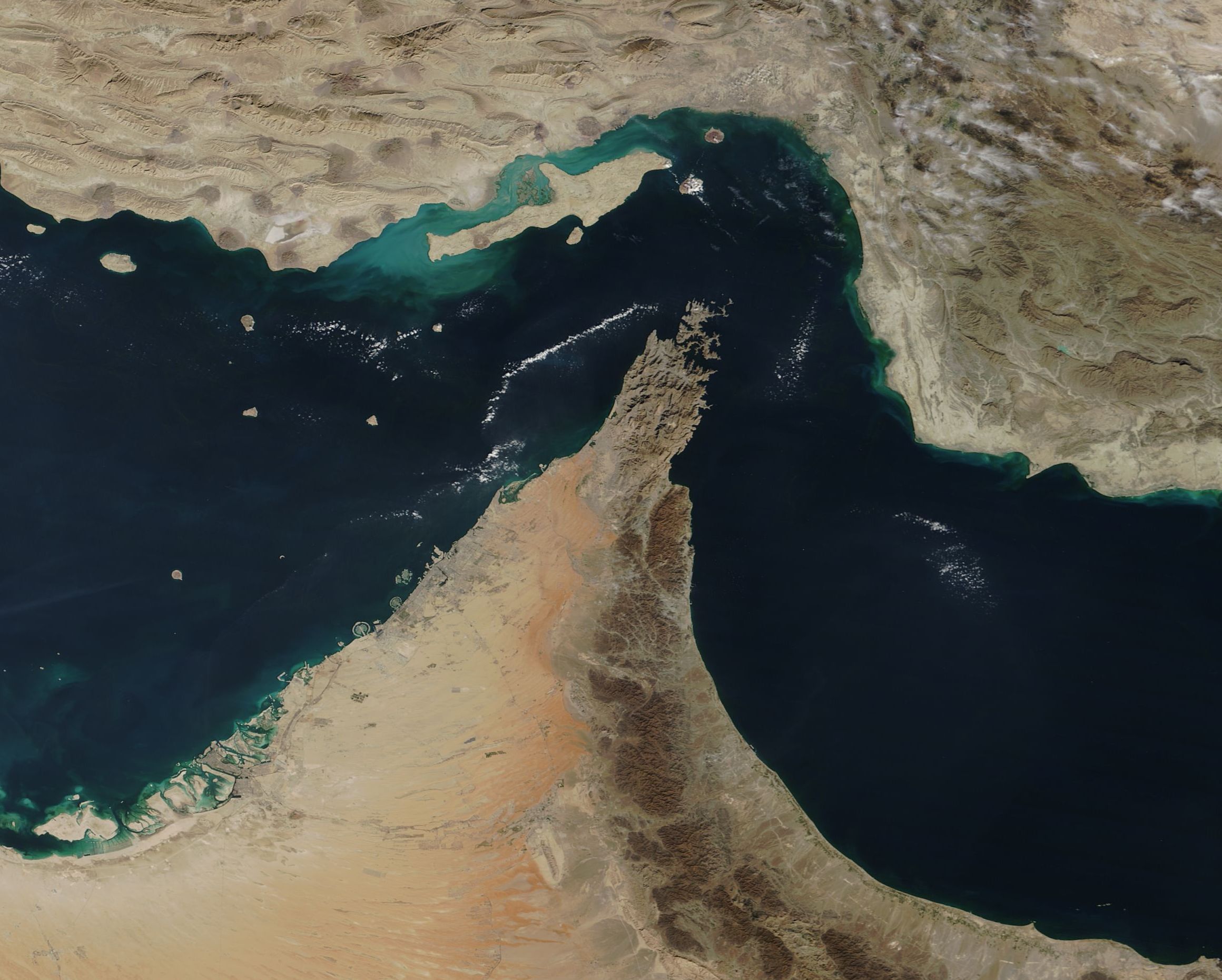
Markets moved because the risk now touches energy flows, military basing, and weekend headline exposure at the same time. The Strait of Hormuz is the only sea passage from the Persian Gulf to the open ocean, so traders treat any credible disruption there as a direct oil-market risk.
BBC reported that the strait has remained shut as the U.S. and Iran battle over control of the waterway. It also quoted International Energy Agency head Fatih Birol saying he was worried about global energy supplies if the situation does not improve in the next few weeks.
Oil prices are already carrying that concern. CNBC reported Brent crude futures for September delivery advanced 0.5% to $84.67 per barrel, while WTI futures for August delivery rose 0.9% to $79.66. Both contracts were up more than 11% for the week and on track for their best weekly performance since late April.
That move matters beyond energy. Higher oil can lift inflation expectations, pressure rate-cut hopes, and weigh on consumer-sensitive stocks. Index futures can react even before cash equities open because traders use futures to reprice overnight geopolitical risk.
Implications for the most impacted trader cohorts
Oil and energy futures traders: Brent and WTI remain the first read. The market is watching whether Friday's gains hold into the U.S. session or fade as traders separate verified facts from unconfirmed military claims.
Index traders: S&P 500 and Nasdaq futures are exposed through risk appetite and inflation sensitivity. A sustained oil spike can hit growth stocks if traders start pricing higher energy costs and a harder path for central banks.
Currency and rates traders: the dollar and Treasury market can move if the story turns into a safety trade. The clean signal is whether oil strength arrives with higher volatility and lower equity futures.
Crypto traders: bitcoin and ether are not the center of this catalyst, but they can still react if the move becomes a broad risk-off trade. If crypto falls while oil rises, the market is treating the event as a stress shock rather than a narrow energy story.
Potential positives vs negatives from this catalyst
Potential positives:
- A verified diplomatic channel or ceasefire signal could quickly cool the oil premium.
- If U.S. and Gulf defenses contain the claimed attacks, traders may reduce the immediate risk premium before the weekend.
- Energy producers may benefit if crude stays firm without a broader equity selloff.
Potential negatives:
- More confirmed attacks around Bahrain, Kuwait, Oman, or Syria would widen the conflict map.
- Fresh tanker damage or shipping delays near Hormuz could push crude prices higher again.
- A larger oil spike could pressure stocks, futures, and high-beta crypto at the same time.
What could happen from here
Base case: the market keeps a high but contained oil risk premium while waiting for confirmation from U.S. officials and Gulf governments. This path is confirmed if Brent and WTI hold gains without a new surge, equity futures remain orderly, and no fresh verified shipping disruption appears. It is weakened if confirmed attacks expand beyond the current reports.
Upside scenario: diplomatic messages or military de-escalation lower weekend risk. Confirmation would be a pullback in Brent and WTI, calmer futures, and official statements that narrow the incident list. This view fails if Iran or the U.S. announces another strike wave.
Downside scenario: the conflict spreads across more Gulf assets or disrupts shipping again. Confirmation would include verified damage to tankers, airbases, ports, bridges, or energy infrastructure, plus another leg higher in crude. This scenario loses force if the reported attacks remain unverified and oil gives back Friday's gains.
What to watch next (next 24h)
- Centcom updates on the latest U.S. strike wave and any response to Iran's Syria claim.
- Bahrain, Kuwait, Oman, Qatar, and Jordan statements on intercepted missiles or drones.
- Brent and WTI levels into the U.S. open and the Friday settlement.
- Shipping alerts near the Strait of Hormuz, Gulf of Oman, and Khasab.
- S&P 500, Nasdaq, and volatility futures for signs of broader risk repricing.
FAQ
Why is this a market story if some claims are unverified?
Markets price probability before every claim is settled. The confirmed pieces are enough to matter: U.S. strikes continued for a sixth night, BBC verified at least one bridge attack, and oil has already rallied sharply this week.
What is the first signal that the risk is spreading?
Watch crude and futures together. If Brent and WTI rise while S&P 500 and Nasdaq futures weaken, traders are treating the escalation as a broad risk shock.
Build real skills, not bad habits. If you want to practice trading fast oil, futures, and macro headlines with AI-powered feedback and a cleaner review process, start your free trial at ChartDojo.
Sources
- CNBC: Iran says civilian infrastructure hit by latest U.S. strikes, expands attacks to Syria, Bahrain
- BBC: US launches new strikes as Iran says civilian infrastructure hit
- U.S. Central Command: overnight strike update
Related ChartDojo coverage:
- Red Sea Closure Risk Watch Lifts Oil as Iran Threatens U.S.
- Hormuz Red Line Risk Watch as Iran Warns U.S.
- Hormuz vessel redirection puts oil futures on risk watch
Header image source: MODIS Land Rapid Response Team, NASA GSFC via Wikimedia Commons, public domain.