
By Ulysses Cornelius. Educational market analysis, not financial advice. Source context was checked at 8:05 p.m. ET on Monday, July 13, 2026.
Hormuz tanker attack risk moved back to the center of the trading day after the UAE accused Iran of striking two national tankers in the Strait of Hormuz, while the U.S. launched fresh strikes and President Donald Trump pushed a renewed blockade and 20% cargo charge. This is a Risk Watch because the market impact is still developing, but the facts now point to a broader maritime-security shock than the toll headline alone.
TL;DR
- BBC reported that the UAE accused Iran of attacking two tankers in the Strait of Hormuz, killing one crew member and wounding eight.
- CNBC reported that Trump proposed a 20% charge on cargo through the strait and said the U.S. would restart its blockade of Iranian ports.
- BBC also reported U.S. strikes for a third consecutive night, with CENTCOM saying strikes were launched at 20:45 GMT on Monday.
- CNBC reported oil prices jumped and stock indexes fell after the announcement. Bloomberg's markets feed said oil extended gains and Asian stocks were set to decline.
- The next 24 hours matter most for Brent and WTI crude, equity-index futures, gold, shipping headlines, and blockade enforcement details.
Hormuz Tanker Attack Risk Watch: What Happened
The fresh catalyst is no longer only a pricing dispute over the Strait of Hormuz. BBC reported late Monday that the United Arab Emirates accused Iran of attacking two UAE tankers in the strait. The report said one Indian crew member was killed and eight people were wounded.
The tanker report landed on top of the U.S. blockade announcement. CNBC reported that Trump said the U.S. would impose fees at the rate of 20% on all cargo shipped through the Strait of Hormuz. CNBC also reported that U.S. Central Command said the blockade would resume Tuesday at 4 p.m. ET.
BBC added that U.S. strikes were launched for the third consecutive night and that CENTCOM said strikes began at 20:45 GMT on Monday. Iranian state media, according to BBC, said Iran's army targeted U.S. military assets in Kuwait in response.
Why Markets Moved
The Strait of Hormuz matters because it is a narrow shipping route for a large share of global oil and liquefied natural gas. Liquefied natural gas, or LNG, is natural gas chilled into liquid form for shipment by sea. Tanker casualties, blocked Iranian port traffic, or contested toll enforcement can quickly raise the risk premium in crude.
So far, the observed market reaction is risk-sensitive rather than settled. CNBC reported oil prices jumped and stock indexes fell after Trump's announcement. Bloomberg later framed oil as extending gains and Asian stocks as set to decline, while another Bloomberg item said gold held declines amid renewed Hormuz blockade and hawkish Fed concerns.
When we test geopolitical shock sessions on chartdojo.io, the most useful first read is confirmation across assets. A single crude spike can fade. Oil strength with weaker index futures, wider shipping stress, and defensive demand is a stronger warning.
Implications For The Most Impacted Trader Cohorts
Oil and energy futures traders: Brent and WTI are the first instruments to watch. The market has to price both physical disruption risk and policy uncertainty around the proposed charge. Front-month crude strength with stronger calendar spreads would suggest traders are paying up for near-term barrels.
Equity-index futures traders: S&P 500, Nasdaq, and Dow futures can weaken if higher oil prices become an inflation and margin concern. The first tell is whether index weakness stays shallow or accelerates alongside crude.
Gold and dollar traders: Gold can behave unevenly when geopolitical risk rises but rate expectations remain firm. If gold fails to rally during a Hormuz shock, traders should check whether dollar strength and hawkish Fed pricing are limiting the haven bid.
Shipping and macro traders: Tanker availability, insurance costs, and route guidance can matter almost as much as spot crude. A confirmed slowdown in traffic would make the shock more durable. Clearer safe-passage rules would reduce some pressure.
Potential Positives Vs Negatives
The positive case is narrow but important. If U.S. and regional authorities clarify enforcement rules quickly, non-Iranian vessels may keep moving with less confusion. BBC also reported Trump said a deal was still possible, and any credible diplomatic channel would matter more now that shipping confidence is the pressure point.
The negative case is larger. Reported tanker casualties turn the story from a legal and policy dispute into a live security event. If more vessels are hit or delayed, crude can price a larger disruption premium and equity futures can absorb a broader risk-off move.
There is also policy confusion. CNBC reported the International Maritime Organization said there is no legal basis for mandatory tolls simply to transit a strait used for international navigation. If allies, shippers, and U.S. officials disagree on the mechanics, traders may demand a higher uncertainty premium.
What Could Happen From Here
Base Case
The base case is a volatile but contained energy shock. Oil stays firm, equity futures remain cautious, and traders wait for Tuesday's blockade start time. This path is confirmed if Brent and WTI hold gains without a broader equity break. It is invalidated by fresh tanker damage, a confirmed traffic halt, or a sharp overnight futures selloff.
Upside Case
The upside case for risk assets is de-escalation. Official statements clarify that commercial traffic outside the Iranian blockade can continue, and no new vessel incidents are confirmed. Oil gives back part of the risk premium, futures stabilize, and gold loses some safe-haven interest. This path weakens if Iran or the U.S. confirms new strikes.
Downside Case
The downside case is a broader shipping shock. More vessels are attacked, insurers raise costs, or traffic through the strait slows further. Oil extends higher, index futures fall, and traders rotate toward defensive exposures. This path is invalidated only by verifiable safe passage and cleaner diplomatic signals.
What To Watch Next
- The Tuesday 4 p.m. ET blockade start time cited by CNBC and any CENTCOM enforcement details.
- Updates from the UAE on tanker damage, crew status, and vessel locations.
- Brent and WTI front-month futures, especially whether gains hold through Asia and Europe.
- S&P 500 and Nasdaq futures for signs that energy risk is becoming a broader risk-off trade.
- Gold and the U.S. dollar, since haven demand can be offset by rate and currency pressure.
- Shipping advisories, tanker traffic data, and insurance headlines tied to Hormuz transit.
Sources
- BBC: UAE condemns Iran's attack on tankers as US launches fresh strikes
- CNBC: Trump proposes 20% toll on cargo through Strait of Hormuz
- Bloomberg: Oil extends gains as Trump reinstates blockade on Iranian ships
- Bloomberg: Oil extends advance, Asian stocks set to decline
For related ChartDojo context, see the earlier Hormuz toll risk watch and the Trump Hormuz blockade oil update.
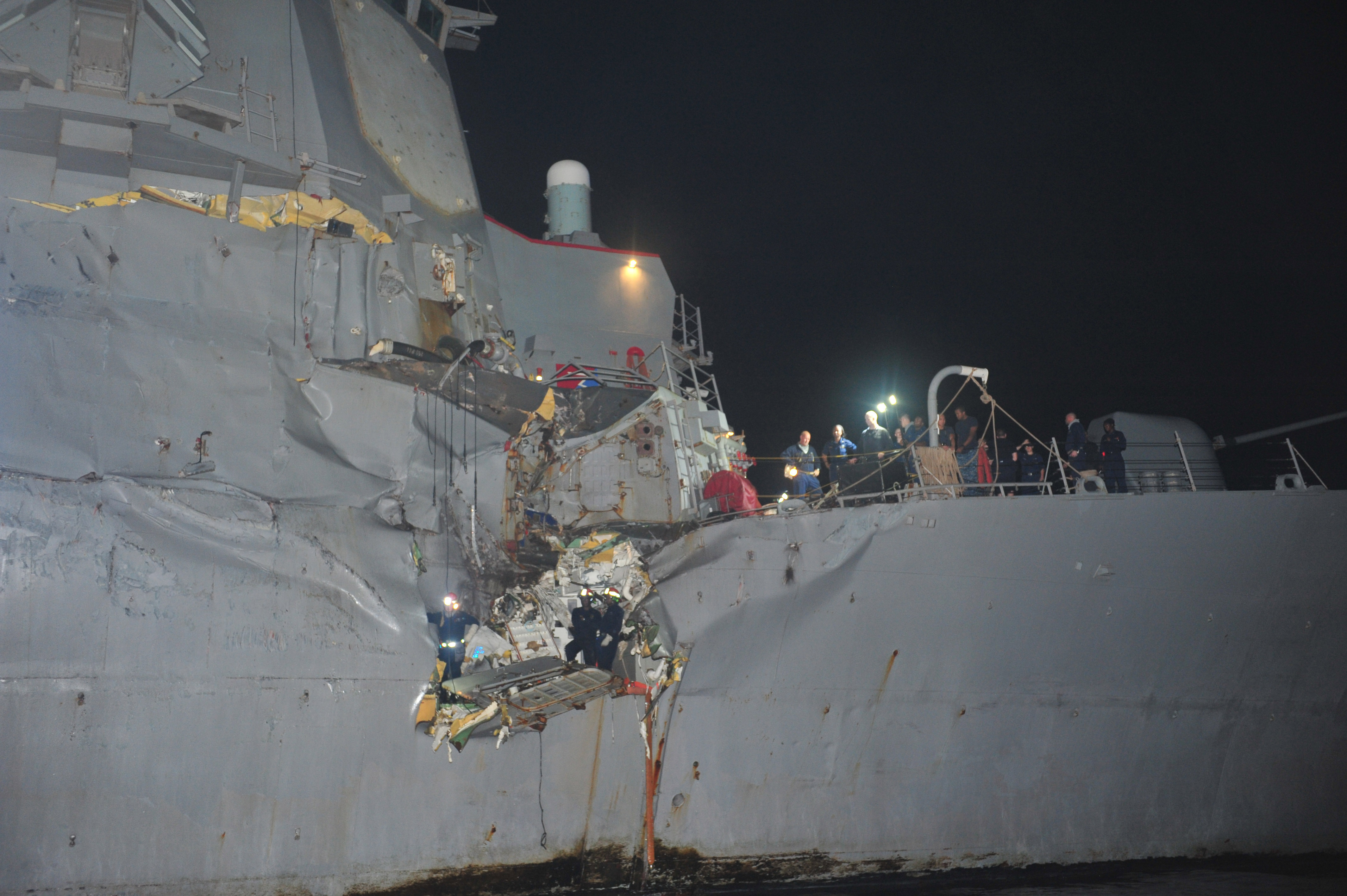
Feature image: U.S. Navy photo by Mass Communication Specialist 3rd Class Jonathan Sunderman via DVIDSHUB and Wikimedia Commons, CC BY 2.0.
Build real skills, not bad habits. ChartDojo helps traders practice with market replay, trade review, and AI-powered feedback. Start a free trial at chartdojo.io/register.