
TL;DR
- AP reported Wednesday that Iran's Revolutionary Guard fired on a container ship in the Strait of Hormuz and later said a second ship also came under attack, citing the British military's maritime monitoring center.
- NBC separately reported that the U.K. maritime agency said an Iranian gunboat attacked a container ship and caused heavy damage to the bridge.
- The event matters because it lands only hours after Trump extended the Iran ceasefire, which had briefly eased the risk of an immediate military restart.
- This is a Risk Watch setup. The fresh facts point to a new operational escalation in shipping, but the market has not yet delivered a clean second-wave oil spike large enough to settle the next direction.
What happened
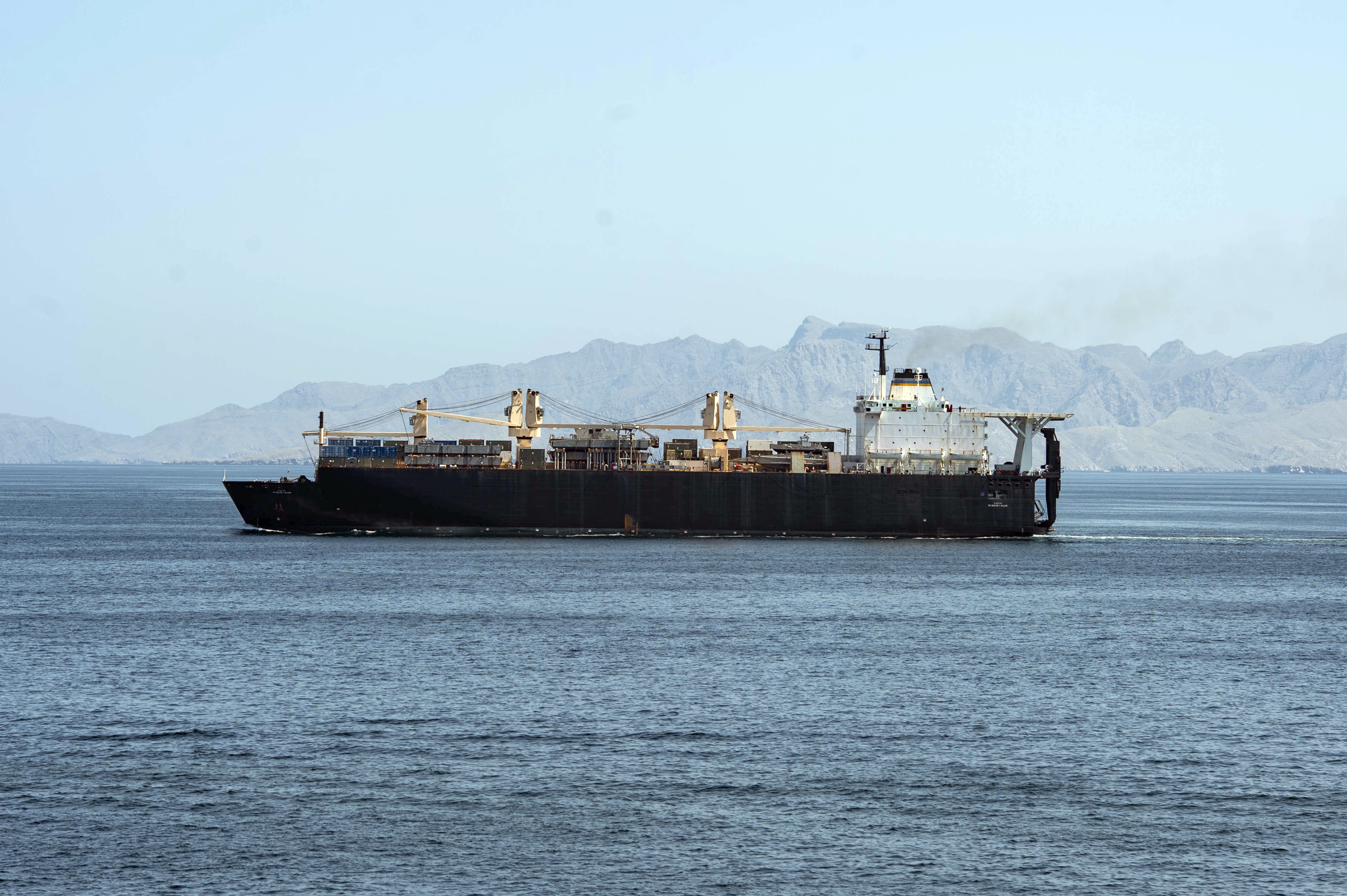
Early Wednesday, the Strait of Hormuz produced a fresh headline that traders cannot dismiss as old follow-through. AP reported that Iran's paramilitary Revolutionary Guard fired on a container ship in the waterway, damaging the vessel. AP later updated that a second ship also came under attack, citing the British military's United Kingdom Maritime Trade Operations center, or UKMTO.
NBC's live coverage separately said the U.K. agency reported an Iranian gunboat fired on a container ship and caused heavy damage to the bridge. That gives the market two reputable-source confirmations that a fresh shipping incident has hit the same corridor that already carries the war's biggest energy risk premium.
The timing is the key reason this matters. Only hours earlier, Trump had extended the Iran ceasefire and argued the pause should remain in place until Tehran presents a unified proposal. That extension briefly shifted the market back toward a diplomacy-first reading, which is why CNBC reported European stocks opened slightly higher while traders assessed the ceasefire extension and the possibility of further talks. A fresh attack on ships in Hormuz immediately complicates that calmer interpretation.
Why markets moved
The market logic is straightforward. The ceasefire extension reduced the odds of an instant return to full military escalation, but it did not reopen trade flows or restore confidence in shipping. This ship attack is a reminder that operational disruption can keep happening even when diplomats are trying to hold a fragile pause together.
That matters most for oil and index futures because Hormuz is not a symbolic chokepoint. It is one of the world's most important energy arteries. Reuters reporting tied to the same conflict has repeatedly highlighted that traffic through the strait remains severely impaired and that oil traders are still pricing a meaningful war premium into Brent and WTI. AP said Brent was trading near $98 a barrel in early Wednesday dealings, still dramatically above pre-war levels.
In other words, the market is now stuck between two true statements. One, the ceasefire extension is more constructive than a clean breakdown in talks. Two, a ship attack in Hormuz tells traders that the real-world risk to cargo, insurance, and energy flow has not gone away. That is why this headline can matter even before a fresh full-session oil breakout appears on screen.
If the attack proves isolated, markets may keep treating it as part of the same already-known risk cluster. If shipping disruption broadens, insurance costs rise, or retaliatory moves follow, this can quickly become the next distinct leg higher in the oil-and-volatility trade.
Implications for the most impacted trader cohorts
Oil traders: the attack raises the odds that Brent and WTI hold onto a geopolitical premium even after the ceasefire extension. The key issue is not only headline risk. It is whether vessel traffic stays constrained and whether physical-market participants begin pricing in a longer disruption window.
Index futures traders: S&P 500 and Nasdaq futures may stay vulnerable to abrupt tone shifts. A ceasefire headline can lift risk sentiment, but a live shipping attack can reverse that mood quickly if crude pushes higher again or if transport and airline pressure intensifies.
Macro and cross-asset traders: this is the kind of event that can bleed into inflation expectations, sovereign bond pricing, and sector leadership. Energy producers can benefit from a higher crude floor, while fuel-sensitive cyclicals remain exposed.
Potential positives vs negatives
Potential positives
- The ceasefire extension is still in place, which means diplomacy has not collapsed outright.
- If this attack remains isolated, markets may decide the broader trend is still toward talks rather than toward immediate all-out escalation.
- Risk assets could stabilize if oil fails to break decisively above recent highs and shipping conditions do not deteriorate further.
Potential negatives
- A second ship incident makes it harder to treat the ceasefire as a clean de-escalation signal.
- Any evidence of repeated attacks, rising insurance costs, or further shipping paralysis would strengthen the bullish case for crude and the bearish case for broad risk assets.
- This kind of operational disruption can hit sentiment before official policy changes appear, which means futures can reprice quickly in the next headline wave.
What could happen from here
Base case: markets treat the attack as a serious but still contained escalation inside the same Iran-Hormuz crisis. Oil stays elevated, stocks remain headline-sensitive, and traders wait for either talks or a confirmed broader shipping disruption. This base case is confirmed if crude stays firm without exploding higher and if follow-up reporting still points to a fragile but surviving diplomatic track. It is invalidated if repeated attacks or counterstrikes hit within the next day.
Upside case for risk assets: officials contain the incident, no additional vessels are hit, and ceasefire diplomacy continues. In that setup, Brent and WTI can soften, futures can recover some confidence, and the market can shift back to the extension story rather than the attack story. This path is confirmed by calm follow-up traffic data and softer oil. It is invalidated by renewed maritime violence.
Downside case for risk assets: the attack marks the start of a new pressure phase in Hormuz. If more ships are fired upon, if blockades harden, or if U.S. and Iranian responses escalate, then the next move is higher oil, higher volatility, and more stress on transport, consumer, and rate-sensitive equities. This path is confirmed by repeated incident reports, fresh shipping warnings, or a decisive new oil breakout. It is invalidated if the episode proves isolated and talks resume.
What traders should watch next
- Any UKMTO or official naval follow-up on the identity of the second attacked ship and whether traffic is being rerouted.
- Whether Reuters, CNBC, Bloomberg, or AP begin reporting fresh same-session moves in Brent, WTI, or global futures tied directly to this attack.
- Any White House, Pakistani, or Iranian statement that changes the status of the ceasefire extension or prospective talks.
- Whether insurers, tanker trackers, or port operators report a new slowdown in traffic through Hormuz.
- How Europe and then U.S. futures respond once the shipping incident is fully absorbed into the trading day.
FAQ
Is this a new war escalation or just follow-through?
This is a fresh operational escalation inside an already-live war-and-shipping crisis. It is more than routine follow-through, but it has not yet produced a clearly separate full-market repricing wave.
Why call this a Risk Watch instead of a clean directional call?
Because the facts are serious, but the market signal is still developing. The ship attack is confirmed. The size and duration of the next oil and futures reaction are not yet fully confirmed.
For traders following this theme, ChartDojo has already mapped the earlier setup in Iran Ceasefire Extended: Oil and Futures Risk Watch and US Boards Iranian Oil Tanker: Oil Risk Watch. This new attack matters because it tests whether the ceasefire extension was a real cooling signal or only a pause before more disruption.
Build real skills, not bad habits. If you want to track market-moving headlines with AI-powered feedback that helps you think through scenarios instead of chase them, start your free trial at ChartDojo.
Sources
- AP News: 2 ships attacked in Strait of Hormuz, complicating diplomatic efforts to resume talks
- NBC News live blog: Ship attacked in Strait of Hormuz by Iranian gunboat, U.K. agency says
- CNBC: European stocks open higher after Trump extends Iran ceasefire deadline
- Reuters: Oil prices turn lower as investors assess outlook for U.S.-Iran peace talks
- Reuters: How the Iran war oil and gas supply shock compares with past disruptions
Header image source: Wikimedia Commons · U.S. Navy photo by Mass Communication Specialist 3rd Class Andrew Waters. License: Public domain.
