
TL;DR
ECB board member Isabel Schnabel told Reuters on Tuesday morning that the European Central Bank should raise interest rates at its June meeting, even if a US-Iran peace deal materializes beforehand. Her reasoning: the Iran conflict has lasted far longer than projected, and the resulting energy price shock has moved beyond a temporary squeeze and into the broader eurozone economy. The signal adds to a global tightening picture that now includes the US Federal Reserve under Chair Kevin Warsh holding a hawkish higher-for-longer stance. For traders, this is a macro shift worth pricing carefully heading into the European session.
ECB June Rate Hike Signal: What Happened
Speaking to Reuters at approximately 05:30 UTC on Tuesday, Schnabel said the ECB should hike in June even if ongoing Doha peace talks produce a US-Iran agreement. Her core argument is that the energy shock has persisted long enough to cause second-round inflation effects across services and goods throughout the eurozone. The European Commission has forecast eurozone GDP growth of just 0.9% for 2026, a sharp slowdown from the prior year. That means the ECB is signaling a willingness to accept weaker near-term growth in order to keep inflation from becoming entrenched.
The statement comes on a night when US forces conducted strikes against Iranian missile launch sites and Revolutionary Guard vessels near Bandar Abbas, muddying the Doha peace talks that had briefly pushed oil sharply lower on Monday. Brent crude futures climbed roughly 2% to approximately $98.26 per barrel in Asian trading as the strike news filtered through (Reuters, CNBC). For more on the oil market dynamics from the strikes, see our earlier coverage: Brent Surges While WTI Drops 5%: What the Oil Split Signals About Iran Deal Odds.
Schnabel's comment is the first clear ECB signal this week tying the path for eurozone rates directly to the duration of the Iran conflict, making it a distinct monetary policy development layered on top of the ongoing geopolitical story.
Why Markets Moved
The Schnabel signal matters for several reasons.
The stagflation angle is the most immediate concern. The eurozone is growing at under 1% this year, yet the ECB is being asked to raise borrowing costs because energy-driven inflation has proved too persistent to ignore. That combination, slower growth alongside higher rates, historically pressures rate-sensitive sectors and tightens credit conditions for businesses and consumers across the continent.
The global tightening picture adds another layer. Bloomberg reported Monday that the US Treasury yield curve is already flashing a higher-for-longer warning under Fed Chair Kevin Warsh. If both the ECB and the Fed lean toward tighter policy at the same time, the liquidity backstop that has supported risk asset valuations comes under real pressure. Equity and credit markets have priced in some probability of rate cuts later in 2026; an ECB hike chips away at that assumption on the European side.
There is also a currency and yield dimension. A confirmed June ECB hike would push European bond yields higher and likely strengthen the euro modestly against the dollar. That dynamic affects multinational earnings in Europe and adds complexity to an already unsettled FX picture shaped by the Iran situation.
Crypto markets have also absorbed the broader risk-off impulse from the overnight Iran escalation. Bitcoin fell below $63,000 and approximately $300 million in crypto futures positions were liquidated (CryptoBriefing, CryptoNews.net), underscoring how sensitive speculative assets remain to combined macro and geopolitical shocks.
Implications for Traders
Equity and futures traders: European stocks face the most direct pressure from a June ECB hike in a slow-growth environment. Watch the DAX and CAC 40 in the European cash session as Schnabel's signal gets priced in. In the US, equity futures had been called over 300 points higher early Tuesday on Memorial Day recovery flows, but a synchronized tightening backdrop limits the upside runway. Consumer Confidence data at 10:00 AM ET will be an early read on domestic demand. For a broader view of this week's key catalysts, see: Stocks, Futures, Crypto Week Ahead: Iran Deal Watch and PCE Thursday.
Oil and energy traders: Brent crude holding near $98 per barrel reinforces the inflation case Schnabel is making. If oil stays elevated through the ECB's June meeting, the argument for tightening becomes easier to sustain internally. A sustained break above $100 would likely accelerate the hawkish ECB consensus. Conversely, a credible Iran deal that sends oil sharply lower would test whether Schnabel's stated preference holds firm.
Crypto traders: Bitcoin's slide below $63K and the accompanying $300 million liquidation wave show that crypto is tracking geopolitical and macro sentiment closely. Higher global rates, ongoing Middle East uncertainty, and a loss of earlier speculative momentum create a challenging environment for near-term upside. The $60,000 support level will be closely watched over the next 24 to 48 hours.
Potential Positives vs Negatives
Potential positives from this development:
- A credible ECB commitment to fight inflation could anchor medium-term inflation expectations and reduce the risk of a wage-price spiral taking hold in Europe.
- If an Iran peace deal does materialize and oil prices drop, eurozone growth could recover faster than the 0.9% forecast implies, giving the ECB room to pause after June.
- A modestly stronger euro from rate hike expectations reduces import costs for non-energy goods, offering some offset to household purchasing power.
Potential negatives:
- Hiking into near-recessionary growth risks tipping parts of the eurozone into contraction, particularly in rate-sensitive industries like construction and autos.
- Synchronized ECB and Fed tightening compresses the global liquidity conditions that have supported equity valuations through most of 2026.
- Emerging market economies with dollar or euro-denominated debt face increased strain as both major central banks lean hawkish simultaneously.
What Could Happen From Here
Base scenario (50%): The ECB delivers a 25 basis point hike at its June meeting. European bond yields rise modestly, the euro firms slightly, and equities absorb the move as broadly expected. An Iran deal, if reached before June, softens energy prices but the ECB follows through regardless. Risk assets stabilize after an initial repricing.
Confirmed by: Additional ECB governing council members echoing Schnabel's view in the coming days; Brent crude staying below $100 without re-accelerating.
Invalidated by: Lagarde or other ECB members publicly pushing back against a June hike; a sharp oil price collapse driven by a confirmed ceasefire.
Upside scenario (25%): A US-Iran deal is struck within days. Oil falls sharply, reducing energy-driven inflation pressure. The ECB still hikes in June but guides toward a pause afterward. Risk assets rally on the energy tailwind and the rate hike impact is absorbed without meaningful disruption.
Confirmed by: Credible ceasefire reports from Doha; Brent dropping toward $85-90; ECB rhetoric shifting to data-dependence after one hike.
Invalidated by: Further US or Israeli strikes in the region; oil re-accelerating toward $105.
Downside scenario (25%): The Iran conflict escalates further. Brent crude pushes above $105. The ECB hikes and signals additional tightening is needed. European growth contracts in the second quarter. Risk assets sell off broadly, crypto faces a deeper deleveraging episode, and emerging market currencies weaken sharply.
Confirmed by: Additional US strikes or an Iranian response; Brent breaking and holding above $102-105; eurozone PMI data printing below 45.
Invalidated by: A swift ceasefire that holds; oil dropping back below $90 on confirmed deal progress.
What to Watch Next
- ECB governing council commentary following Schnabel's statement: alignment or pushback from other members shapes June expectations significantly.
- Brent crude price action in European hours and the $100 level as a key marker.
- US Consumer Confidence data, Tuesday 10:00 AM ET: a weak read compounds the stagflation concern globally.
- Doha peace talk updates: the most likely macro override for all current scenarios.
- Kevin Warsh scheduled appearances or Fed communications for any signal shift on the US side.
- Bitcoin price action relative to the $60,000 support level over the next 24 to 48 hours.
Every macro shock is a test of whether your trading instincts hold up under pressure. ChartDojo uses AI-powered feedback to grade your decisions on paper trades in real time, helping you build real skills, not bad habits, in conditions exactly like these. Start your free trial at chartdojo.io/register and practice trading the market you are actually in.
Sources
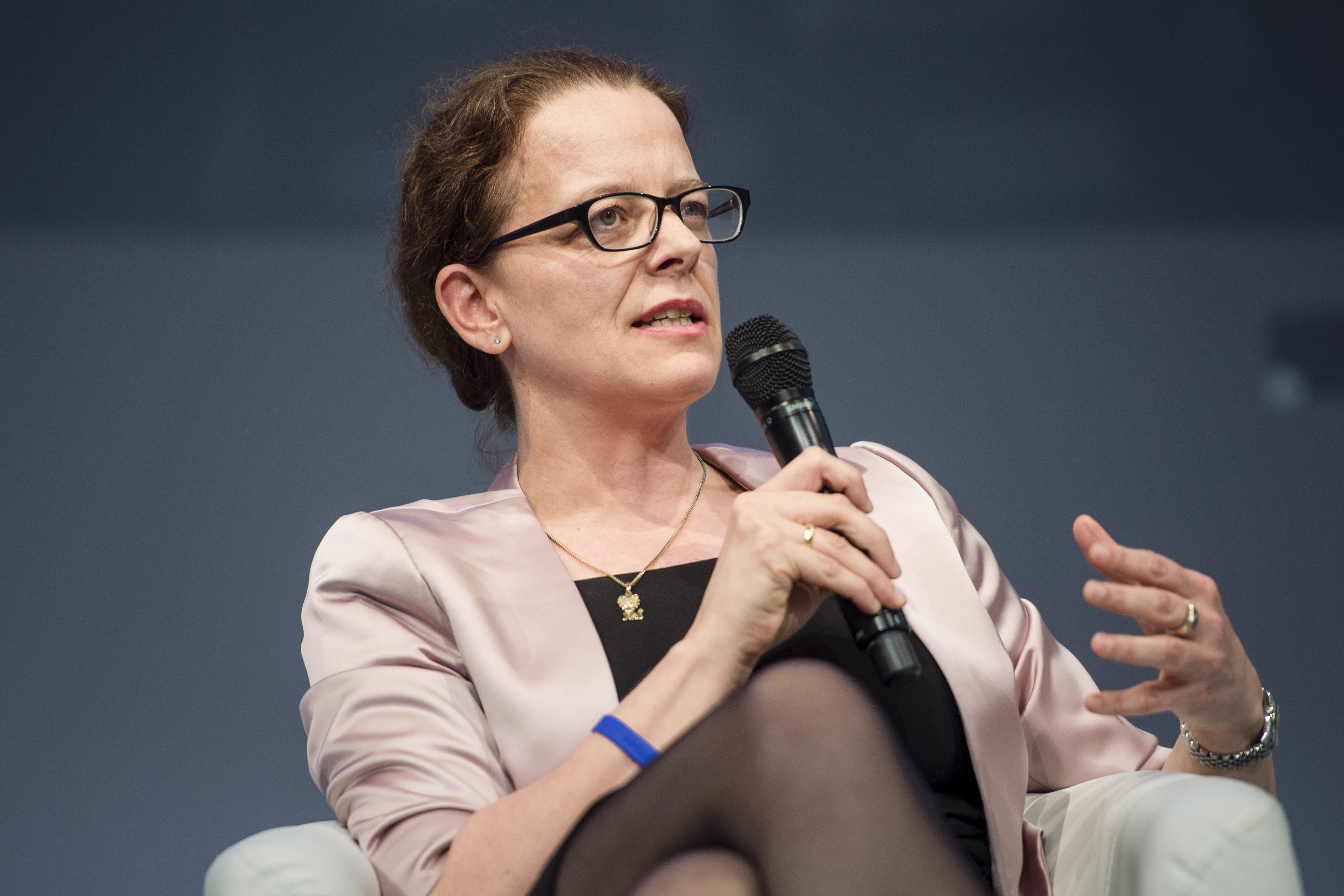
- Feature image: Isabel Schnabel, ECB Executive Board member. Photo: Gregor Fischer, CC BY 2.0 via Wikimedia Commons.
- Reuters: ECB should raise rates in June, even if Iran peace deal is struck, Schnabel says
- CNBC: Brent crude rises 2% as U.S. military strikes against Iran cloud peace prospects
- Bloomberg: Treasury Curve Flashes Higher-for-Longer Warning Under Warsh
- The Guardian: US strikes Iran missile sites and vessels as Trump's peace deal remains elusive
- CryptoBriefing: US military strikes Iranian missile sites, rattling crypto markets
Header image source: pexels by Pixabay. License: PEXELS.