

As of Friday afternoon in New York, the clearest fresh macro headline is that the US Justice Department has ended its criminal investigation into Federal Reserve Chair Jerome Powell. Reuters, AP, CNBC, and BBC all reported that the move clears a major political obstacle to Kevin Warsh replacing Powell when Powell's term as chair ends on May 15. This matters because markets did not treat it as a narrow legal update. Reuters reported the dollar fell, Treasuries gained, and rate-cut odds moved higher as traders interpreted the headline as modestly dovish. This article is for educational purposes only, not financial advice.
TL;DR
- Reuters, AP, CNBC, and BBC reported Friday that the Justice Department ended its criminal probe into Jerome Powell over Federal Reserve building-renovation costs.
- AP said the decision clears a major roadblock to Kevin Warsh's confirmation because Senator Thom Tillis had opposed moving Warsh forward until the probe was resolved.
- Reuters reported the dollar fell after the news, Treasuries gained, and traders increased the probability of a year-end Fed rate cut.
- The market's read, according to Reuters, was that a Warsh-led Fed could be slightly more dovish than Powell on the path of rate cuts.
- This is best treated as a Risk Watch catalyst, because the confirmation process still has to play out and the Fed independence debate is not over.
What happened
On Friday, U.S. Attorney Jeanine Pirro said the Justice Department was closing its investigation into Powell and handing scrutiny of the Fed renovation project back to the central bank's inspector general. Reuters and CNBC both said that decision removed a major obstacle to Kevin Warsh, President Donald Trump's nominee to become the next Fed chair. AP separately reported that Tillis had effectively blocked Warsh's path until the investigation was resolved, so dropping the probe materially changes the political math around the succession process.
BBC added important context. Powell has argued for months that the investigation was not really about renovation costs, but about pressure on the Fed to cut rates. That is why this headline matters beyond Washington politics. It lands directly inside the market's broader debate about Fed independence, the next rate cycle, and whether the White House will have more influence over monetary policy once Powell leaves.
ChartDojo's live site earlier focused on the semiconductor rally in US Chip Stocks Hit Record Highs as Intel Lifts Nasdaq and the broader index backdrop in S&P 500 Record High Meets $100 Oil: Stock Market Risk Map. This new Fed succession headline is a different catalyst. It is not about one sector or one earnings reaction. It is about how traders reprice the future policy path itself.
Why markets moved
Reuters gave the cleanest market read. It reported that the dollar index fell 0.28% to 98.55 after the news, while traders increased the probability of a year-end rate cut to 38%, up from 23% earlier on Friday. Reuters also quoted CIBC strategist Noah Buffam saying the market was reading the development as a little bit dovish because Warsh may put more emphasis on trimmed-mean and median inflation measures that currently run below the core measures Powell has highlighted.
That is the transmission channel traders care about. If the next Fed chair is seen as even slightly more open to cutting rates, the dollar can weaken, Treasury prices can rise, and risk assets can get some support. Bloomberg's market coverage, reflected in feed results Friday, showed Treasuries moving higher on the same headline. In plain English, traders quickly translated a Washington legal-political development into a rates story.
The reason the move still needs careful framing is that this is not a rate cut, not a formal policy change, and not a confirmed break in Fed independence. It is a change in perceived odds. Markets are pricing a cleaner path for Warsh, not a guaranteed policy shift. That is why the right label here is Risk Watch rather than certainty.
Implications for the most impacted trader cohorts
Dollar and macro traders: this is the cleanest first-order reaction. Reuters already showed the dollar weakening on the headline, which means traders are testing a more dovish Fed succession path. If Warsh confirmation odds keep rising, the FX market may stay sensitive to every related headline.
Treasury and rates traders: Treasury strength makes sense if investors think the next Fed chair could be more comfortable cutting rates. The key question is whether Friday's move becomes a one-day reaction or the start of a broader repricing in front-end yields and fed-funds expectations.
Stock and futures traders: equities were already being helped by semiconductor strength and easing oil pressure from the earlier session's spike. This new catalyst matters because it can add a second bullish channel through easier-rate expectations. But if the market decides the story threatens Fed independence rather than supports a smoother easing path, that same headline could become a negative instead.
Potential positives vs negatives
Potential positives
- The end of the probe removes one source of institutional uncertainty ahead of Powell's May 15 term-end date.
- Reuters showed traders immediately leaning toward a softer dollar and easier-rate interpretation, which can support risk appetite.
- A clearer succession path may reduce some near-term headline volatility if Senate timing firms up quickly.
Potential negatives
- BBC and CNBC both make clear that the Fed independence fight is not over, so markets could still worry that political pressure is becoming more direct.
- Pirro said she could restart a criminal investigation if facts warranted it, which means the issue is not fully buried.
- If Warsh is seen as politically easier rather than institutionally credible, the market may eventually demand a higher risk premium rather than celebrate easier cuts.
What could happen from here
Base case: markets keep treating this as a modestly dovish succession signal, with the dollar softer and Treasuries firmer while traders wait for Senate timing and next week's Fed meeting. What confirms it: year-end cut odds stay elevated, the dollar remains under pressure, and follow-up coverage keeps framing the headline as clearing Warsh's path. What invalidates it: officials push back hard, Warsh's confirmation stalls again, or markets quickly unwind Friday's rate-cut repricing.
Upside case: the succession path becomes clearly smoother and investors conclude policy uncertainty is falling rather than rising. What confirms it: Treasury gains hold, the dollar weakens further, and equities absorb the story as supportive for rate-sensitive sectors. What invalidates it: the focus shifts from easier policy expectations to political interference risk.
Downside case: traders decide the bigger issue is institutional credibility, not dovish relief. What confirms it: commentary starts focusing on Fed independence damage, term premiums rise, and stocks stop responding positively to the softer-dollar interpretation. What invalidates it: Warsh and Senate allies keep emphasizing central-bank independence and markets accept that message.
What traders should watch next
- Any new Senate guidance on when Warsh's confirmation vote could happen.
- Whether Reuters-style market pricing keeps showing higher cut odds into next week's Fed decision window.
- Whether the dollar index continues to trade lower after Friday's initial reaction.
- Whether Treasuries hold their gains or give them back as traders reconsider the headline.
- Whether the debate shifts toward a cleaner transition story or toward a broader challenge to Fed independence.
Build real skills, not bad habits. ChartDojo gives traders AI-powered feedback on execution quality, risk discipline, and decision-making patterns. Start your free trial.
Sources
- Reuters: Justice Dept drops investigation into Fed Chair Powell, removing obstacle to Warsh
- Reuters: Dollar slips as DOJ drops Powell probe, clearing path for Warsh
- AP: Justice Department ends criminal investigation of Fed chair Powell
- CNBC: DOJ ends Powell probe, lifts hurdle for Trump's Fed chair nominee Warsh
- BBC: US justice department drops probe into Fed chairman Jerome Powell
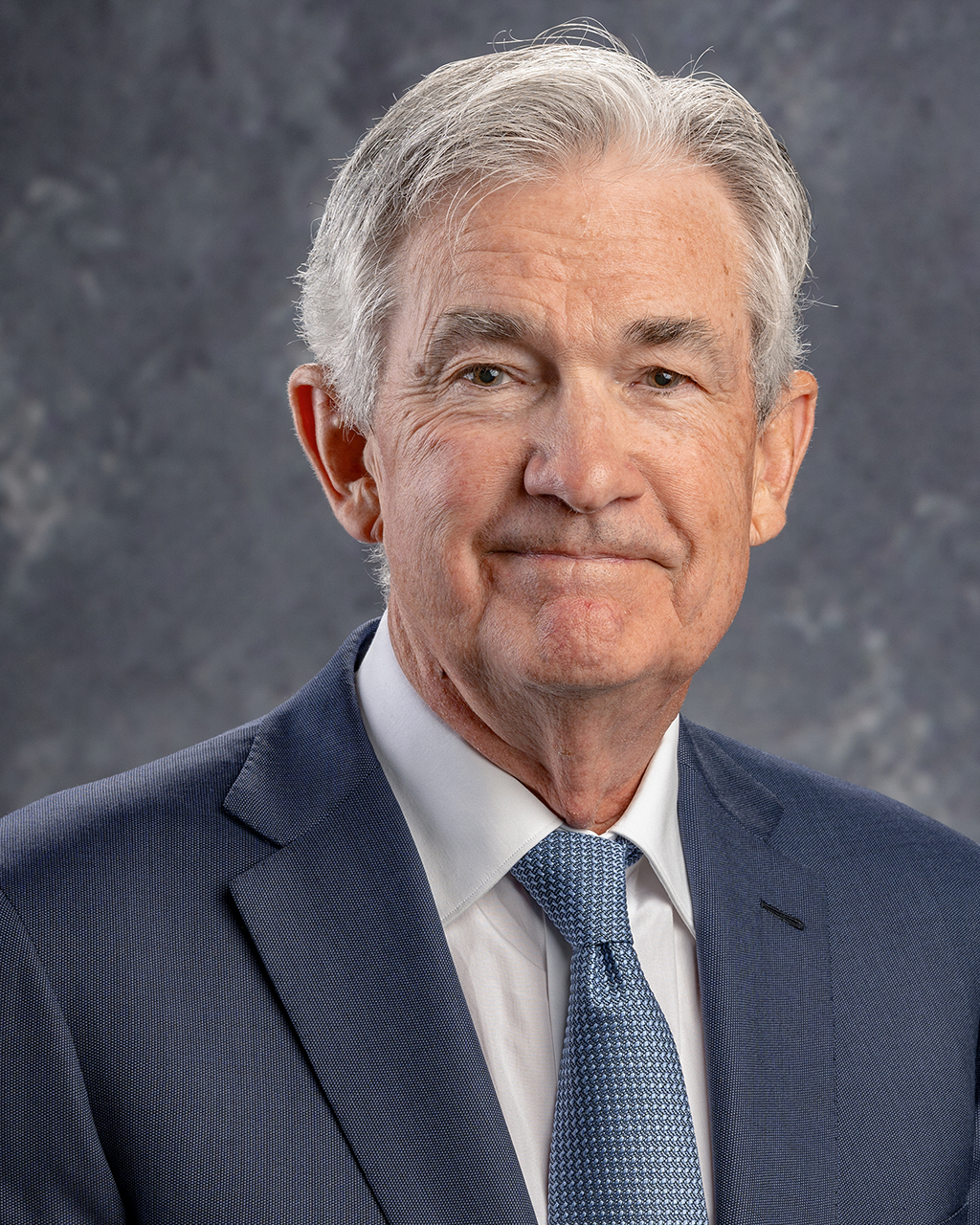
Header image source: Wikimedia Commons / Federal Reserve / Public domain.