
By Ulysses Cornelius. Educational market analysis, not financial advice. Source context is current as of 11:30 p.m. ET on Tuesday, June 30, 2026.
A reported Chinese inverter ban is now a live solar-stock catalyst. Reuters, republished by The Edge Malaysia, reported that the Trump administration is drafting a rule through the Federal Communications Commission that would target new foreign solar and battery inverter models over grid-security concerns. Bloomberg's high-priority market feed then reported that Chinese inverter maker Sungrow plunged 20% on the potential U.S. ban.
TL;DR
- Reuters reported that the FCC is drafting a rule that could restrict new foreign inverter models, with Chinese suppliers in focus.
- Bloomberg's markets feed reported that Sungrow fell 20% after the potential U.S. ban became a direct stock catalyst.
- Stocktwits reported that Enphase Energy and SolarEdge rose more than 10% in premarket trading after the Reuters report.
- The trade is about policy risk, supply chains and which companies may gain pricing power if Chinese competition is blocked.
What happened
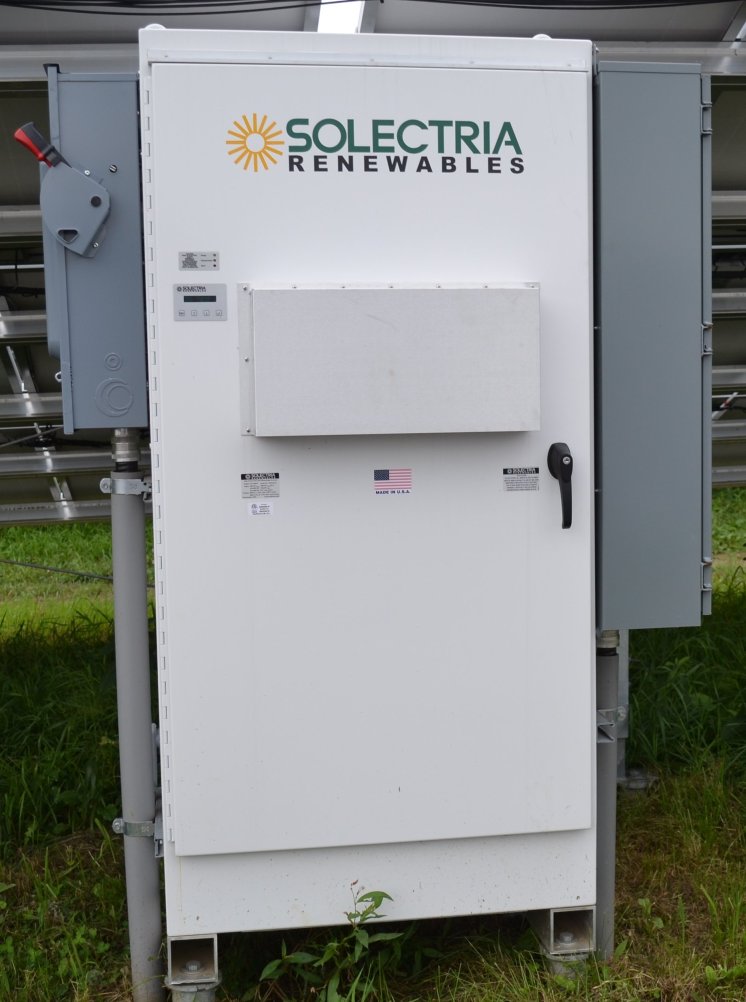
Reuters, via The Edge Malaysia, reported that the Trump administration is drafting a ban on imports of foreign inverters. Inverters convert power from solar projects and battery systems into grid-usable electricity. The reported rationale is that Chinese-made devices could create a security risk for the U.S. power system.
The report said the rule is being drafted by the FCC and could apply to new foreign inverter models. Reuters also reported that China is the world's largest inverter producer, led by Sungrow Power Supply and Huawei. The FCC and the White House declined to comment on the draft measure, according to the same report.
The stock reaction was immediate. Bloomberg's high-priority market feed reported at 03:04 UTC on July 1 that Sungrow plunged 20% on the potential U.S. ban. Stocktwits reported that Enphase Energy and SolarEdge were both up more than 10% in premarket trading after the Reuters story, while ENPH was among its top trending tickers.
Washington Examiner separately summarized the Reuters report and noted that the draft rule is tied to concerns about solar and battery inverters connected to the U.S. grid. That second report also said the administration's effort was revived after Europe moved in May to restrict Chinese inverters from publicly funded energy projects.
Why the Chinese inverter ban moved solar stocks
The market read is straightforward. If the U.S. restricts Chinese inverter models, Chinese suppliers lose access or face a slower approval path. U.S. and non-Chinese competitors may gain pricing power, better order visibility or more bargaining room with developers.
That is why the reaction split across the sector. Sungrow was hit because it is one of the Chinese companies directly tied to global inverter supply. Enphase and SolarEdge rose because traders see them as potential beneficiaries if foreign competition is limited. The move is policy-driven, so it can reprice quickly even before a final rule exists.
The timing also matters. Solar stocks have spent years trading around rates, tax-credit changes and installation demand. A grid-security rule adds a different variable. It asks traders to price national-security policy inside a clean-energy equipment market that was already sensitive to margins.
When we test policy-shock drills in ChartDojo scenario reviews, the cleaner setups usually come from separating the first reaction from the second-order effects. The first reaction here is the Sungrow drop and ENPH/SEDG bounce. The second-order question is whether U.S. developers face higher inverter costs if Chinese supply is limited.
Implications for the most impacted trader cohorts
Solar equity traders have the most direct read-through. ENPH and SEDG may keep drawing attention if the market treats the draft rule as protection from low-cost Chinese competition. The risk is that an early rally prices in a rule that may still be modified, delayed or shelved.
China equity traders should watch Sungrow and other renewable-equipment exporters. A 20% move is a hard reset in expectations, especially if investors start to treat inverters like telecom gear, drones or routers in the U.S.-China security debate.
Energy and infrastructure traders should care because inverters sit between solar assets, batteries and the grid. If policy raises compliance costs or limits approved suppliers, project economics can change. That could affect clean-energy developers, utility-scale storage plans and companies exposed to solar equipment procurement.
Index and futures traders should treat this as a sector shock rather than a broad-market shock for now. It matters for clean energy, China policy and selected tech-industrial names. It does not yet look large enough to reset S&P 500 or Nasdaq futures on its own.
For related ChartDojo context, see the recent AI stock rotation risk map and the Asia technology policy update. Both help frame how policy and supply-chain headlines can move single sectors before the broader index catches up.
Potential positives vs negatives from this catalyst
Potential positives:
- U.S. inverter makers and non-Chinese suppliers may benefit if buyers look for products with lower policy risk.
- Grid-security rules could create clearer procurement standards for utilities and project developers.
- A formal rule would give traders a defined policy path to track instead of a loose security concern.
Potential negatives:
- Solar developers could face higher equipment costs if cheaper Chinese supply is restricted.
- Sungrow, Huawei and other Chinese suppliers may remain under pressure if the policy path broadens.
- The draft rule could worsen U.S.-China clean-energy tension at a time when rare earths and grid hardware already sit inside trade-risk models.
What could happen from here
Base case: The market keeps treating this as a sector-specific policy shock. ENPH and SEDG stay in focus, while Sungrow remains under pressure until traders see whether the FCC draft becomes a formal proposal. Confirmation would be sustained volume in solar-equipment stocks and more details from regulators. The case weakens if officials downplay the report or the rule slips into a long review.
Upside case: U.S.-listed solar-equipment names extend the rally as investors price a durable competitive benefit. Confirmation would come from stronger analyst revisions, follow-through in ENPH and SEDG, and project developers shifting procurement language toward non-Chinese suppliers. This path is invalidated if higher project costs start to weigh on the broader solar group.
Downside case: The initial rally fades because traders decide the proposal is too uncertain or because developers warn about cost pressure. Confirmation would be ENPH and SEDG giving back most of the move, clean-energy ETFs lagging, or more China-linked retaliation headlines. The case weakens if the FCC provides a clear timeline and U.S. suppliers keep gaining relative strength.
What to watch next
- Any FCC notice, draft rule text or White House comment that confirms the timing and scope.
- Whether the rule applies broadly to foreign inverters or more narrowly to Chinese-linked models.
- Follow-through in Sungrow, Huawei-linked supply-chain names, ENPH, SEDG and clean-energy ETFs.
- Developer commentary on inverter procurement, pricing and project delays.
- Any response from China, especially if the issue is linked to rare earths, battery supply chains or broader grid hardware restrictions.
Sources
- Reuters via The Edge Malaysia: U.S. working on ban targeting Chinese energy inverters
- Bloomberg: Sungrow plunges 20% on potential U.S. ban
- Stocktwits: ENPH and SEDG surge after reported inverter-ban plan
- Washington Examiner: FCC seeks Chinese inverter ban over grid concerns
Header image source: Wikimedia Commons / SayCheeeeeese. CC0.

Build real skills, not bad habits. ChartDojo helps traders practice policy-driven stock and futures setups with AI-powered feedback, structured reviews and a clear free-trial path. Start here: https://chartdojo.io/register.