
TL;DR
Brent crude jumped about 10% in Sunday over-the-counter pricing as traders repriced disruption risk around the Strait of Hormuz, according to Reuters. The move matters beyond oil: index futures, volatility products, and high-beta risk assets are now exposed to gap risk into the next liquid session. This is a cross-asset geopolitical shock with energy as the primary transmission channel.
As of around 6:35 p.m. UTC on March 1, 2026, reporting remains fluid. Traders should separate confirmed developments from forward-looking assumptions.
For context on how these flash catalysts fit into broader trader preparation, see the latest market coverage on the ChartDojo blog.
What happened
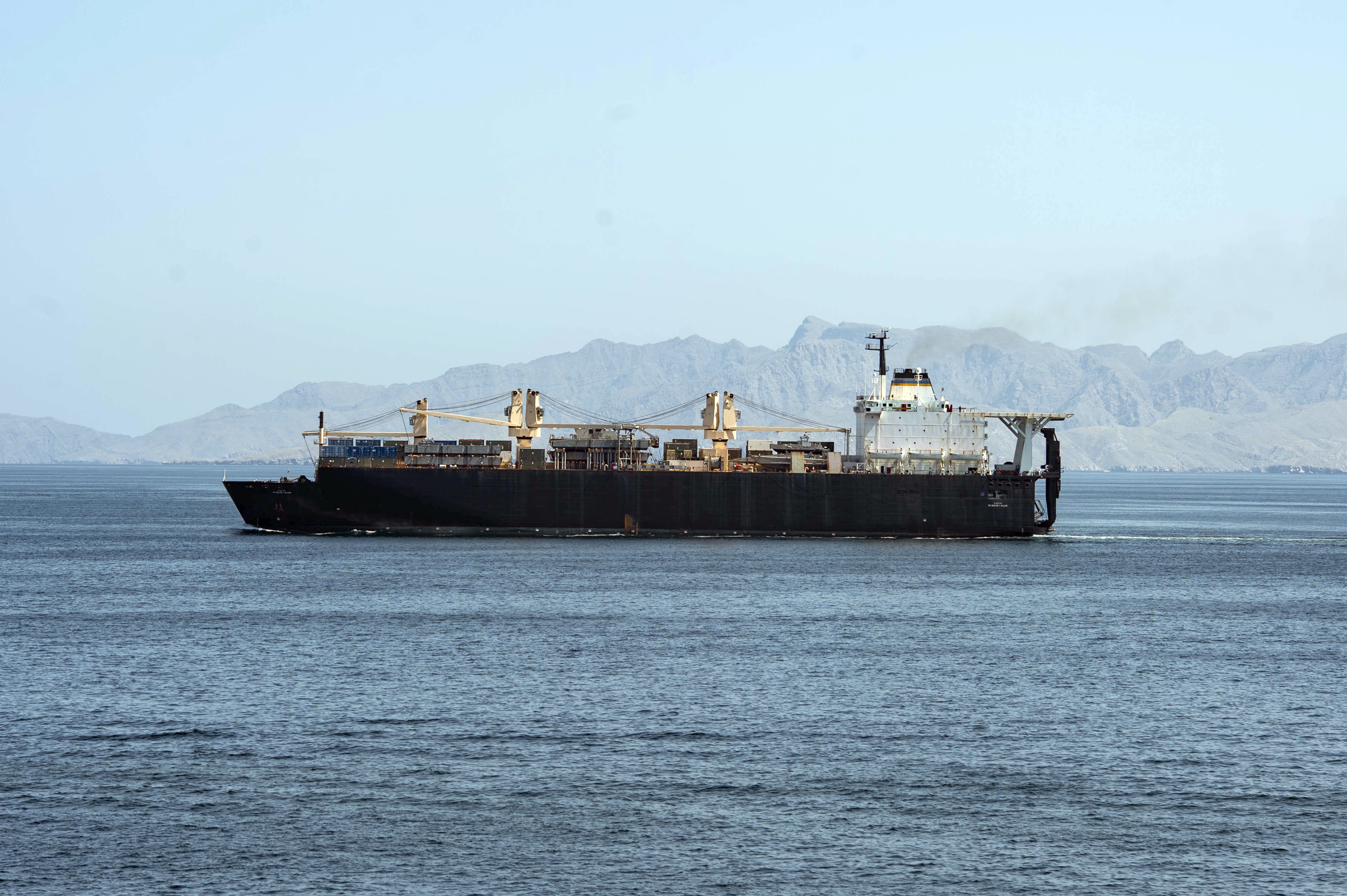
Over the last several hours, multiple reputable outlets reported a fast-moving escalation involving Iran and related regional security developments, with explicit market attention on tanker traffic and Strait of Hormuz risk.
- Reuters reported Brent crude jumping roughly 10% to around $80 in Sunday over-the-counter trading, with analysts discussing upside risk toward $100 under a sustained disruption path.
- BBC Business reported ship incidents near the Strait of Hormuz and highlighted immediate oil-price transmission risk.
- CNBC reported U.S. crude set for a sharp repricing when formal trading opens, citing fears of supply disruption.
- Bloomberg Markets reported regional spillover stress, including UAE decisions to close key stock exchanges for two days.
That clears a strict two-source confirmation bar for a market-moving catalyst. The highest-confidence impact is through energy and volatility, not through any single contested claim.
Why markets moved: Brent oil jumps on Iran escalation risk
The mechanism is direct. Escalation around a critical maritime chokepoint raises the probability of physical and logistical friction in global crude flows. Even before confirmed long-duration outages, markets price a risk premium.
That repricing can occur in phases: first in energy benchmarks, then in options-implied volatility, and finally in sector and factor rotation across equities and digital assets. This phase shift is why many traders focus less on a single opening print and more on whether risk premium persists after the first wave of liquidity normalizes.
For active traders, three layers matter:
- Flow risk premium: Brent and WTI price possible shipping disruption, insurance cost inflation, and rerouting delays.
- Macro pass-through: Higher energy can lift inflation expectations and complicate rate-path assumptions for duration-sensitive assets.
- Risk sentiment channel: Equities and crypto can de-risk as oil, volatility gauges, and safe-haven positioning move together.
Sequencing is important. Oil typically reprices first, then cross-asset positioning adjusts as liquidity and confirmation depth improve.
Implications for the most impacted trader cohorts
Futures and commodities traders
- Expect wider opening ranges in Brent and WTI.
- Watch front-month behavior and time spreads for signs of sustained supply concern versus one-off panic pricing.
- Track shipping and freight headlines for confirmation or invalidation of worst-case assumptions.
Stocks and index-futures traders
- Energy-linked equities may outperform on a relative basis if crude strength persists.
- Broad index futures can remain pressure-sensitive if oil strength is interpreted as a growth and margin headwind.
- Volatility-sensitive sectors and high-duration tech may see unstable intraday rotations.
Crypto traders
- Crypto has already shown strong headline sensitivity through sharp intraday swings in the same geopolitical cycle.
- If macro risk-off deepens, beta tokens can underperform while liquidity remains thin in transition hours.
- If de-escalation appears quickly, short-covering rallies can be abrupt after liquidation-heavy positioning.
Potential positives vs negatives
Potential positives
- Energy-focused strategies can benefit if the geopolitical premium remains embedded.
- Volatility traders may find cleaner opportunity sets if realized volatility stays elevated.
- Prepared multi-asset traders may benefit from stronger cross-asset dispersion.
Potential negatives
- Gap risk can punish leveraged positioning across futures, options, and crypto.
- A prolonged oil spike can tighten financial conditions and pressure broad risk assets.
- Headline-driven reversals can be violent if positioning becomes crowded.
What could happen from here (24-72h)
Base case: Elevated but tradable risk premium. Oil holds a higher range while equities and crypto remain headline-sensitive without full disorder.
- Confirm: continued friction headlines but no verified sustained core-route outage.
- Invalidate: clear de-escalation signals, normalization in shipping flow, and fast crude retracement.
Upside-risk case for oil, downside-risk case for broad risk assets: disruption narrative intensifies and crude adds a second leg higher.
- Confirm: additional verified incidents near transit routes, explicit rerouting, stronger official warnings.
- Invalidate: credible diplomatic de-escalation plus evidence of stable tanker throughput.
Downside-risk case for oil, relief case for broad risk assets: market overprices immediate disruption and mean-reverts.
- Confirm: weak follow-through in physical disruption indicators and front-month normalization.
- Invalidate: new verified incidents that raise sustained supply-shock probability.
What to watch next (next 24h)
- Brent and WTI opening behavior and whether gains hold in liquid hours.
- Official shipping/security updates near the Strait of Hormuz.
- S&P 500 and Nasdaq futures reaction as U.S. session liquidity builds.
- Volatility benchmarks and credit-spread tone for broad risk appetite.
- Bitcoin and Ether response to macro headlines versus idiosyncratic crypto flows.
FAQ
Is this mainly an oil story or a broader risk story?
It starts as an oil transmission event but can evolve into broader macro repricing if elevated energy costs persist.
What would reduce immediate market stress?
Verified de-escalation and evidence that shipping flows through key routes remain functional.
Sources
- Reuters: Oil jumps on Iran conflict and analysts outline further upside risk
- Reuters: Oil market crisis framing and supply-risk context
- CNBC: U.S. crude repricing on disruption fears
- BBC Business: Ship incidents near the Strait of Hormuz and oil implications
- Bloomberg: Regional market fallout and UAE market closures
Build real skills, not bad habits. ChartDojo gives traders AI-powered feedback on execution, risk discipline, and decision quality. Start your free trial: https://chartdojo.io/register.