
TL;DR
US forces struck Iranian missile launchers and mine-laying boats near Bandar Abbas in southern Iran early Tuesday. Brent crude reversed most of Monday's 5% peace-deal drop and is trading around $95 per barrel, up roughly 2% on the day. US stock index futures remain positive ahead of the first cash session after the Memorial Day holiday, with S&P 500 futures up about 0.65% and Nasdaq-100 futures up near 0.87%. President Trump described the military action as a "love tap" and said the ceasefire remains in effect. Secretary of State Rubio added that the Strait of Hormuz will reopen. Markets are sending two different signals at once -- and traders returning from the long weekend need to know which one to trust.
What Happened
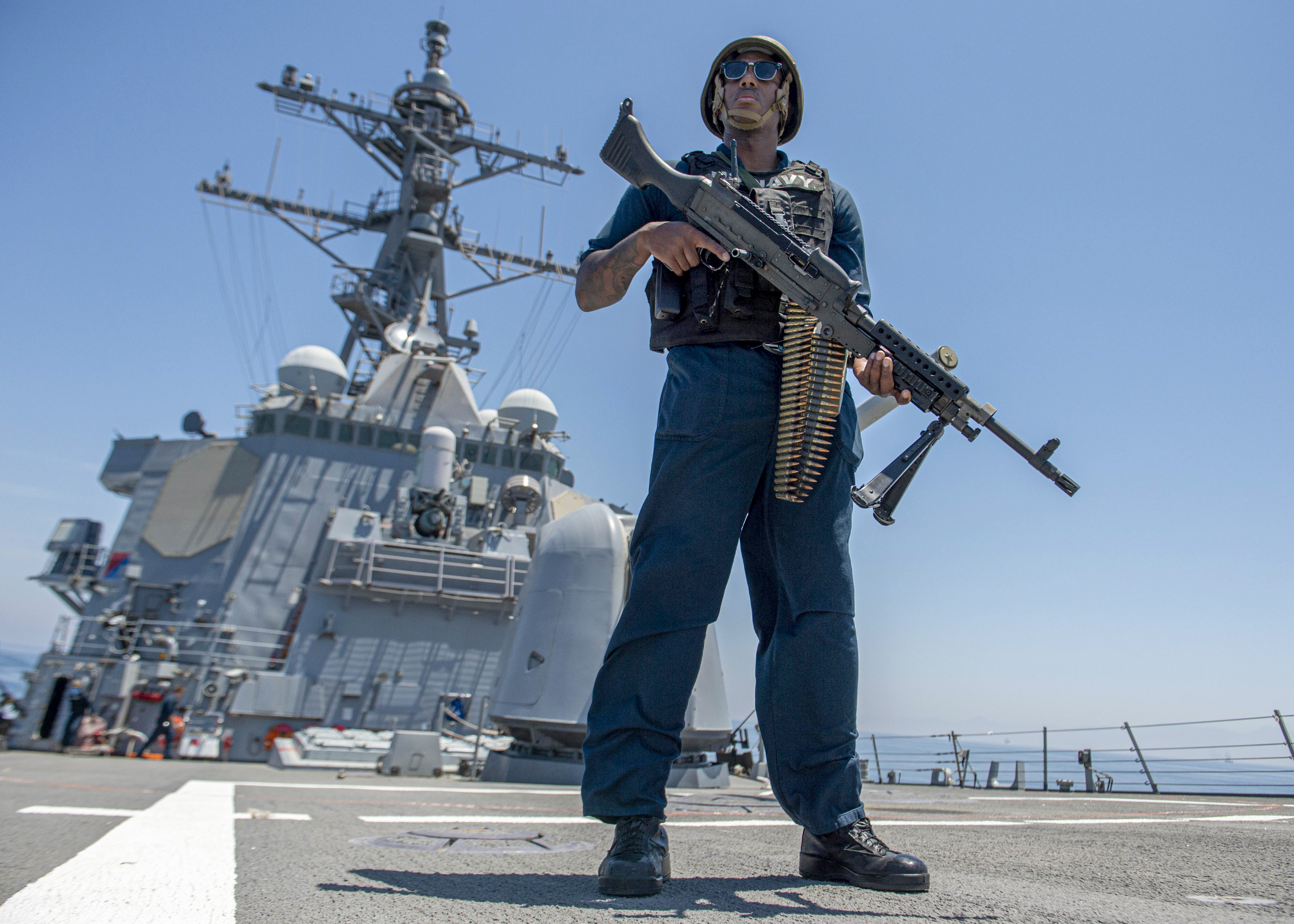
Shortly before Tuesday's European session opened, US Central Command (CENTCOM) announced that American forces had carried out "self-defense strikes" in southern Iran. CENTCOM spokesperson Capt. Tim Hawkins said the action was taken "to protect our troops from threats posed by Iranian forces," citing Iranian missiles, drones, and small boats targeting US Navy destroyers transiting the strait.
The specific targets were missile launch sites near Bandar Abbas and an Iranian vessel caught laying mines in the Strait of Hormuz. The strikes mark the second US military action in Iran in roughly 24 hours, following earlier overnight engagement covered in our Hormuz mine-layer risk note.
Trump addressed reporters from the White House, characterizing the exchange as minimal in scope while maintaining that the ceasefire framework negotiated in April remains active. Rubio reinforced the diplomatic messaging, telling reporters that a deal on Hormuz access is still being worked on and that the strait will reopen.
Iran's response was sharper. Supreme Leader Khamenei issued a warning that Gulf states hosting US military bases should no longer consider those bases a guarantee of protection -- a threat tracked in detail in our earlier Gulf bases risk note from this morning.
Why Markets Moved on Iran Strikes and Brent Oil Today
The fresh strikes unwound most of Monday's oil sell-off. On Monday, with US markets closed for Memorial Day, Brent crude fell nearly $5 per barrel as diplomatic optimism built around a potential US-Iran framework deal. By Tuesday morning, Brent had recovered roughly $2 of that drop, trading near $95 per barrel.
WTI crude (West Texas Intermediate) behaved differently, sliding closer to $91 per barrel. The Brent-WTI gap reflects two separate forces: Brent's exposure to physical Hormuz shipping risk versus WTI's sensitivity to domestic US inventory data and demand signals. In our tracking of the oil-equity correlation across six weeks of the Hormuz closure, this split has repeatedly widened whenever a fresh military exchange hits the wires -- and tightened when diplomacy dominates the headlines.
Equity index futures, which continued trading through the US holiday, barely moved on the strikes. S&P 500 futures held near 0.65% gains, Nasdaq-100 futures stayed around 0.87% higher, and Dow futures pointed to an open roughly 320 points in the green. The equity market is weighting Trump's "love tap" framing and Rubio's diplomatic signals more heavily than the fresh military exchange -- at least for now.
The International Energy Agency has described the Hormuz disruption as the largest supply disruption in global oil market history. Yet global equities have repeatedly absorbed each escalation as long as a diplomatic path remained visible. Tuesday is a test of whether that pattern holds when US cash traders step back in after a long weekend.
Implications for Traders
Energy and commodities traders face the central question: is $95 Brent a ceiling -- the market pricing in eventual deal resolution -- or a floor -- the market underestimating sustained conflict risk? UBS flagged this week that land-based crude and refined product inventories remain "strongly undersupplied" even as tanker-stored oil has risen due to rerouted cargo. That fundamental tightness supports prices even in a de-escalation scenario.
Equity traders returning to US cash markets after Memorial Day will immediately face the divergence question. Energy sector stocks (XLE, integrated oil majors, tanker operators), defense names, and aerospace companies are directly exposed. Any sustained move above $98 Brent could shift the Fed's inflation calculus and pressure rate-sensitive growth stocks that have been among this rally's biggest winners.
Crypto traders should note that Bitcoin has been tracking geopolitical risk closely throughout this conflict. The liquidation wave triggered earlier this morning showed how quickly risk-off sentiment can flush leveraged crypto positions when a fresh Iran headline drops unexpectedly.
Potential Positives vs Negatives
Positives:
- Trump and Rubio are both signaling the ceasefire framework is intact and a Hormuz deal is still being negotiated. Any confirmed agreement would send Brent sharply lower and remove a significant macro headwind for equities.
- The military exchange appears limited and targeted. Airstrikes against missile launchers and a single mine-laying vessel are far narrower in scope than a sustained bombing campaign, reducing tail risk of full regional war.
- Global equity markets have shown resilience throughout the Hormuz disruption, suggesting institutional confidence in the diplomatic track.
Negatives:
- Iran's retaliation threat is not symbolic. Khamenei warning Gulf states removes any assumption that the conflict stays contained to the Hormuz corridor.
- The Hormuz strait remains closed. Each additional day of closure compounds supply disruption and raises the economic cost of a prolonged standoff for both sides.
- Trump's "love tap" framing could be misread by Tehran as permission to continue provocations. If Iran interprets restraint as weakness, the next exchange may be less limited in scope.
What Could Happen From Here
Base case: The ceasefire holds in form even as both sides exchange limited strikes. Rubio's diplomacy produces a framework deal within 7-10 days. Hormuz begins reopening, Brent pulls back toward the $85-88 range, and US equities continue their gradual recovery. Confirmed by: a Rubio or Trump announcement of a signed deal framework and Brent falling back below $90. Invalidated by: a major Iranian retaliation against US forces or Gulf infrastructure in the next 48 hours.
Upside case: A full Hormuz deal is announced within the next 24-72 hours. Brent crude falls 8-12% on the news, removing a key inflation risk, and US equities rally broadly. Rate-sensitive tech and consumer names, which have lagged during the conflict period, would likely lead any such relief rally. Confirmed by: an official joint statement from US and Iranian negotiators and tanker traffic resuming through the strait. Invalidated by: any fresh Iranian attack on US assets or deal talks breaking down publicly.
Downside case: Iran carries out a meaningful retaliation against US forces or Gulf infrastructure in the next 24-48 hours. The ceasefire collapses publicly, Hormuz closure becomes entrenched, and Brent surges above $105. US equities face a sharp repricing as energy inflation returns as a primary Fed constraint. Confirmed by: CENTCOM announcing a second defensive action against a major Iranian strike and Brent closing above $100 on a sustained basis. Invalidated by: Iran staying quiet and Rubio announcing deal progress.
What to Watch Next (Next 24 Hours)
- Any CENTCOM or Pentagon statement on Iranian retaliation activity in or near the Strait of Hormuz.
- Trump or Rubio press briefings confirming or denying active deal progress toward Hormuz reopening.
- Brent crude behavior at and after the New York open (9:30 AM ET) -- specifically whether it holds above or breaks back below $95.
- Energy sector performance in the first hour of US trading: XLE, CVX, HAL, SLB, and tanker stocks are the primary leading indicators.
- Any formal Iranian government statement setting a retaliation timeline or conditions.
- UN Security Council emergency session requests, which would signal escalation beyond bilateral conflict management.
FAQ
Did the US-Iran ceasefire collapse after Tuesday's strikes?
Not officially. Trump called the exchange a "love tap" and said the ceasefire remains in effect. Rubio added that diplomacy is ongoing and the Hormuz strait will reopen. Both sides appear to be treating the military exchange as contained, though Iran's retaliation vow and Khamenei's Gulf warning create real uncertainty about whether that posture holds.
Why is Brent crude rising while US stock futures are also in the green?
The two markets are pricing different scenarios. Oil traders are focused on the continued Hormuz closure and the physical supply disruption risk. Equity investors are weighting the diplomatic signals from Trump and Rubio, betting that a deal remains achievable in the near term. The divergence will likely resolve at the Tuesday cash open when US traders commit real capital for the first time after the long weekend.
Practicing your reaction to these fast-moving macro shocks in a low-stakes environment is exactly what ChartDojo is built for. Build real skills, not bad habits -- try ChartDojo's AI-powered feedback free and see how your decision-making holds up when the headlines are moving fast.
Sources
- Reuters: "Brent gains 2% as US military strikes on Iran add to peace deal uncertainty"
- CNBC: "U.S. conducts 'self-defense strikes' in Iran as Trump pushes for peace deal"
- Washington Post: "U.S. renews strikes on Iran, citing threats posed to American troops"
- ABC News: Iran live updates, CENTCOM spokesperson statement
- CNBC: "Dow futures jump over 300 points" -- US equity futures live updates
Header image source: pexels by Luca Sammarco. License: PEXELS.