

TL;DR
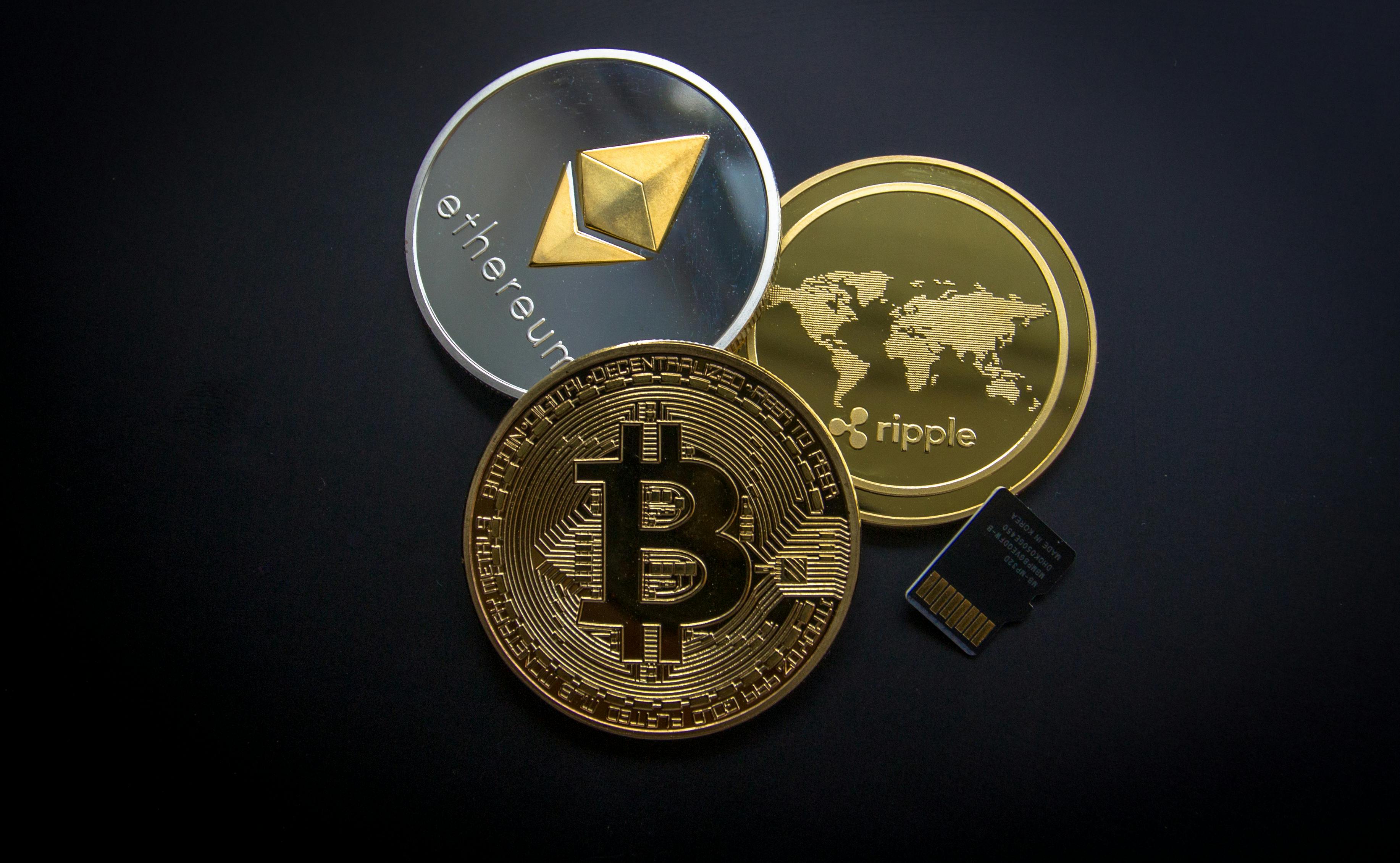
Bitcoin broke below $80,000 on May 13, touching a session low of $79,557, after April Producer Price Index data came in far above expectations and the U.S. Senate confirmed Kevin Warsh as the new Federal Reserve Chair. The combined pressure of a 6% annual PPI reading and a hawkish central bank handover revived rate hike fears across markets. Spot Bitcoin ETFs recorded $233.2 million in net outflows, ending a brief inflow streak. BTC is now fighting to reclaim $80,000 as traders reassess the rate path under the new Fed leadership.
Bitcoin Falls Below $80K on Dual Macro Shock
Bitcoin was trading near $81,000 in early Wednesday trade when the U.S. Bureau of Labor Statistics released the April Producer Price Index report. The data showed producer inflation at 6.0% year-over-year, well above the 4.9% consensus estimate and sharply higher than March's 4.3% reading. The monthly figure was equally striking: final demand PPI rose 1.4%, compared to a 0.5% consensus forecast and a prior reading of 0.7%.
BTC slipped quickly from the low $81,000 area to $79,706, with the session low printed near $79,557, according to CryptoSlate price data. That move placed $80,000 in a new role: from a level traders had defended through the week into a short-term resistance zone that will need to be reclaimed before any recovery has structural credibility.
The cross-asset response was uniform. SPY fell from above $740 toward the $735 area, the 10-year Treasury yield rose to approximately 4.471%, the 30-year reached around 5.034%, and the U.S. Dollar Index held near 98.49. WTI crude traded around $102.15, adding energy-driven inflation pressure on top of the PPI print.
PPI Shock: What the Numbers Mean for Crypto
The Producer Price Index measures the average change in selling prices received by domestic producers, making it an early-cycle indicator for consumer inflation to come. A monthly gain of 1.4% against a 0.5% consensus was among the largest upside surprises of this rate cycle. Core PPI, which strips out food and energy costs, rose 1.0% month-over-month against an expected 0.3%, lifting the annual core reading to 5.2% from 4.0%.
The prior session's Consumer Price Index report had also surprised to the upside, reinforcing a pattern of persistent inflation across both the producer and consumer level. Together, the two datasets undercut the market's working assumption that the Federal Reserve was done raising rates.
Bitcoin has become increasingly correlated with macro liquidity conditions. When rate hike expectations rise, investors tend to move away from assets that generate no yield. With risk-free rates on U.S. Treasuries still elevated, the opportunity cost of holding BTC is meaningful, and the PPI data sharpened that calculation on Wednesday.
Technical structure amplified the move. Bitcoin had repeatedly failed to break cleanly above $82,000 earlier in the week, a level that also aligns closely with the 200-day moving average. That pattern of failed breakouts left the chart technically fragile before the PPI release, with sell stops clustered just below $80,000.
Warsh Confirmed as Fed Chair: A Hawkish Handover
On Wednesday afternoon, the U.S. Senate voted to confirm Kevin Warsh as the new Federal Reserve Chair, succeeding Jerome Powell. Warsh, a former Fed governor who served from 2006 to 2011, is widely regarded as a monetary policy hawk. During the 2010-2011 cycle, he argued for earlier rate increases than the Fed's consensus position, and he has consistently prioritized inflation control over growth accommodation.
For crypto traders, the Warsh confirmation compounds the PPI surprise. A Fed chair known for inflation discipline, stepping into the role when producer prices are running at 6% year-over-year, materially changes the probability distribution around future rate decisions. Markets had broadly expected the Fed to remain on hold or pivot toward cuts by late 2026; that base case now requires a reassessment.
The dual catalyst of hot PPI and a hawkish Fed leadership transition created a fast-moving repricing environment on Wednesday. That context also shaped broader market action, where the S&P 500 closed at a new record high driven almost entirely by AI chip stocks while rate-sensitive assets, including Bitcoin, sold off sharply. Earlier this year, ahead of the Warsh confirmation hearing, ChartDojo outlined the key Bitcoin scenarios heading into the Fed transition, several of which are now playing out.
ETF Outflows Signal Institutional Caution
Spot Bitcoin ETF products recorded net outflows of $233.2 million on Tuesday, according to SoSoValue data cited across multiple crypto outlets. The reversal came after just one day of positive inflows, ending what had been a tentative recovery in institutional demand.
ETF flows are a useful proxy for institutional sentiment because they reflect deliberate buy or sell decisions by fund holders rather than short-term spot market speculation. Returning outflows alongside rising Treasury yields suggests institutional managers are reducing Bitcoin exposure as risk-free alternatives become more competitive.
Potential Positives vs Negatives
Positives for Bitcoin:
- If the PPI spike proves temporary, driven primarily by Iran-related oil supply disruptions rather than broad demand pressure, the inflation picture could normalize by June, reducing the immediate threat of a Warsh rate hike.
- Bitcoin's washout below $80,000 could flush leveraged long positions from the market, creating a cleaner technical base for the next recovery attempt.
- Warsh has spoken positively about Bitcoin in informal settings, and his appointment may eventually bring clearer regulatory frameworks to the sector.
- The CLARITY Act, currently under Senate markup with over 100 amendments under review, could provide a near-term positive regulatory catalyst for crypto markets regardless of rate direction.
Negatives for Bitcoin:
- PPI at 6.0% year-over-year with Core PPI at 5.2% leaves very little room for the Fed to ease. A rate hike at a summer FOMC meeting, once dismissed as unlikely, is now being discussed among traders.
- ETF outflows reversing after a single day of inflows signals that institutional confidence remains shallow and easily disrupted by macro data.
- WTI crude above $102 sustains energy-driven inflation pressure, limiting prospects for a benign PPI revision in the near term.
- Bitcoin's repeated failure to break above $82,000 this week leaves the technical structure tilted toward sellers on any bounce into that zone.
What Could Happen from Here
Base case: Bitcoin consolidates in the $79,000 to $82,000 range over the next 24-48 hours as markets digest the dual shock. If crude stabilizes and Treasury yields pull back from session highs, BTC could reclaim $80,000 without requiring a major fundamental shift. ETF flows turning positive for at least three consecutive sessions would help confirm demand recovery. Confirm with daily closes above $80,500. Invalidated if BTC closes below $78,500.
Upside case: A clear reclaim of $81,500 with rising ETF inflows and a pullback in yields would signal that the PPI shock has been absorbed. Warsh's confirmation could be re-priced as regime certainty, removing the headline uncertainty overhang. Confirm with daily closes above $82,000. Target: retest of the $84,000 to $85,000 resistance band within 5-7 days.
Downside case: If BTC fails to recover $80,000 and ETF outflows continue through Thursday, selling pressure may extend toward the $77,000 to $78,000 zone where deeper liquidity sits. A second consecutive strong inflation reading, with PCE data expected later in May, would validate the worst-case macro path. Invalidated by a reclaim of $81,000 on above-average volume.
What Traders Should Watch Next (24 Hours)
- Bitcoin price reclaim or rejection of $80,000 in early Thursday trade
- Daily Bitcoin ETF flow data from SoSoValue (Wednesday reading due Thursday morning)
- Federal Reserve communication: any early public remarks from incoming Chair Warsh on the inflation outlook
- 10-year Treasury yield direction (sustained trade above 4.5% increases crypto headwind)
- WTI crude: continued trade above $102 keeps energy inflation concerns elevated
- CLARITY Act markup progress in the Senate (potential positive regulatory catalyst for crypto sentiment)
- BTC funding rates on major derivatives venues (elevated positive funding signals residual leveraged long exposure still in the market)
FAQ
What is PPI and why does it matter for Bitcoin?
PPI stands for Producer Price Index, which measures price changes from the perspective of the producer rather than the consumer. When producer prices rise sharply, those cost increases often pass through to consumers over time, which can pressure the Federal Reserve to raise interest rates. Higher rates reduce demand for non-yielding assets like Bitcoin because investors can earn competitive returns from government bonds instead.
Who is Kevin Warsh and why does his appointment affect crypto?
Kevin Warsh is a former Federal Reserve governor confirmed as Fed Chair by the U.S. Senate on May 13, 2026. He is widely regarded as hawkish on monetary policy, meaning he tends to favor higher interest rates to contain inflation. His appointment, combined with today's 6% PPI reading, increases the probability that the Fed will keep rates elevated or raise them further, which is typically bearish for speculative risk assets including Bitcoin.
Sources
- U.S. Bureau of Labor Statistics, Producer Price Index (April 2026)
- CryptoSlate: Bitcoin price just lost $80K because US PPI hit 6% matching 2022 levels (May 13, 2026)
- The Block: Senate votes to confirm Kevin Warsh as Federal Reserve Chair (May 13, 2026)
Bitcoin's behavior around high-impact macro events like today's Fed leadership confirmation and inflation data highlights why real-time education matters as much as market access. ChartDojo's AI-powered feedback helps traders build real skills, not bad habits, by analyzing your decisions against live market conditions. Start your free trial at chartdojo.io/register.
Header image source: pexels by David McBee. License: PEXELS.